
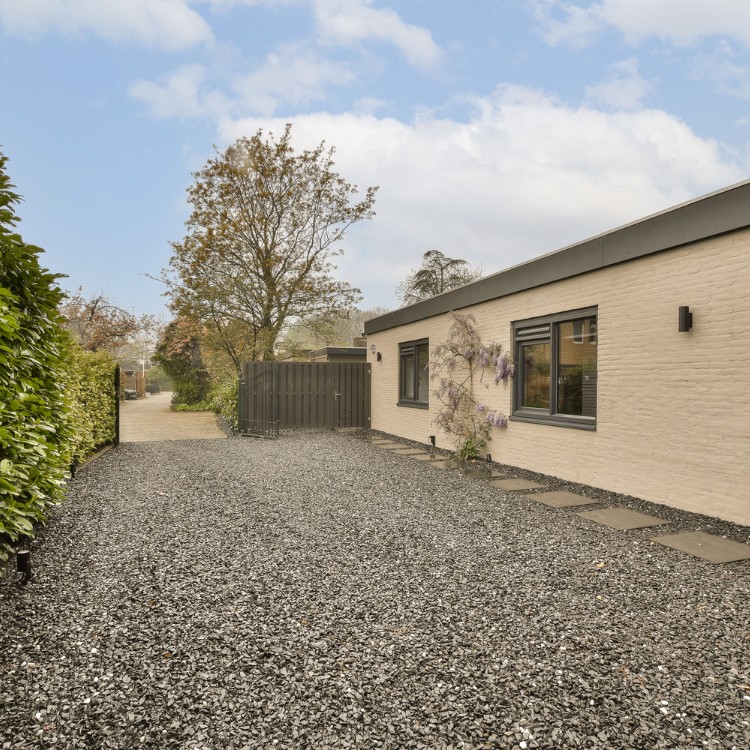
People tend to think of gravel driveways as the “cheap and temporary” option, something you install when you can’t afford concrete or asphalt. That assumption is one of the biggest reasons homeowners overlook what a properly engineered gravel driveway can actually do for their property. When gravel is just dumped and spread loosely, it does look and feel like a shortcut. But when the base, grading, drainage, and material selection are handled correctly, a gravel driveway becomes a durable, attractive, and highly practical long-term solution.
In a place like McKinney, TX, where soil moves, heavy rains can arrive fast, and summer heat is relentless, a well-constructed gravel driveway has distinct advantages that many people don’t discover until they start comparing real-world performance. The right gravel system can flex with the soil, shed water efficiently, and provide reliable access for vehicles without constant potholes and ruts. Companies like TopCore Concrete understand that quality gravel work isn’t just about dropping rock; it’s about building a layered structure that supports your vehicles, manages stormwater, and enhances your curb appeal for years.
So instead of seeing gravel as a compromise, it’s worth looking at what happens when it’s done correctly. With a thoughtfully designed gravel driveway, you gain a resilient surface that can be repaired in sections, adjusted over time, and customized to match the character of your home. In many situations around McKinney, a well-built gravel driveway is not just “good enough” – it’s actually the smartest, most cost-effective choice.
Lasting Strength And Durability
The first major benefit of a well-constructed gravel driveway is its structural strength. When people see gravel, they often picture loose stones shifting under their tires, but that’s usually the result of skipping the critical foundation layers. A professional installation begins with proper excavation, removal of soft topsoil, and compaction of the subgrade. TopCore Concrete, for example, will assess the native soils in McKinney and surrounding areas to determine how deep the base should go and what type of aggregate will best support the load of vehicles.
On top of the compacted subgrade, a graded base layer of larger aggregate is installed and compacted again. This base is what gives the driveway its strength; the surface gravel is more about traction and appearance. When the base layer is engineered correctly, it spreads the weight of vehicles, prevents deep ruts, and reduces the formation of potholes. Over time, the interlocking nature of the gravel particles, especially angular crushed stone, creates a stable, load-bearing surface that performs much better than most people expect.
Durability also shows up in how the driveway handles the seasonal changes common in North Texas. Expansive clay soils can swell when wet and shrink during dry spells, causing rigid pavements like poorly installed concrete or asphalt to crack and heave. A well-constructed gravel driveway, by contrast, has some built-in flexibility. The layers can move slightly with the soil without catastrophic failure, so you avoid the large cracks and broken slabs that can plague other surfaces. With routine maintenance, a quality gravel driveway can last decades while remaining functional and safe.
Another aspect of durability is how easy it is to repair localized damage. If a heavy truck creates a depression or if a small area gets washed out during a storm, you don’t have to tear out an entire slab. You can regrade, compact, and add new gravel where needed. This spot-fix approach is a major advantage in McKinney neighborhoods where construction traffic, delivery trucks, or trailers frequently use residential driveways.
Cost Efficiency Over Time
When homeowners in McKinney compare driveway options, upfront cost is often the first factor they consider, and gravel almost always comes out ahead. The materials are less expensive than concrete or asphalt, and the labor required for installation is typically lower as well. For long or winding driveways on larger lots, the savings can be substantial. This makes a well-constructed gravel driveway an attractive solution for properties set back from the road or for acreage homes where paving hundreds of feet with concrete would be cost-prohibitive.
However, the true financial advantage of gravel shows up when you look at long-term costs. Concrete and asphalt can be expensive to repair, and when they fail, they tend to fail in larger sections. Resurfacing, crack repair, and eventual replacement carry significant price tags. With gravel, maintenance is usually incremental and budget-friendly. Adding a new top layer every few years, touching up low spots, and occasionally re-compacting the surface are relatively minor expenses compared to full-depth replacement of a rigid pavement.
Because TopCore Concrete understands both concrete and gravel systems, the team can help McKinney homeowners evaluate life-cycle costs rather than just initial price. In many cases, especially for lightly trafficked residential driveways or rural properties, gravel provides the best value over a 15- to 20-year period. The ability to gradually improve, widen, or reshape the driveway without starting from scratch also adds financial flexibility that rigid pavements don’t offer.
It’s also worth considering the indirect cost savings. A well-drained gravel driveway that doesn’t hold standing water can help protect nearby landscaping and foundations by directing runoff away from structures. Staying ahead of erosion and water damage can prevent costly repairs to your yard or home. In that sense, investing in a properly engineered gravel system is not just about the driveway itself but about protecting the rest of your property.
Superior Drainage And Stormwater Control
McKinney’s weather can switch from dry to downpour in a single afternoon, and driveways that don’t handle water well quickly reveal their weaknesses. One of the strongest benefits of a well-constructed gravel driveway is its ability to manage stormwater naturally. Instead of water pooling on the surface as it often does on flat concrete or asphalt, properly graded gravel allows rain to infiltrate through the upper layers and disperse more gradually into the ground.
This permeability significantly reduces the risk of standing water, which can become a breeding ground for mosquitoes, soften the subgrade, and accelerate deterioration in other driveway materials. When TopCore Concrete designs a gravel driveway, attention is paid not only to the surface slope but also to how water will move through and around the driveway. Strategic crowning of the driveway, side ditches or swales, and the right choice of aggregate sizes all contribute to effective drainage.
By allowing water to filter through instead of immediately shedding it into the street, a well-built gravel driveway can also help reduce the load on storm sewer systems during heavy rains. This is particularly important in growing communities like McKinney, where more hard surfaces mean more runoff. Gravel driveways act as a kind of buffer, slowing the flow and helping water soak into the soil where possible. For environmentally conscious homeowners, this stormwater benefit can be a meaningful part of the decision to choose gravel.
Of course, good drainage doesn’t happen by accident. If gravel is simply spread over low-lying, poorly graded ground, you can end up with a muddy mess. That is why professional site preparation is critical. Proper excavation, shaping of the subgrade, and installation of a compacted base layer create channels for water to move away instead of sitting under the driveway. When all these elements are in place, the result is a surface that stays usable even after intense North Texas storms.
Versatile Style And Curb Appeal
Another misconception is that gravel driveways automatically look rustic or unfinished. In reality, modern gravel options offer a wide range of colors, textures, and stone sizes that can complement everything from a farmhouse-style property to a contemporary home in a McKinney subdivision. The visual appeal of a gravel driveway comes from thoughtful material selection and clean, defined edges, not just the fact that it’s made of stone.
TopCore Concrete can help homeowners choose aggregates that harmonize with their brick, siding, or landscaping. Lighter gravels can brighten shaded lots and create a coastal or modern feel, while darker crushed stone can give a driveway a more formal, polished appearance. The contrast between the gravel and well-defined borders, such as concrete curbs, pavers, or steel edging, can turn a simple driveway into a deliberate design feature that frames the front of your home.
Gravel also offers flexibility that rigid surfaces cannot match. If you decide to expand parking areas, add a turnaround, or shift the driveway alignment to improve traffic flow, gravel can be reworked and extended with far less disruption than tearing out concrete. This adaptability is especially valuable in growing areas around McKinney where homeowners may add RV parking, trailers, or additional vehicles over time.
For those who enjoy personalizing their property, gravel can be integrated with planting beds, stone walkways, or decorative borders to create a cohesive front-yard design. When done skillfully, a gravel driveway doesn’t look like a budget compromise; it looks like an intentional part of the overall landscape, enhancing curb appeal and potentially adding perceived value when it’s time to sell.
Low Maintenance And Easy Upkeep
Every driveway material requires some care, but one of the quiet advantages of a well-constructed gravel driveway is how straightforward that care can be. Instead of worrying about sealing, resurfacing, or major crack repairs, most gravel maintenance revolves around simple tasks like regrading and occasional top-ups. When the base has been installed correctly and the surface is made of quality, angular aggregate, the driveway tends to hold its shape much better than people expect.
Over time, traffic and weather will naturally shift some of the surface gravel. Having a professional like TopCore Concrete periodically regrade the driveway with the right equipment can restore the crown, smooth out minor ruts, and keep water flowing where it should. For many homeowners, this can be done every few years, depending on traffic levels and weather conditions. The process is relatively quick and does not require shutting down the driveway for long curing times as concrete repairs would.
Weed control is another concern people raise with gravel, but it is manageable with proper installation and simple maintenance. A compacted base layer, optional geotextile fabric, and sufficient gravel depth all reduce the likelihood of weeds gaining a foothold from below. Any growth that appears is typically from windblown seeds and can be handled with spot-treating or occasional manual removal. Compared to cracking asphalt joints or concrete expansion joints, gravel does not give weeds as many built-in paths to follow.
Cleaning is also relatively easy. Leaves and debris can be blown or raked off, and minor oil drips are far less noticeable than on light-colored concrete. If a section becomes contaminated with significant oil or chemical spills, that area of gravel can be removed and replaced without affecting the rest of the driveway. This modular nature of gravel makes it particularly practical for homeowners who use their driveways as workspaces for vehicles, trailers, or outdoor projects.
Performance In McKinney’s Climate
North Texas presents a unique combination of climate factors: hot summers, occasional freezes in winter, sudden storms, and clay-rich soils that move with moisture changes. A well-constructed gravel driveway is especially well-suited to this environment. Unlike rigid pavements that can crack under thermal expansion or soil movement, a layered gravel system is designed to accommodate small shifts without losing overall functionality.
During heavy rains, the drainage characteristics of a quality gravel driveway help prevent the formation of slick surfaces and ponding. Even when water is present, the rough texture of angular gravel provides traction for vehicle tires, which can be an advantage compared to smooth, algae-prone concrete surfaces. In freeze-thaw cycles, any expansion that does occur is less likely to cause visible damage because the aggregate layers can relieve stress more gracefully than a solid slab.
Heat is another factor to consider. Dark asphalt can become extremely hot under the Texas sun, radiating heat back toward the house and making nearby outdoor areas uncomfortable. Gravel, especially lighter-colored varieties, tends to reflect more sunlight and retain less heat, contributing to a slightly cooler microclimate around the driveway. This might seem like a small detail, but it can make a difference for front-yard usability and plant health.
Because TopCore Concrete works specifically in and around McKinney, the team understands how local weather patterns and soil types interact. That local expertise matters when choosing the right base depth, aggregate gradation, and driveway layout. A Gravel Driveway that performs well in another region might fail quickly if those details are not adapted to North Texas conditions. When designed for the local climate, a gravel driveway becomes a reliable asset that handles McKinney’s challenging weather with ease.
Frequently Asked Questions
How long does a well-constructed gravel driveway last? With proper design, quality materials, and routine maintenance, a gravel driveway in McKinney can serve reliably for 20 years or more. The key is building a solid base and maintaining the surface with periodic regrading and top-up gravel as needed. Unlike concrete or asphalt, which may require full replacement when they fail, a gravel driveway can be renewed in stages, extending its functional life significantly.
Will my gravel driveway wash away in heavy rain? When a driveway is properly engineered with correct grading, a compacted base, and suitable aggregate sizes, it should not wash away under normal North Texas storms. The surface may experience minor displacement in extreme events, but this is typically addressed with simple regrading and the addition of fresh gravel. The problems people associate with washouts usually stem from poor installation, lack of drainage planning, or insufficient base depth, all of which TopCore Concrete takes into account during construction.
Is gravel really more cost-effective than concrete in the long run? For many residential and rural properties, yes. The initial installation cost of gravel is generally much lower than concrete, and long-term upkeep tends to involve smaller, more manageable expenses. While you may need to refresh the top layer every few years, you avoid the large, infrequent costs associated with slab replacement or major concrete repairs. When you factor in flexibility, ease of expansion, and lower repair costs, gravel often comes out ahead over the full life of the driveway.
Will a gravel driveway hurt my home’s curb appeal? A poorly installed gravel driveway can look messy, but a well-designed one can actually enhance your property’s appearance. By choosing the right gravel color, stone size, and edging, you can create a clean, intentional look that complements your home and landscaping. Many McKinney homeowners appreciate the natural, upscale feel of a carefully constructed gravel drive, and real estate agents often note that a neat, well-maintained driveway creates a strong first impression for buyers.
How do I know if gravel is the right choice for my McKinney property? The best way to decide is to look at how you use your driveway, consider the length and layout, and evaluate your budget and long-term plans. If you have a longer drive, need room for trailers or extra vehicles, or want a surface that can be easily modified over time, gravel is often an excellent fit. Consulting with a local contractor like TopCore Concrete, who understands McKinney’s soils and climate, will give you a clear sense of what a well-constructed gravel driveway can offer your specific property.