
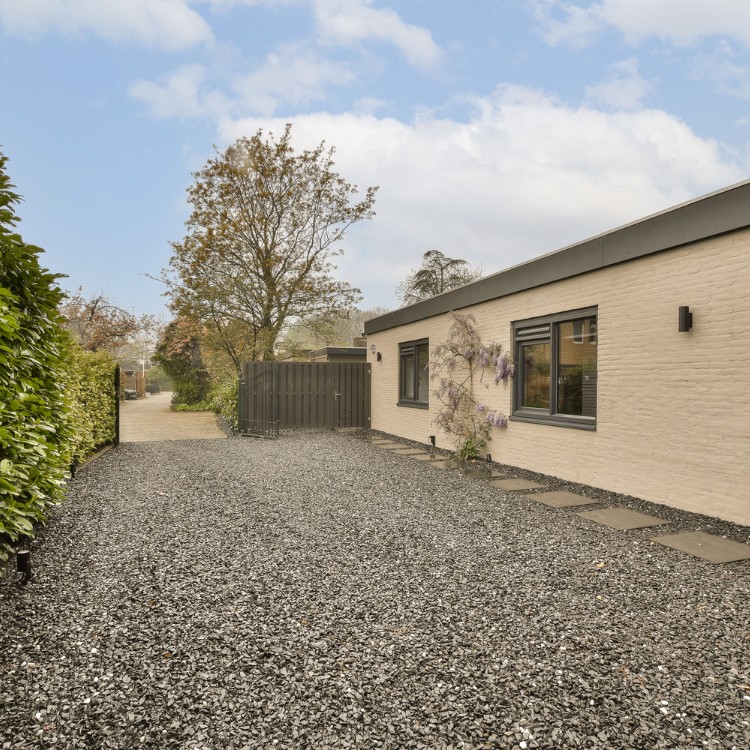
Across Collin County, more homeowners and rural property owners are rethinking how they handle driveways. Rising construction costs, heavier vehicles, delivery trucks stopping daily, and the brutal Texas sun all put serious stress on any surface that leads to your garage or shop. A gravel driveway can seem like the easy, budget-friendly option, but unless it’s built correctly, it quickly turns into ruts, mud holes, dust clouds, and constant maintenance. Building a gravel driveway that truly lasts isn’t about dumping rock and spreading it around; it’s about structure, layers, drainage, and planning for how it will be used for years to come.
In McKinney, TX, the clay-heavy soils, sudden downpours, and long dry stretches make driveway performance even more challenging. Poorly constructed gravel driveways wash out after storms, trap water in low spots, and eventually send rock migrating into your yard and the street. On the other hand, a properly designed gravel driveway can stay firm under trucks and trailers, shed water away from your home, and look clean and intentional rather than temporary. That long-term performance is exactly what TopCore Concrete focuses on when helping homeowners design and upgrade their access ways.
Whether you’re replacing a muddy path on acreage outside McKinney or adding a new drive to a suburban property, the goal should be the same: create a gravel driveway that resists ruts, handles heavy loads, and requires minimal ongoing repair. That comes down to understanding your soil, choosing the right materials, shaping the ground for drainage, and compacting everything correctly. When you get those fundamentals right, gravel becomes a durable, cost-effective solution rather than a constant headache.
Know Your Ground First
Every long-lasting gravel driveway starts with the ground beneath the rock, not the rock itself. In and around McKinney, much of the native soil is expansive clay. This type of soil swells when it’s wet and shrinks when it dries, which can cause driveways to heave, crack, or develop soft spots. If you ignore what’s happening below the surface, no amount of gravel on top will keep the driveway stable for long. That’s why a quality driveway project begins with a soil evaluation and a clear plan for how to deal with that movement.
A simple walk along the proposed driveway path can reveal a lot. Areas that stay damp long after rain, patches where vegetation grows more aggressively, or existing ruts from vehicles all tell you where the soil is weaker or drainage is poor. A professional like TopCore Concrete will often probe the ground, look at the soil profile, and determine whether the existing subgrade can be used as-is or needs to be improved. In some cases, the solution might be as basic as removing soft topsoil and organic matter; in others, the clay may need to be stabilized or replaced with a more suitable base layer.
Soil preparation also includes removing anything that will decay or shift over time. Roots, stumps, topsoil, and debris all create voids once they break down, which leads to settling and potholes. The subgrade needs to be firm, consistent, and compacted before any gravel is introduced. This step can feel tedious compared to the visible progress of spreading rock, but it is the single most important factor in whether your gravel driveway in McKinney holds up through wet winters and scorching summers.
Designing For Drainage
Water is the number one enemy of any driveway, and gravel is no exception. A driveway that holds water will quickly soften, rut, and lose material as runoff carries rock away. In North Texas, heavy rain events can dump a lot of water in a short amount of time, so your gravel driveway must be shaped to move water off the surface quickly and direct it to safe areas. That means thinking in three dimensions: lengthwise slope, cross-slope, and where the water ultimately ends up.
Ideally, a gravel driveway has a gentle crown in the center, sloping slightly toward both sides. This cross-slope encourages water to shed off the driving surface instead of running straight down the middle and forming ruts. Along the length of the driveway, a modest slope away from structures is crucial so water doesn’t run toward your house, garage, or barn. In flatter sections of McKinney, this often requires careful grading to create subtle but effective elevation changes that are barely noticeable to drivers but critical to performance.
In some cases, ditches, swales, or culverts are needed to carry water under the driveway or away from low spots. If your property sits lower than the street or you have natural drainage paths crossing your proposed driveway, ignoring them will almost guarantee washouts. TopCore Concrete often integrates basic drainage solutions into driveway projects, ensuring that the gravel surface works with the natural flow of water instead of fighting against it. Proper drainage design doesn’t just protect the driveway; it also helps protect your foundation, landscaping, and neighboring properties from unintended runoff.
Choosing The Right Gravel Structure
Not all gravel is created equal, and a driveway that lasts is almost never built from a single type of stone. The structure typically involves multiple layers, each with a specific purpose. The bottom layer is about strength and interlock, the middle layer is about building thickness, and the top layer is about smoothness, appearance, and traction. Skipping layers or using the wrong material can result in a driveway that shifts, sinks, or constantly sheds rock into the yard and street.
For the base layer, larger, angular stone is essential. In North Texas, this might be a crushed limestone or similar material with pieces in the 1.5 to 3 inch range. The key is that the rock is crushed, not rounded, so the pieces lock together under compaction. This creates a stiff platform that spreads vehicle loads over a wider area and resists deformation. Depending on soil conditions and the expected traffic (for example, heavy trucks, trailers, or RVs), this base layer might be several inches thick.
Above the base, a smaller, crushed material is often used as an intermediate and top layer. Products like crushed limestone with fines (often called road base or flex base) compact into a dense, relatively smooth surface while still allowing some drainage. A final surface layer may be a finer material to improve appearance and driving comfort. In McKinney, many homeowners prefer a light-colored limestone that reflects heat and blends well with local architecture. TopCore Concrete helps clients choose the right gradation and thickness for each layer so the driveway feels solid underfoot and under tire, not loose and unstable.
Compaction And Installation Technique
Even with excellent materials and good drainage design, a gravel driveway will fail prematurely if it isn’t properly compacted. Compaction is what turns loose rock into a unified structure capable of carrying vehicles without excessive movement. Each layer of material should be placed in controlled thicknesses and compacted thoroughly before the next layer is added. Simply dumping a large pile of rock and spreading it out will never achieve the same density or stability.
Professional installation typically involves using plate compactors, rollers, or other heavy equipment to achieve the necessary density. Moisture content during compaction is also important; material that is too dry won’t knit together well, while material that is too wet can pump and shift under the compactor. In the McKinney climate, scheduling and timing matter, as working immediately after a heavy rain can damage the subgrade, while extremely dry spells may require adding water to achieve proper compaction.
Attention to edges and transitions is another key part of installation. The sides of the driveway should be slightly lower than the crown but still well-compacted to prevent edge breakdown where tires frequently stray. Transitions to concrete, asphalt, or the street need to be carefully graded so vehicles don’t create a “lip” that leads to chipping or displacement. TopCore Concrete often blends gravel driveways into concrete aprons or parking pads, creating a seamless connection that feels intentional and performs reliably over time.
Integrating Concrete And Gravel
One of the most effective ways to build a gravel driveway that truly lasts in McKinney is to combine gravel with strategically placed concrete. High-stress areas such as the first few feet off the street, the approach to a garage, or tight turning zones near a shop can benefit greatly from concrete pads or bands. These hard surfaces absorb the most intense forces from steering, braking, and acceleration, while the gravel sections handle the rest of the run more economically.
This hybrid approach reduces rutting and washout where it tends to start, while still keeping the overall cost lower than a full-length concrete driveway. For example, a concrete apron at the street connection prevents gravel from migrating onto the roadway and getting washed away during storms. Near the house, a concrete parking area can keep dust and loose rock away from the garage and entry, while the main drive remains gravel. TopCore Concrete specializes in designing these combinations so they look cohesive and enhance both function and curb appeal.
Another advantage of integrating concrete is improved accessibility and cleanliness. Guests can park on a clean, solid surface near the home, while utility vehicles, trailers, and equipment use the gravel sections. Over time, this setup tends to require less maintenance because the heaviest turning and stopping happens on concrete instead of churning the gravel. By planning these zones from the start, you can enjoy the durability of concrete where you need it most and the flexibility of gravel everywhere else.
Maintenance That Extends Lifespan
Even a perfectly built gravel driveway isn’t completely maintenance-free, but the right upkeep schedule can dramatically extend its lifespan and keep it looking neat. Most of this maintenance is periodic and relatively simple, especially compared to the cost of major repairs caused by neglect. The goal is to preserve the driveway’s shape, keep water flowing where it should, and address small issues before they become large problems.
One of the most effective maintenance tasks is occasional regrading. Over time, traffic and rainfall can flatten the crown, create low spots, or shift material to the edges. Using a box blade, land plane, or professional grading equipment, the surface can be reshaped to restore the crown and smooth out ruts. Doing this once or twice a year, depending on usage and weather, helps maintain proper drainage and reduces the risk of potholes forming.
Adding fresh surface material as needed is also part of long-term care. A thin top-up layer every few years can replace rock that has migrated or been compacted into the base. In McKinney’s climate, addressing drainage issues quickly is crucial; if you notice standing water or soft spots, it’s better to correct the grade or improve the base right away. TopCore Concrete can assess existing gravel driveways, recommend targeted repairs, and even convert problem areas into concrete if recurring issues make that the more cost-effective option over time.
Frequently Asked Questions
How deep should the gravel be for a long-lasting driveway? For most residential driveways around McKinney, a total thickness of 6 to 12 inches of compacted material is typical, depending on soil conditions and expected traffic. This often includes a thicker base layer of larger crushed stone topped with a finer material. On weak or highly expansive clay, going toward the deeper end of that range helps spread loads and reduce movement. The key is not just depth but proper layering and compaction at each stage.
Can my existing muddy driveway just be topped with gravel? Simply adding gravel on top of a muddy, soft driveway rarely produces lasting results. The new rock tends to sink into the mud, and the underlying problems with drainage and soil strength remain. A better approach is to strip away soft material, address drainage, and possibly add a stabilized base before placing new gravel. TopCore Concrete often evaluates existing drives and recommends whether rehabilitation or a more complete rebuild will be more cost-effective in the long run.
Will a gravel driveway create a lot of dust in the Texas heat? Dust can be an issue on poorly designed or neglected gravel driveways, especially during dry summers. However, using the right type of surface material with fines that bind together, maintaining proper moisture during installation, and keeping the surface graded can significantly reduce dust. In some cases, sealing products or surface treatments can be applied to further control dust. Combining gravel with concrete in high-traffic areas near the home also helps keep dust away from entry doors and garages.
How long does a properly built gravel driveway last? With good design, quality materials, and routine maintenance, a gravel driveway can perform well for decades. Unlike some other surfaces, gravel is relatively easy to refresh and repair without complete replacement. The lifespan is influenced by traffic levels, soil conditions, and how well drainage is managed. Many property owners around McKinney find that a well-constructed gravel driveway, especially when paired with concrete aprons or parking areas from TopCore Concrete, offers an excellent balance between durability and long-term cost.
Should I consider upgrading part of my gravel driveway to concrete? Upgrading key sections of a gravel driveway to concrete is often a smart move, particularly in high-stress zones like the street connection, garage approach, or tight turning areas. Concrete in these spots reduces rutting, keeps gravel from washing into the street, and provides a cleaner entry near the home. TopCore Concrete regularly designs hybrid solutions that combine concrete and gravel, giving homeowners the strength and low maintenance of concrete where it matters most while keeping overall project costs reasonable. If you’re considering changes to your driveway, exploring these options under the umbrella of Driveways can help you plan a surface that truly lasts.