
Many homeowners in McKinney, TX reach a frustrating point with their driveways: constant cracking, ugly stains, and repair bills that never seem to end. Concrete slabs heave and split with soil movement, asphalt softens in the Texas heat, and patchwork repairs quickly turn into an eyesore. When you add in the cost of tearing out and replacing a failing driveway, the situation can feel like an endless cycle of spending and disappointment.
This is exactly where a well-designed gravel driveway steps in as a smart alternative. Instead of fighting against our shifting North Texas soils and extreme temperature swings, gravel works with the environment. It flexes, drains, and adapts in ways that rigid materials simply can’t. For many McKinney property owners, choosing a gravel driveway over traditional solutions isn’t a downgrade at all; it’s a more practical, cost-effective, and attractive way to handle everyday traffic and weather. With the right installation and maintenance approach, gravel can be far more refined and long-lasting than most people expect.
TopCore Concrete, serving McKinney and surrounding communities, has seen a steady rise in homeowners asking for gravel driveways as an intentional choice, not just a budget fallback. They want something that fits the character of their property, manages drainage better, and doesn’t turn every minor crack into a major project. Understanding why gravel is gaining ground over concrete and asphalt helps you decide if this option fits your home, lifestyle, and long-term plans.
Why Gravel Beats Rigid Surfaces
Traditional driveways rely on rigidity. Concrete and asphalt are designed to form a solid, continuous surface, which sounds ideal until the ground underneath starts moving. In McKinney, expansive clay soils swell when wet and shrink when dry, putting enormous stress on rigid slabs. Over time, that stress shows up as cracks, shifting, and uneven sections that can trip people and damage vehicles. Gravel, on the other hand, is flexible by nature. It can settle and shift slightly without cracking, distributing the load instead of resisting it.
Another major advantage of gravel is drainage. Concrete and asphalt are essentially waterproof surfaces that force water to run off to the sides. If your grading or drainage isn’t perfect, water can pool, erode edges, and seep into the base materials, undermining your driveway. A properly built gravel driveway allows water to filter through and disperse into the ground below. This reduces standing water, ice patches in cold snaps, and erosion problems that often plague traditional driveways in North Texas thunderstorms.
Cost is also a key reason many McKinney homeowners are turning to gravel. The upfront price of installing a concrete or asphalt driveway can be significantly higher, especially for long rural drives or wide parking areas. Gravel driveways typically require less material cost and lighter equipment, making them more affordable to install and easier to expand later. Instead of committing to a large one-time investment, you can build a strong gravel base now and improve or top-dress it over time as your budget allows.
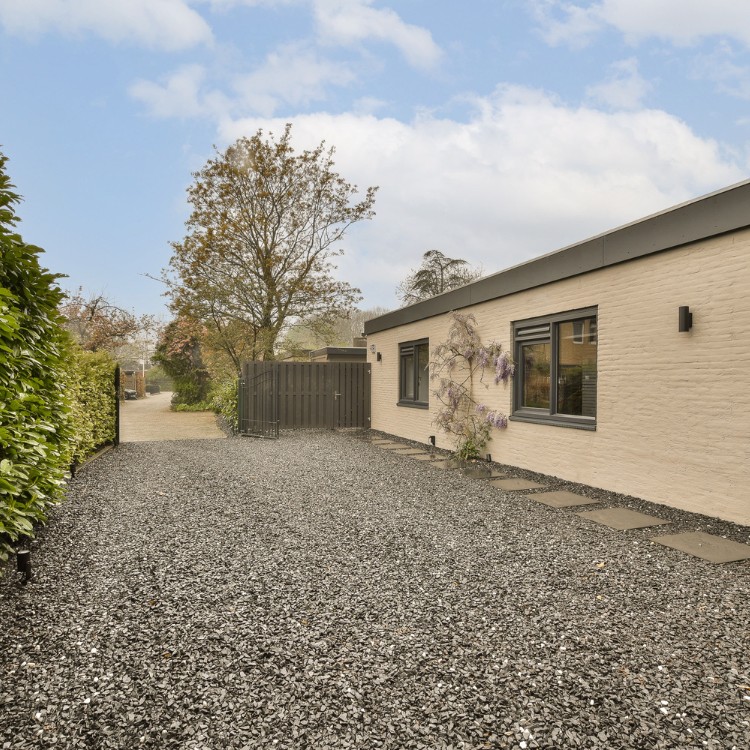
Finally, aesthetics matter. There is a perception that concrete looks “finished” while gravel feels temporary, but modern gravel options challenge that assumption. With the right stone choice, edging, and layout, a gravel driveway can look upscale, clean, and intentionally designed. It can complement farmhouse styles, modern homes, and everything in between, while still offering the practical benefits of a permeable surface.
Gravel Driveways And Texas Climate
McKinney’s climate is a major factor in driveway performance. Long, hot summers bake traditional asphalt surfaces, softening them and making them more prone to rutting and surface damage. Concrete can suffer from surface scaling and discoloration under intense sun and temperature swings. Add in occasional cold snaps and heavy storm events, and you have a recipe for stress on any rigid material. Gravel, by contrast, is not harmed by UV rays or expansion and contraction cycles in the same way.
During heavy rains, which are common in spring and fall, a gravel driveway can be a real asset. Instead of creating slick, puddled surfaces, a well-graded gravel drive encourages water to drain away naturally. This can help protect nearby landscaping, foundations, and walkways from runoff that might otherwise be channeled by solid pavement. In areas of McKinney with more pronounced slope, a carefully designed gravel system with proper base layers and compaction can dramatically reduce erosion compared to bare soil or poorly sloped concrete.
Soil movement is another climate-related challenge that gravel handles gracefully. North Texas is known for expansive clay soils that swell and shrink seasonally. Traditional driveways often need thick, reinforced slabs and deep footings to resist this movement, driving up installation costs. Gravel driveways use a stable base and layered approach to accommodate soil changes without catastrophic failure. Minor settling can be corrected with additional gravel and regrading instead of extensive demolition and replacement.
Even in rare winter weather events, such as ice storms or light snow, gravel can be easier to manage than smooth concrete or asphalt. Vehicles often get better traction on rough, angular gravel than on a slick, frozen slab. While no surface is perfect in icy conditions, homeowners frequently find gravel less treacherous and more forgiving during short-lived winter disruptions in McKinney.
Design Flexibility And Curb Appeal
One of the biggest surprises for homeowners considering gravel is how customizable and attractive it can be. You are not limited to a single gray tone or generic look. There are different stone sizes, colors, and textures that can dramatically change the character of your driveway. Light-colored gravel can brighten a shaded property, while darker stone can provide a sophisticated contrast to a light brick or stone home. TopCore Concrete can help you evaluate options that complement your exterior finishes and landscaping.
Shape and layout are also much more flexible with gravel than with traditional poured surfaces. Curved drives, widened parking pads, and branching access lanes are easier and more affordable to create with gravel. You can design a welcoming circular drive, a side parking area for guests, or a utility lane to a barn or shop without the rigid formwork and expansion joints required for concrete. This flexibility allows your driveway to follow the natural contours of your property instead of forcing a straight-line, one-size-fits-all approach.
Edging plays a critical role in elevating the look of a gravel driveway. Concrete curbs, metal edging, stone borders, or even low masonry walls can define the edges and keep the gravel neatly contained. These details make the driveway appear intentional and finished, not temporary. In some McKinney neighborhoods, adding clean edging and a consistent gravel color can significantly improve curb appeal and blend seamlessly with higher-end landscaping features like flower beds, trees, and walkways.
Lighting and landscaping further enhance the aesthetic value. Because gravel is easier to modify, it’s simple to incorporate planting beds along the drive, install low-voltage lighting, or adjust the width in certain areas to create visual interest. Instead of thinking of your driveway as a purely functional strip of pavement, gravel invites you to treat it as part of your overall landscape design, adding personality and charm to your home’s first impression.
Installation Quality And Long-Term Performance
Not all gravel driveways are created equal. The difference between a dusty, rutted path and a durable, attractive drive largely comes down to installation quality. TopCore Concrete focuses heavily on the foundation of the driveway, starting with proper excavation and grading. The subgrade must be shaped to encourage runoff and compacted to provide a stable base. Skipping this step is a common mistake in DIY installations that leads to premature failure and ongoing maintenance headaches.
Next comes the base layer, often composed of a larger, angular stone that locks together when compacted. This layer provides structural strength and helps distribute vehicle loads. On top of that, a finer gravel or crushed stone is added as the surface layer. The size and type of this top layer are chosen based on how the driveway will be used—light residential traffic, heavy trucks, trailers, or frequent turning movements. Proper compaction at each stage is crucial to prevent deep ruts and excessive shifting.
In McKinney, where drainage is a constant concern, installation also needs to consider culverts, ditches, and transitions to roads or garages. If water is allowed to concentrate in one area, it can wash away fine materials and weaken the structure over time. A professional installer will look at your entire property, not just the driveway footprint, to ensure that water is managed effectively. This might include subtle grading changes, drainage channels, or integration with other landscape features like Retaining Walls.
When built correctly, a gravel driveway can deliver impressive longevity. While it will require periodic top-dressing and minor touch-ups, it avoids many of the expensive, disruptive repairs associated with rigid pavements. Instead of replacing large sections of cracked concrete, you refresh and maintain the surface in smaller, more manageable steps. This phased approach to upkeep is one of the key reasons many property owners view gravel as a practical long-term solution.
Maintenance: Simple, Predictable, Affordable
Every driveway material requires some level of care, but the type and cost of that maintenance vary significantly. Traditional concrete and asphalt often demand infrequent but major interventions—crack repairs, resurfacing, or full replacement. Gravel takes a different path: more frequent but simpler, lower-cost attention. For many homeowners in McKinney, this predictable, manageable maintenance schedule is easier to work into their budgets and routines.
Basic gravel driveway care includes occasional raking or grading to smooth out minor ruts, especially in high-traffic areas or where vehicles turn sharply. Over time, some gravel will migrate to the edges or compact more tightly in certain spots. A quick pass with a rake, box blade, or small tractor (or a visit from a contractor) restores the surface. Depending on traffic and weather, a fresh layer of gravel may be added every few years to maintain thickness and appearance.
Weed control is another aspect of gravel maintenance, but it’s often less daunting than people expect. A proper installation includes a well-compacted base that makes it difficult for deep-rooted plants to establish. Occasional surface weeds can be handled with manual removal or targeted treatments. Some homeowners also choose to use weed barrier fabrics in specific areas, though this must be done correctly to avoid impacting drainage.
Because there are no large slabs to crack, most issues with a gravel driveway can be addressed in localized areas without disrupting the entire surface. If a heavy truck causes a rut or a section near the road develops a low spot, you don’t need to tear out the entire driveway. You simply bring in additional material, regrade, and compact. This modular approach to repairs keeps long-term costs under control and avoids the shock of major replacement projects.
Is Gravel Right For Your Property?
While gravel offers many advantages over traditional driveway solutions, it isn’t the perfect choice for every situation. The key is understanding your priorities, your property conditions, and how you plan to use the space. For rural or semi-rural properties around McKinney, gravel is often the ideal option for long driveways, private lanes, and utility access roads. It handles distance economically and blends naturally into the landscape.
In more urban or HOA-controlled neighborhoods, there may be aesthetic guidelines or surface requirements to consider. Even in these cases, gravel can sometimes be used for secondary parking areas, side drives, or backyard access routes, while concrete is reserved for the main front approach. TopCore Concrete can help you evaluate local standards and design a solution that balances appearance, cost, and performance.
Noise and feel are other factors to think about. Gravel has a distinct sound under tires and a slightly different driving experience than a smooth slab. Many homeowners actually like the audible feedback, as it provides a natural alert when vehicles enter or leave. However, if you strongly prefer a completely silent, ultra-smooth surface, you’ll want to weigh that preference against the practical benefits gravel offers.
Ultimately, choosing a gravel driveway over traditional solutions is about matching the material to the realities of McKinney’s soils, climate, and your lifestyle. When properly designed and installed by a contractor who understands both concrete and gravel systems, a gravel driveway can be a long-lasting, attractive, and financially smart investment in your property.
Frequently Asked Questions
Will a gravel driveway wash away in heavy McKinney storms? A well-built gravel driveway is designed to withstand heavy rain. The key is proper grading, a compacted base, and the right type of angular stone that locks together. Instead of washing away, water should filter through and run off in a controlled manner. If your driveway has low spots or poor drainage, TopCore Concrete can address those issues during installation to minimize erosion and material loss.
How often will I need to add more gravel? The frequency of top-dressing depends on usage, traffic type, and weather. For a typical residential driveway in McKinney, many homeowners add a fresh layer of gravel every 3–5 years. High-traffic or heavy-vehicle areas may need attention a bit more often. Regular light maintenance, such as grading and smoothing, helps extend the time between major additions and keeps the surface looking clean and uniform.
Is gravel more affordable than concrete or asphalt? In most cases, yes. The initial installation cost of a gravel driveway is usually significantly lower than a comparable concrete or asphalt surface, especially for longer drives. Over time, you will invest in periodic maintenance and additional material, but those costs are spread out and generally smaller than the large, one-time expense of replacing a cracked or failing rigid driveway. For many McKinney homeowners, this makes gravel a more budget-friendly long-term solution.
Will a gravel driveway damage my car or create dust? When the correct type and size of gravel are used and the driveway is properly compacted, it is safe for vehicles and minimizes loose stones that could cause chips. Dust can be an issue on poorly maintained or very dry drives, but this can be controlled through proper compaction, material selection, and occasional watering or dust-control treatments during extremely dry periods. A well-maintained gravel driveway is no harder on vehicles than other surfaces.
Can I convert my existing concrete driveway to gravel? Yes, many property owners choose to replace failing or unattractive concrete with gravel. This usually involves breaking up and removing the old slab, regrading the area, and constructing a proper gravel base and surface. In some cases, portions of the concrete can be left in place as structural edges or transitions, depending on their condition. TopCore Concrete can evaluate your current driveway and recommend the most efficient way to make the switch while improving drainage and long-term performance.