
On the first warm Saturday of spring, a McKinney homeowner drags a couple of folding chairs into the backyard, balancing a tray of iced tea and snacks. The grass is uneven, the ground still soft from recent rain, and one of the chairs sinks slightly into the soil. What should feel like a relaxing afternoon ends up being a balancing act, dodging muddy patches and swatting at ants. As the sun sets, the same thought that crosses so many minds in North Texas pops up again: it’s time to put in a real patio.
That moment – when you realize your backyard needs a defined, durable outdoor living space – is where the patio installation process truly begins. For homeowners in McKinney, TX, a patio isn’t just a slab of concrete; it’s an extension of your home where birthday parties, quiet mornings, and game-day cookouts all unfold. Understanding how a professional patio installation actually works helps you make better decisions, set realistic expectations, and ultimately end up with a space you love using year-round. TopCore Concrete has refined this process specifically for North Texas soils, weather, and lifestyle, and this guide walks you through every critical step.
Instead of thinking of patio installation as “pour some concrete and you’re done,” it’s better to see it as a sequence of carefully planned stages. Each stage—from the first conversation about layout to the final cleanup—has a direct impact on how your patio looks, performs, and ages. Skipping or rushing any part of the process can lead to cracking, drainage issues, or a patio that simply doesn’t fit how your family lives. When done right, however, a well-installed patio becomes one of the most reliable and enjoyable features of your property.
Planning The Perfect Space
The entire patio installation process starts long before any soil is disturbed. The planning stage is where you decide what you actually want this space to do for you. In McKinney, that might mean a shaded retreat from the Texas sun, a grilling station near the kitchen, or a large entertaining area for family gatherings. TopCore Concrete typically begins with a conversation about how many people you host, what kind of furniture you want, whether you plan to add a fire pit or outdoor kitchen, and how much of your yard you’re comfortable converting into hardscape.
Once the purpose is clear, the layout and size come into focus. A small bistro-style patio might only need enough room for a table and two chairs, while a family that entertains often may require separate zones for dining, lounging, and cooking. This is also where traffic patterns are considered: How will people move from the back door to the patio? Do you need walkways connecting to side gates or a pool? In McKinney’s typical suburban lots, maximizing usable space without making the yard feel cramped is a delicate balance that experienced installers understand well.
At this stage, you also decide on general shape and style. Straight-edged, rectangular patios often complement modern or traditional homes, while curved designs can soften the look of a yard and work well with landscaping. The planning phase is the time to talk about finishes—broomed concrete, stamped patterns, colored concrete, or decorative borders—so that the final design feels integrated with your home’s architecture. With a clear plan in hand, the installation team can move forward with confidence, knowing exactly what they’re building and why.
Site Evaluation And Preparation
Before any concrete is poured, the site must be evaluated to understand how it behaves with water, weight, and seasonal changes. North Texas is known for expansive clay soils that swell when wet and contract when dry, which can wreak havoc on poorly prepared patios. A professional from TopCore Concrete will assess the soil type, existing grade, and drainage patterns around your McKinney home. They’ll look for low spots where water collects, slopes that direct runoff toward the foundation, and obstacles such as tree roots, sprinkler lines, or utility connections.
With the evaluation complete, marking and excavation begin. The patio footprint is outlined using stakes and string or marking paint, ensuring the dimensions align with the plan. Excavation typically involves removing grass, topsoil, and any organic material that could decompose and cause settling over time. The depth of excavation depends on the patio design and the sub-base requirements, but it must be consistent to support the slab evenly. This step may not be glamorous, but it is absolutely crucial for long-term stability.
Proper grading and drainage solutions are addressed during site preparation. The installer will establish a slight slope away from your house—usually about 1/8 to 1/4 inch per foot—to encourage water to run off the patio rather than pool on the surface or against the foundation. In some cases, additional measures such as French drains, channel drains, or regrading of adjacent soil are recommended. Ignoring drainage in McKinney’s heavy downpours can lead to standing water, slippery surfaces, and even structural issues, so experienced contractors treat this as a non-negotiable part of the process.
Building A Solid Foundation
Once the area is excavated and graded, the foundation for the patio is built. This starts with the installation of forms—usually wood or metal boards—that define the exact shape and height of the future slab. Forms act as a mold, holding wet concrete in place and ensuring clean edges and proper thickness. Skilled installers check and recheck elevations at this stage, because any error here will show up in the finished patio surface.
Next comes the sub-base, which is often a compacted layer of crushed stone or gravel. This layer distributes weight, improves drainage, and reduces the risk of soil movement affecting the slab. In McKinney’s clay-heavy soil, a properly compacted base is particularly important. TopCore Concrete uses specialized compacting equipment to achieve a dense, level base that will support the patio through years of seasonal changes. Skipping or skimping on the base is one of the most common causes of cracking and uneven settling in DIY patios.
Reinforcement is the other key part of a strong foundation. Depending on the patio size and design, this reinforcement may be steel rebar laid in a grid pattern or welded wire mesh embedded within the slab. Reinforcement helps the concrete resist cracking from shrinkage, soil movement, and heavy loads such as outdoor kitchens or hot tubs. In high-stress areas, additional rebar may be placed around edges or where loads are concentrated. Taking time to build a solid, reinforced base sets the stage for a patio that can handle both Texas heat and daily use.
Concrete Placement And Finishing
With the forms in place and the base prepared, the most visible part of the patio installation process begins: placing the concrete. Ready-mix concrete is delivered to the site, and the crew carefully pours it into the formwork, distributing it evenly across the entire area. The mix design—its strength, workability, and additives—is selected based on local climate and project needs. For McKinney homeowners, that often means concrete formulated to withstand temperature swings and strong sun exposure.
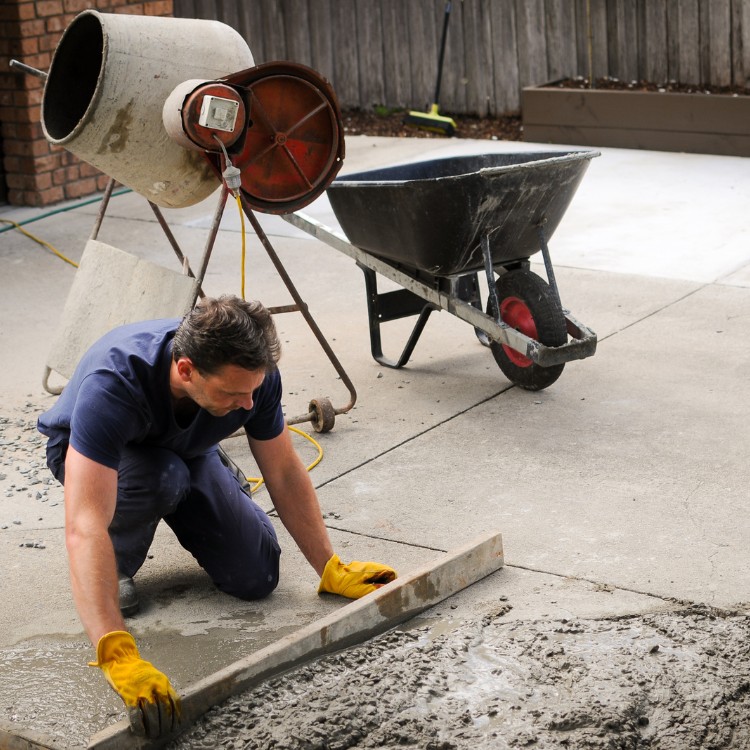
Once the concrete is placed, it must be leveled and consolidated. Installers use tools such as screeds, rakes, and floats to remove air pockets, bring paste to the surface, and create a uniform slab thickness. This step requires skill and timing; working the concrete too much or too little can affect strength and appearance. As the surface begins to set, the crew refines it, ensuring proper slope for drainage and correcting any imperfections. For larger patios, control joints are laid out at this stage—these are planned, shallow cuts that help manage where the concrete will naturally crack over time.
The final finish is where your patio’s character really shows. A standard broom finish creates a slip-resistant texture that performs well in both wet and dry conditions. For a more decorative look, stamped concrete can mimic stone, brick, or tile, while color additives or stains can complement your home’s exterior. Edges may be rounded, beveled, or detailed with special tools. Each finish requires careful timing: the concrete must be firm enough to hold the pattern or texture but still plastic enough to be worked. TopCore Concrete’s crews are trained to read the material and the weather, which is especially important in McKinney’s rapidly changing conditions.
Curing, Sealing, And Final Details
Once the surface is finished, the concrete is not “done” yet—it needs to cure. Curing is the gradual chemical process that gives concrete its strength, and it can take several days to weeks. During this period, the goal is to keep moisture in the slab and prevent it from drying too quickly, which can cause surface cracking and reduced durability. Installers may use curing compounds, coverings, or controlled watering methods to protect the new patio, especially under the intense Texas sun.
Sealing is often the next step, particularly for decorative or stamped patios. A quality concrete sealer helps protect the surface from stains, moisture penetration, and UV damage. It also enhances color and makes cleaning easier. The timing of sealing is important; the concrete must be sufficiently cured to accept the sealer without trapping excess moisture. In McKinney’s climate, where dust, pollen, and occasional hailstorms are common, a properly sealed patio is easier to maintain and keeps its appearance longer.
Finally, the finishing touches bring the whole project together. Forms are removed, edges are cleaned up, and surrounding soil or landscaping is restored. The crew will typically walk you through when it’s safe to walk on the patio (often within 24-48 hours), when to place furniture (usually after several days), and when to park heavy items like grills or outdoor kitchens. This is also the time to discuss long-term care—how often to reseal, how to handle minor stains, and what to avoid, such as harsh de-icing chemicals or dragging heavy metal furniture across the surface.
Design Options And Local Considerations
Beyond the basic structure, one of the most enjoyable parts of the patio installation process is exploring design options. Concrete patios in McKinney can be tailored to match a wide range of architectural styles, from modern ranch homes to traditional brick facades. Color hardeners, integral pigments, exposed aggregate, and stamped patterns provide a rich palette of choices. You can mimic natural stone at a fraction of the cost, create clean contemporary lines, or add decorative borders that frame your outdoor living area.
Local climate and lifestyle also play a large role in design decisions. McKinney summers are hot, so lighter-colored surfaces that reflect sunlight can keep the patio more comfortable underfoot. Shade structures, pergolas, and strategically placed trees can be integrated into the patio plan to create cooler zones. In addition, because outdoor living is nearly year-round in North Texas, many homeowners choose to combine patios with features like fire pits, seating walls, or even integrated steps and transitions that connect multiple levels of the yard.
Another important consideration is how the new patio will interact with existing elements like landscaping, fences, and any Retaining Walls. Proper coordination prevents awkward gaps, uneven transitions, and future maintenance headaches. A well-designed patio looks like it has always belonged there, aligning with window views, door locations, and sightlines from inside your home. TopCore Concrete’s experience in McKinney means they understand local subdivision layouts, HOA expectations, and city permitting requirements, helping streamline the process from concept to completion.
Frequently Asked Questions
How long does a typical patio installation take in McKinney? For most residential projects, the active installation—from excavation to final finishing—usually takes two to four days, depending on the size and complexity of the patio. Weather can affect the schedule; heavy rain or extreme temperatures may require adjustments to protect the concrete. Keep in mind that curing continues after the crew leaves, so while you can often walk on the patio within a day or two, full strength develops over several weeks.
What thickness should my concrete patio be? A standard concrete patio is commonly poured at 4 inches thick, which is sufficient for typical residential use such as foot traffic and standard outdoor furniture. If you plan to place heavier loads on the patio—like an outdoor kitchen, hot tub, or vehicle access—your contractor may recommend thicker sections or additional reinforcement. TopCore Concrete evaluates your specific design and usage plans to determine the appropriate thickness and reinforcement for long-term performance.
Will my patio crack over time? All concrete has the potential to crack as it cures and responds to temperature changes and soil movement. However, professional installation techniques greatly reduce the appearance and impact of cracks. Control joints are strategically placed to guide where minor cracking occurs, making it less noticeable and structurally manageable. A solid base, proper reinforcement, and good curing practices all help minimize unwanted cracking and keep your patio looking its best.
How should I maintain my concrete patio? Routine maintenance is straightforward: sweep regularly to remove dirt and debris, and wash the surface occasionally with a garden hose or mild detergent. Avoid harsh chemicals that can damage the sealer or concrete. Resealing every few years, depending on wear and sun exposure, will help protect against stains, moisture, and fading. In McKinney’s climate, it’s also wise to avoid using de-icing salts on the patio, as they can deteriorate the surface over time.
Do I need a permit for a patio in McKinney, TX? Permit requirements vary based on the size, location, and design of your patio, as well as current city regulations and any HOA rules. Smaller ground-level patios may not always require a permit, but larger structures, covered patios, or those near property lines often do. A contractor familiar with McKinney, like TopCore Concrete, can help you determine whether a permit is needed and assist with any necessary documentation to keep your project compliant and hassle-free.