
Most homeowners assume retaining walls are either backbreaking DIY projects or bland concrete barriers that simply hold back dirt. That belief is what leads to so many crooked, cracking, and frankly ugly walls leaning their way across North Texas yards. The truth is, creating a beautiful retaining wall can be surprisingly straightforward when you understand how the wall works, choose the right materials, and follow a clear process from planning to finishing touches.
Another misconception is that retaining walls are only for steep slopes or serious erosion problems. In a place like McKinney, TX, where yards often have gentle grades and clay-heavy soil, a well-designed retaining wall can be just as much about beauty as it is about function. You can use walls to frame outdoor living areas, define garden spaces, create seating, or add layered landscaping – all while quietly managing drainage and soil pressure behind the scenes.
The key to building a retaining wall with ease is not about brute strength or fancy tools. It’s about smart decisions upfront and leveraging professional expertise where it matters most. When companies like TopCore Concrete get involved early, homeowners can avoid the headaches of failed walls, surprise costs, and constant repairs. Instead, they end up with structures that look like they were always meant to be part of the property – clean, stable, and visually appealing for years to come.
Understanding What A Retaining Wall Really Does
Before you think about colors, textures, or decorative caps, it helps to understand what a retaining wall is actually doing. At its core, a retaining wall is a structural system that holds back soil that would otherwise slide, erode, or slump downhill. In North Texas, the expansive clay soils around McKinney can swell when wet and shrink when dry, which exerts tremendous pressure on anything that stands in their way. A proper wall is designed to manage that pressure safely.
Many failed retaining walls share the same flaw: they were built as if they were just stacked blocks or poured concrete, with no thought given to what is happening behind them. Soil pushes horizontally against the wall. Water builds up in that soil and adds even more pressure. Without drainage, reinforcement, and a solid base, even the best-looking wall will eventually tilt, crack, or bow outward. Understanding this dynamic makes it clear why planning and engineering matter so much.
When TopCore Concrete designs a retaining wall in McKinney, the team looks at the entire system: soil type, slope, water flow, and how the wall will be used. Is it supporting a patio? Is it purely decorative? Will there be a fence or structure sitting near the top of the wall? These questions shape everything from wall thickness and footing depth to reinforcement methods. Once the structural side is handled, the “easy” part – choosing finishes and style – becomes much more enjoyable and stress-free.
Planning The Wall: Site, Style, And Function
Creating a beautiful retaining wall with ease starts long before the first shovel hits the ground. The planning stage is where you decide how the wall will fit your lifestyle and your property. Start by walking your yard and looking at how water flows when it rains, where the sun hits, and how you currently move through the space. Often, homeowners in McKinney discover that a retaining wall can solve multiple problems at once: leveling an area for a play space, controlling erosion, and framing a new seating area.
Function should always come first. Ask yourself what you truly need from the wall. Are you trying to stop soil from washing onto your patio? Do you want to carve out a flat space for a fire pit or outdoor kitchen? Or are you simply trying to add some depth and interest to an otherwise flat yard? When TopCore Concrete discusses projects with clients, they often find that small adjustments in wall height or layout can dramatically improve how the yard is used, without adding complexity to the build.
Once function is clear, you can turn to style. Retaining walls can look rustic, modern, traditional, or completely custom depending on the materials and layout you choose. In McKinney’s neighborhoods, you’ll see everything from sleek poured concrete walls and stained finishes to stone-textured block systems that mimic natural rock. Coordinating the wall with existing elements – such as your home’s brick, your patio surface, or even your Driveways – makes the finished project feel intentional rather than tacked on. This is where a concrete specialist can suggest combinations you may not have considered, like colored concrete, decorative scoring, or integrated steps.
Choosing Materials That Look Great And Last
Material selection is one of the most enjoyable parts of designing a retaining wall, but it’s also where many DIY projects go off track. People often pick based solely on looks or price, without considering weight, durability, or compatibility with local soil and climate. In McKinney, where the weather swings from intense summer heat to heavy seasonal rains, materials must be able to handle thermal expansion, moisture, and the movement of clay soils.
Concrete is a standout option for retaining walls because it offers strength, versatility, and longevity. Poured concrete walls engineered and installed by professionals like TopCore Concrete can be reinforced with steel, shaped to match curves and corners, and finished with textures or stains. Unlike some lightweight block systems that rely heavily on gravity alone, reinforced concrete can handle taller walls and more demanding loads when designed correctly.
Decorative options have expanded dramatically over the years. You are no longer limited to a plain gray surface. Concrete retaining walls can be stamped to resemble stone, brick, or wood, allowing you to match or complement other features in your yard. They can be colored integrally or stained after curing, giving you a wide palette from warm earth tones to sleek charcoal hues. The result is a wall that delivers the structural performance you need while looking like a custom architectural element instead of a purely utilitarian feature.
For homeowners who want a softer or more natural appearance, concrete can also act as the hidden backbone behind stone veneers or other decorative facings. This approach delivers the strength of concrete with the character of natural stone. TopCore Concrete can help you weigh the pros and cons of each option, including cost, maintenance, and the visual impact on your McKinney property, so the final choice feels both practical and personal.
Building With Ease: The Process Simplified
One of the biggest fears homeowners have is that building a retaining wall will be disruptive, messy, and complicated. In reality, when there is a clear plan and an experienced crew, the process is surprisingly streamlined. It typically begins with layout and excavation. The team marks the wall location, then digs down to create a stable base below the frost line and below any loose topsoil. In North Texas, this is particularly important due to the movement of clay soils; skipping this step is a common reason walls fail.
Next comes the foundation and reinforcement. For concrete walls, this means placing forms and installing steel rebar according to the engineered design. The rebar grid helps the wall resist bending and cracking as the soil pushes against it. Concrete is then poured, vibrated or consolidated to remove air pockets, and allowed to cure properly. This is not the moment to rush; proper curing dramatically affects long-term strength and durability.
Drainage is addressed during and after the structural work. Behind the wall, crews add free-draining backfill materials such as gravel, along with perforated drain pipes wrapped in fabric to keep out silt. These pipes route water away from the wall and out to a safe discharge point. Without this drainage system, water pressure can build up and stress even a well-built wall. TopCore Concrete pays close attention to this stage because it is the invisible detail that determines whether your wall will still look straight and solid after years of Texas storms.
Finally, finishing touches are added: caps on top of the wall, surface textures, stains or sealers, and cleanup of the surrounding area. What felt like a daunting structural project at the start becomes a clean, finished feature that integrates into your landscape. The “ease” comes from having a team that handles each step with a clear plan, so you’re not guessing about what comes next or worrying about whether something important was overlooked.
Designing For Beauty: Making Walls A Feature
Too often, retaining walls are treated as background infrastructure when they could be the star of the outdoor space. A wall doesn’t have to be a straight line at the property edge. It can curve gracefully around a patio, step down in tiers, or include built-in seating. In McKinney, where outdoor living is a big part of how people enjoy their homes, a thoughtfully designed wall can define an entire entertaining area.
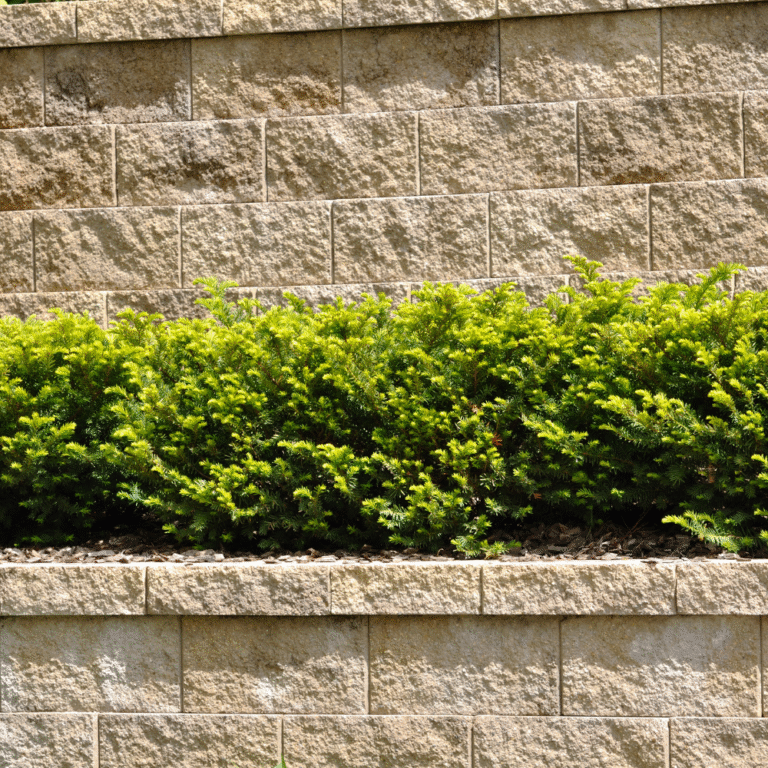
One effective approach is to think in layers. Instead of one tall wall, consider a series of shorter terraced walls with planting beds between them. This softens the look, provides opportunities for flowers and shrubs, and makes the space feel more like a garden than a retaining system. It can also improve stability, since each wall is holding back less height of soil. TopCore Concrete often works with homeowners and landscape designers to coordinate wall heights, bed widths, and stairs so everything flows naturally.
Lighting is another powerful design tool. Low-voltage lights integrated into the face or cap of a retaining wall can create dramatic evening effects and improve safety. Imagine a gently lit path along a stepped wall, or warm lighting highlighting a textured concrete surface. These elements are easiest to install during construction, which is why discussing them upfront with your contractor is so important.
Color and texture complete the picture. A smooth, modern concrete wall stained in a deep charcoal can anchor a contemporary outdoor kitchen, while a lightly textured, earth-toned wall can blend seamlessly into a more traditional landscape. In McKinney’s diverse neighborhoods, matching the style of the home and surrounding hardscapes keeps the wall from feeling out of place. This is where a local specialist like TopCore Concrete, familiar with regional building styles and materials, can guide you toward a design that feels both current and timeless.
Working With A Local Concrete Specialist
While small garden walls can sometimes be DIY-friendly, larger retaining walls are structural projects that benefit greatly from professional expertise. Working with a local company like TopCore Concrete in McKinney, TX means you’re partnering with people who understand the specific soil conditions, permitting requirements, and climate challenges of the area. That local knowledge translates into walls that are not just attractive on day one, but stable and low-maintenance for years.
A good contractor will start with a conversation rather than a quote. They will ask about how you use your yard, what problems you’re trying to solve, and what you envision the space looking like when it’s finished. From there, they can propose options that balance budget, aesthetics, and performance. For example, you might discover that slightly adjusting the wall alignment or height reduces costs without sacrificing appearance, or that a particular finish will cut down on maintenance.
Another advantage of working with a professional team is the coordination of all the moving parts: excavation, reinforcement, concrete placement, drainage, and finishing. Instead of juggling multiple trades or trying to troubleshoot on the fly, you have a single point of contact who manages the process. In McKinney’s growing neighborhoods, where many lots have unique grading or drainage issues, this level of coordination can prevent costly surprises later.
Finally, a reputable concrete specialist stands behind their work. Retaining walls are long-term investments, and knowing that the structure was designed and built to recognized standards provides peace of mind. If you ever decide to add more features later – such as additional walls, patios, or walkways – working with the same team ensures consistency in appearance and performance across your outdoor space.
Frequently Asked Questions
How tall can my retaining wall be without engineering? In many areas, including parts of McKinney, TX, walls over a certain height (often around 3 to 4 feet) require engineering or permits, but exact rules vary. Even if your wall is shorter, it still needs to be designed properly to handle soil and water pressure. TopCore Concrete typically evaluates the site conditions and intended wall height before recommending whether formal engineering is needed. This prevents you from investing in a wall that looks fine initially but fails prematurely due to hidden stresses.
Do I really need drainage behind my retaining wall? Yes, proper drainage is crucial for long-term performance. Water-soaked soil is much heavier and exerts greater pressure on the wall. Without a drainage system – usually gravel backfill plus perforated pipe – water can build up behind the wall, causing bulging, cracking, or even collapse. In North Texas, sudden heavy rainstorms are common, so TopCore Concrete designs drainage into every serious retaining wall project to protect both the wall and the surrounding landscape.
How long will a concrete retaining wall last? A well-designed and properly built concrete retaining wall can last several decades, often 50 years or more, especially when reinforced and drained correctly. Factors that influence lifespan include the quality of materials, the stability of the base, how well water is managed, and whether the wall is exposed to heavy vehicle loads or additional structures. Regular visual inspections and occasional cleaning are usually all that is needed to keep a concrete wall in good condition.
Can a retaining wall improve my property value? Yes, a high-quality retaining wall can add both functional and aesthetic value to your property. By creating usable flat space, controlling erosion, and enhancing the visual appeal of your yard, a well-executed wall often makes the home more attractive to buyers. In communities around McKinney, where outdoor living spaces are highly valued, projects completed by professionals like TopCore Concrete can be a strong selling point, especially when combined with patios, seating areas, and thoughtful landscaping.
Is it cheaper to do a retaining wall myself? The initial material cost might seem lower if you attempt a DIY retaining wall, but the risk of mistakes is significant. Common errors include inadequate base preparation, poor drainage, and underestimating soil pressure, all of which can lead to failure and expensive repairs. When you factor in the time, tools, potential rework, and the importance of safety, many homeowners in McKinney find that hiring a specialist like TopCore Concrete provides better long-term value and far less stress.