
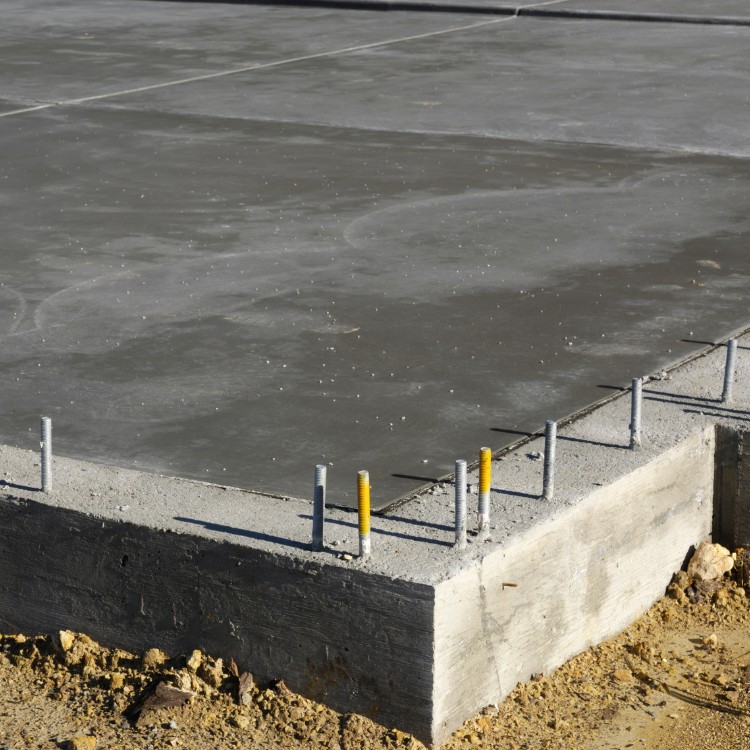
Most homeowners who say they want an “innovative patio” usually end up choosing the same square slab of concrete with a different color or stamp. The mistake isn’t a lack of imagination; it’s assuming that innovation is only about what you see on the surface. True innovation in patio installation starts below the slab, in how the base is prepared, how the concrete is engineered, and how the space is designed to function throughout the Texas seasons. When you only focus on color charts and pattern books, you miss out on techniques that can dramatically improve comfort, longevity, and the overall experience of your outdoor space.
Another thing people get wrong is thinking that innovative techniques automatically mean higher maintenance or fragile, experimental materials. In reality, many of the most forward-thinking patio approaches used by contractors like TopCore Concrete in McKinney, TX are about reducing headaches: better drainage so you don’t have standing water after a storm, stronger reinforcement so your patio doesn’t crack when our clay soils shift, and smarter layout strategies so your space actually gets used instead of becoming a hot, unused slab. Innovation here is practical, not gimmicky. It is about applying new methods and technologies to an age-old material in a way that suits the way you live.
When you start looking at patio installation through that lens, a lot of possibilities open up. From permeable bases that work with North Texas soil conditions, to hybrid surfaces that combine concrete with stone or turf, to integrated lighting and heating built directly into the slab, there are many ways to go beyond the typical backyard pad. In McKinney, innovative patio installation is less about chasing trends and more about adapting proven techniques to our climate, our soils, and the way local families use their outdoor spaces.
Subgrade And Base Innovations
A patio is only as good as what you cannot see. In North Texas, our expansive clay soils swell when wet and shrink when dry, which is why so many standard patios crack or tilt after just a few years. One innovative approach TopCore Concrete uses in the McKinney area is enhanced subgrade conditioning. Instead of simply scraping the turf and pouring concrete on compacted native soil, the crew can selectively over-excavate and replace problem soils with a more stable base material, or treat the subgrade with lime or other stabilizers to minimize movement. This step is invisible after the pour, but it dramatically affects how your patio performs over time.
Another emerging technique is the use of layered, engineered bases rather than a single layer of compacted gravel. By incorporating different gradations of aggregate, installers can create a more stable and better-draining platform for the concrete. The upper layer might be a tightly compacted crushed stone for strength, while lower layers are designed to move water away from the slab. This layered approach is especially useful in McKinney neighborhoods where drainage is already a concern and where heavy storms can quickly overwhelm flat yards.
Permeable edge zones are also gaining traction. Instead of pouring concrete right up to a fence or house wall, a narrow band of permeable base material and decorative rock can be installed around the perimeter. This acts like a pressure-relief zone for both water and soil movement. It allows rainfall to infiltrate instead of pooling against structures, and it gives the soil a small buffer so expansion and contraction have less impact on the slab. These subtle subgrade innovations help a patio resist the seasonal stresses that are common in Collin County.
Finally, for larger or more complex patios, some homeowners are exploring helical piers or deep footings beneath critical areas of the slab. While this is not necessary for every project, it can be a smart solution where patios tie into covered structures, outdoor kitchens, or raised seating areas. By anchoring portions of the patio to more stable depths, the overall system becomes more resistant to differential settlement, a frequent culprit behind cracked and uneven surfaces.
Advanced Reinforcement And Slab Design
Traditional patios often rely on light wire mesh or a few pieces of rebar placed more for habit than for engineering. Innovative patio installation, on the other hand, treats the slab as a structural element that can be carefully tailored to the site. One technique that TopCore Concrete may use is fiber-reinforced concrete, where tiny synthetic or steel fibers are mixed directly into the concrete. These fibers help control shrinkage cracking and add toughness to the slab, which is especially helpful in outdoor settings exposed to temperature swings.
Post-tensioned slab systems, commonly used for foundations, are another advanced option for certain patio projects. In a post-tensioned slab, high-strength steel tendons are placed within the concrete and then tensioned after the pour. This puts the slab into compression and significantly improves its ability to resist cracking and movement. While not necessary for every patio in McKinney, it can be a powerful tool when designing large, continuous outdoor living areas that are expected to support heavy features like fireplaces, outdoor kitchens, or spas.
Joint strategy is also evolving. Instead of random saw cuts placed after the fact, innovative installers plan control joints and decorative joints together from the beginning. The goal is to guide inevitable hairline cracks into predetermined lines that double as design elements. By aligning joints with pattern changes, borders, or transitions between zones, the patio looks intentional and stays structurally sound. This design-forward approach to cracking control is subtle but makes a huge difference in long-term appearance.
Variable slab thickness is another technique that can be employed. Rather than pouring the entire patio at a uniform depth, areas subject to higher loads—such as under a built-in grill or where a hot tub might sit—can be thickened. This targeted reinforcement means you are not paying for unnecessary concrete everywhere, but the critical zones get the extra strength they need. In McKinney, where many homeowners are turning their backyards into full outdoor living rooms, this kind of thoughtful engineering keeps the patio from becoming a weak link.
Creative Surface Treatments And Hybrid Materials
Once the structural side is handled, the surface is where a lot of visible innovation happens. Decorative concrete has come a long way from simple broom finishes. Techniques such as integral coloring combined with localized staining can create depth and variation that mimics natural stone without the maintenance headaches. Instead of one flat color, installers can layer tones, add subtle veining, or highlight edges to give the patio a custom, crafted look that fits the character of your McKinney home.
Texturing methods have also grown more sophisticated. Beyond basic stamping, there are hybrid finishes that combine smooth, exposed aggregate, and lightly textured areas in a single slab. This allows for visual zoning—perhaps a smoother surface near dining furniture, a more slip-resistant texture around a pool, and a decorative band that ties everything together. These transitions are created during installation, not added later, so they are durable and integrated into the concrete itself.
Hybrid material patios are becoming increasingly popular in North Texas outdoor design. In this approach, concrete forms the structural and functional backbone, while sections of porcelain pavers, natural stone, or artificial turf are inlaid or framed by the concrete. For example, a concrete border might surround a turf inlay where kids can play, or large-format pavers may be set within a concrete grid. This mix of materials adds visual interest and can create cooler walking surfaces under the summer sun while keeping maintenance manageable.
Innovative installers also think ahead about how the surface will age. Sealers tailored to the specific finish and use case (such as UV-resistant sealers for sunny patios or breathable sealers for damp, shaded areas) help maintain the look of the patio without creating slippery conditions. Ongoing resealing schedules can be planned around McKinney’s weather patterns, ensuring that decorative surfaces stay attractive and functional over the long term.
Integrated Lighting, Utilities, And Smart Features
One of the most overlooked innovative techniques in patio installation is the integration of utilities during the build, rather than as an afterthought. Running conduit for low-voltage lighting, speaker wire, or even future gas lines before the pour can save major disruption later. TopCore Concrete can coordinate with electricians or other trades so that the necessary sleeves and conduits are embedded in the slab, leaving clean, uncluttered surfaces with no exposed cords or tripping hazards.
LED lighting is particularly well-suited to patios and can be built right into the concrete. Recessed step lights, perimeter strip lighting, and in-slab accent lights can be wired through conduits placed in the base or within expansion joints. When the sun goes down, the patio transforms into a usable and inviting space instead of a dark void. Because the infrastructure is installed during the concrete work, the result looks intentional, not tacked on.
Another innovation is the integration of drainage and utility channels that double as design elements. Linear drains can be incorporated into decorative borders, catching runoff from both the patio and adjacent landscaping. These channels can also house low-voltage lines or irrigation pipes, keeping them accessible without visual clutter. For McKinney homeowners who plan to expand their outdoor kitchens or add features over time, this kind of foresight makes upgrades far easier.
Smart controls round out the picture. While the concrete itself is not “smart,” the systems embedded around and within it can be. Lighting, outdoor heaters, and even misting systems can be connected to Wi-Fi-enabled controls, allowing you to adjust the environment from your phone. When these systems are anticipated during patio installation, the necessary wiring and mounting locations are already in place, making your outdoor living area feel like a natural extension of your home’s interior technology.
Climate-Responsive Layouts And Comfort Features
In McKinney, TX, the way a patio is oriented and shaded can matter as much as the materials used. Innovative patio design takes sun paths, prevailing winds, and existing shade into account from the start. Instead of plopping a slab right outside the back door, thoughtful installers analyze where the hot afternoon sun hits, where breezes naturally flow, and how the family actually moves through the yard. The patio can then be shaped and positioned to capture shade, channel breezes, and avoid glare, making it comfortable for more months of the year.
Concrete itself can be part of the comfort strategy. Lighter-colored mixes and reflective surface treatments reduce heat absorption, keeping the patio cooler underfoot. In some cases, microtexture finishes are chosen not only for slip resistance but also because they hold less surface heat than very smooth finishes. Around pools or in fully exposed yards, these choices have a big impact on usability during Texas summers.
Built-in features like seat walls, planters, and low dividers can be poured as part of the patio structure. These elements do more than look nice; they help shape microclimates. A low wall can provide a backrest for seating, block wind, or create a sense of enclosure that makes the space feel cozier in cooler months. Integrated planters can support small trees or tall grasses that provide dappled shade over time. By treating these features as integral parts of the patio installation rather than separate add-ons, the final result feels cohesive and purposeful.
For homeowners who want to stretch patio use into the winter, provisions for heating can be planned early. Sleeves for gas lines to fire pits, mounting points for infrared heaters, or even radiant heating loops in select patio zones can be included at the installation stage. While not every McKinney patio needs all of these features, knowing what is possible lets you plan a space that truly supports year-round living instead of being limited to a few mild months.
Blending Patios With Landscape And Structures
Innovative patios do not exist in isolation; they connect smoothly to the home, the yard, and other outdoor structures. One advanced technique is to subtly vary patio elevation to respond to grade changes or to create distinct “rooms” without needing railings or large steps. A gentle, single-step drop from a dining area to a lounge zone can make the space feel layered and interesting while still being easy to navigate. These elevation changes, when carefully engineered, also help manage drainage by directing water away from the house and toward landscaped areas.
Transitions between the patio and softscape areas are another opportunity for innovation. Instead of a hard edge where concrete meets lawn, many McKinney homeowners are opting for transition bands of gravel, decorative rock, or planting strips. These buffers can absorb runoff, reduce mowing challenges at the patio edge, and create a more natural, resort-like feel. They also allow the patio to “float” visually within the yard, which can be a big aesthetic upgrade.
Where patios meet vertical elements like fences, pergolas, or outdoor kitchens, careful detailing prevents future problems. Allowing for slight movement between structures, using flexible joint materials, and placing control joints in alignment with posts and walls are small but critical techniques. When done well, these details reduce cracking and separation that often appear at these junctions. The result is a cleaner, more durable connection between the hardscape and the surrounding built elements.
In yards with significant grade changes, combining patio work with features like steps, raised planters, and even Retaining Walls can transform a challenging lot into a multi-level outdoor retreat. By planning these structural elements together, TopCore Concrete can ensure that each piece supports the others both visually and structurally. This integrated approach is far more effective than trying to bolt on solutions later when problems like erosion or unusable slopes have already become apparent.
Frequently Asked Questions
What makes a patio installation “innovative” rather than just decorative? Innovation goes beyond surface appearance. It includes advanced base preparation tailored to McKinney’s expansive soils, smarter reinforcement like fiber or post-tensioning, integrated utilities for lighting and outdoor kitchens, and climate-responsive layout decisions. A patio can be innovative even with a simple finish if the underlying engineering, drainage, and functionality are thoughtfully designed to improve durability and comfort.
Are these advanced techniques much more expensive than a standard patio? Some techniques do increase upfront cost, but they often pay off in reduced repairs and better long-term performance. For example, improving the subgrade or using fiber-reinforced concrete may add modestly to the initial budget but can significantly reduce cracking and maintenance. TopCore Concrete works with McKinney homeowners to prioritize which innovations will deliver the most value for their specific site and goals, so you are not paying for features you do not need.
Can my existing patio be upgraded with innovative features, or do I need to start over? In many cases, an existing patio can be enhanced with some innovative elements, such as added lighting, overlays, or extensions that use improved base and reinforcement methods. However, if the current slab has severe structural issues from poor base prep or major movement, it may be more effective to remove and rebuild using modern techniques. A professional assessment can determine whether upgrades or replacement will be the smarter long-term choice.
How do these techniques handle McKinney’s weather and soil conditions? The methods described are specifically valuable in climates like North Texas. Enhanced subgrade treatment, layered bases, and well-planned drainage address issues caused by expansive clay and heavy storms. Climate-responsive layouts, reflective finishes, and integrated shade features help manage intense summer heat. By designing the patio around local conditions instead of using a generic approach, TopCore Concrete can create a space that stays comfortable and structurally sound year after year.
How long does an innovative patio installation typically take? Timelines vary based on size, complexity, and the number of integrated features. A straightforward patio using improved base and reinforcement might take only a few days from excavation to final finish, plus curing time. More complex projects with multiple levels, integrated lighting, seat walls, or hybrid materials can extend the schedule. The key is careful planning upfront so that utilities, structural elements, and finishes are coordinated, which minimizes delays and ensures that all the innovative components work together as intended.