
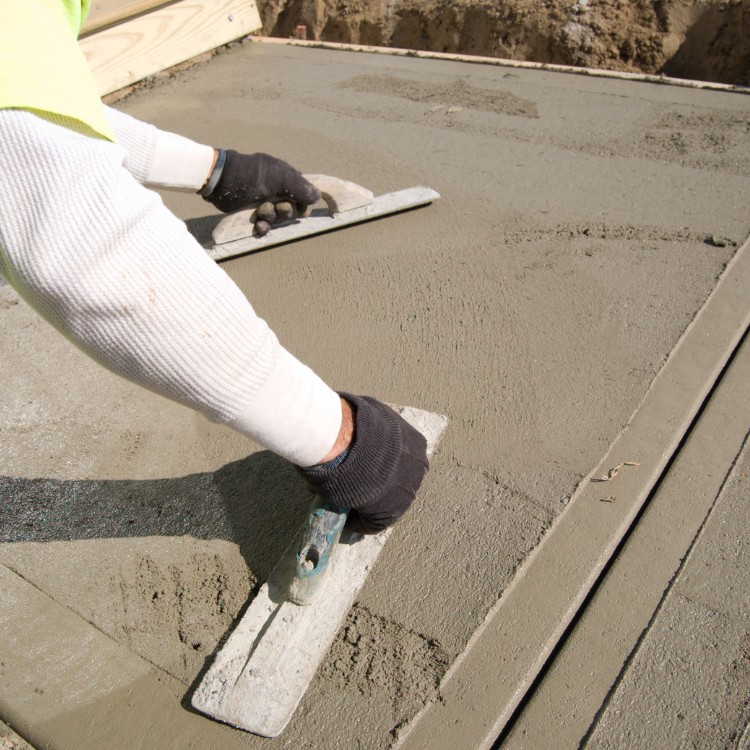
How confident are you that the ground under your future slab, patio, or driveway is actually prepared to carry the weight of your investment for decades? For many homeowners and builders in McKinney, TX, foundation grading feels like a vague step that happens “somewhere between clearing the lot and pouring the concrete.” Yet this quiet phase is where the long-term success or failure of your project is largely decided. When grading is wrong, concrete cracks, doors stick, water creeps toward the house, and repairs become expensive. When it’s right, everything built on top of it simply works.
Navigating foundation grading for your project means understanding more than just moving dirt around. It involves reading the land, managing water, coordinating with elevations on your plans, and working with a contractor who treats the soil with the same respect they give the concrete. In a fast-growing city like McKinney, where new developments, clay-heavy soils, and changing drainage patterns collide, this attention to grading is especially important. TopCore Concrete approaches grading as a design decision, not just a site task, because the way the land is shaped will determine how your property behaves during the next thunderstorm, drought, or freeze-thaw cycle.
Whether you are planning a new home foundation, a shop slab, a backyard patio, or a long driveway, you do not need to become an engineer to make smart decisions. But you do need enough clarity to ask the right questions, recognize red flags, and understand why a responsible concrete contractor in McKinney talks so much about slopes, elevations, and drainage before talking rebar and finishes. The guide below walks you through how to think about foundation grading, what to expect from a professional like TopCore Concrete, and how to protect your project from problems that start at ground level.
What Foundation Grading Really Means
Foundation grading is the intentional shaping and sloping of the ground so that your concrete structure sits on stable, well-drained, correctly elevated soil. Many people picture bulldozers simply flattening everything, but “flat” is rarely the goal. Instead, good grading creates controlled slopes that direct water away from the foundation, while also meeting the height and layout requirements of your design. It’s both a structural and a drainage strategy, and it must respect the realities of your specific site in McKinney, not just a generic plan.
At a practical level, grading includes cutting high spots, filling low areas, compacting fill material, and fine-tuning the surface to match the desired elevation. In North Texas, with its expansive clay soils, this also means understanding how the ground will move when it gets wet and dry. A properly graded site accounts for seasonal changes, ensuring that the subgrade under your slab is as uniform and stable as possible. Poor grading, on the other hand, can leave pockets of soft soil, hidden low spots that trap water, or steep, uncontrolled slopes that erode quickly during heavy rain.
For a company like TopCore Concrete, grading is treated as the “foundation of the foundation.” Before forming up for a slab or driveway, the crew evaluates how the ground will support and shed water from the concrete. They look at existing drainage patterns, nearby structures, and city requirements in McKinney to make sure the new work does not create problems for you or your neighbors. This holistic approach is what separates a quick pour from a project that stands the test of time.
Reading Your Site Before Work Begins
Successful foundation grading starts long before machinery shows up. The first step is learning how your property behaves today. Stand on your lot after a good North Texas rainstorm and observe where water collects, how it flows, and which areas stay soggy longer than others. These real-world clues are more revealing than any drawing. When TopCore Concrete evaluates a site in McKinney, the team looks for natural high and low points, existing swales, and signs of previous erosion or standing water that might indicate drainage trouble.
Next comes comparing these observations with your project plans. The proposed foundation, patio, or driveway elevations must make sense relative to existing features: the street, alley, neighbors’ yards, and your home’s finished floor height. Even a few inches of miscalculation can create a situation where water slopes toward your house instead of away from it. A thoughtful contractor checks these relationships carefully, often using laser levels or other tools to verify that the planned grades are realistic and compliant with local codes in McKinney.
Soil type is another critical piece of the puzzle. Much of McKinney sits on clay-rich soils that expand when wet and shrink when dry. These movements can put stress on concrete if the grading and subgrade preparation are not done correctly. A knowledgeable crew will test how the soil compacts, determine whether additional base material is needed, and adjust slopes to help water move off the surface efficiently. When you understand that “reading the site” is about water, elevation, and soil behavior, you can better appreciate why responsible contractors insist on this step.
Designing Slopes, Drainage, And Elevations
Once your site is understood, the next phase is designing how the ground should be shaped. This is where elevations and slopes become more than numbers on a page. For most flatwork around a home, the goal is a gentle slope that moves water away from the structure without feeling like a ramp. Typical residential guidelines often call for a minimum fall of about 1/8 to 1/4 inch per foot away from the house, but the exact design will depend on your layout, local requirements, and how intense rainfall can be in McKinney.
Elevation choices can ripple through the entire project. Raise a slab too high, and you may create an awkward step or a visible edge that disrupts landscaping. Set it too low, and you invite water to run toward doors or garage entries. TopCore Concrete balances these concerns by aligning foundation heights with existing thresholds, driveways, and yard grades, while still maintaining safe drainage away from structures. It’s a puzzle that must consider both function and appearance, especially when tying into existing concrete or landscaping.
Drainage planning often includes more than just surface slopes. In some projects, adding swales (shallow channels), surface drains, or directing runoff to existing storm systems is necessary. In parts of McKinney where multiple homes share drainage paths, it is critical that new grading does not block or overload those routes. A well-designed grading plan respects neighboring properties and avoids creating new low spots that collect water. By treating drainage as a designed system rather than an afterthought, you reduce the risk of foundation distress, soil erosion, and muddy, unusable areas on your property.
From Rough Grade To Final Subgrade
The physical work of grading usually happens in stages. Rough grading is the first pass, where large amounts of soil are cut and filled to get the site close to the desired shape. Heavy equipment might remove high areas, import or redistribute fill dirt, and establish the general slope directions. At this stage, the focus is on getting the big picture right: ensuring that water will generally flow away from structures and that the future foundation area sits at an appropriate elevation relative to the surroundings.
After rough grading, attention turns to building the subgrade that will directly support your concrete. This is where precision matters. The soil is shaped to the final design elevations, and any fill material is placed in layers and compacted. In McKinney’s clay soils, proper compaction is crucial; loose or poorly compacted areas can settle later, causing cracks or uneven slabs. TopCore Concrete typically verifies compaction visually and by feel, and on more demanding projects may use testing methods to confirm that the subgrade is ready to carry the load.
Base materials such as crushed stone or select fill may be added on top of the native soil to improve drainage and stability. This layer helps spread loads and provides a more uniform surface under the slab or driveway. The transition from rough grade to finished subgrade is where many shortcuts are taken by less experienced crews. Skipping compaction, leaving soft spots, or failing to correct small low areas can lead to water pooling under or around the concrete. A detail-oriented contractor treats this stage with the same seriousness as reinforcing and finishing the slab itself.
Grading Challenges Specific To McKinney
Building in McKinney comes with its own grading challenges that are not always obvious to property owners. The region’s expansive clay soils can cause significant movement, especially during cycles of heavy rain followed by intense heat and drought. If grading does not encourage water to move off and away from the foundation area, the soil around and beneath your slab can swell unevenly, contributing to cracks, heaving, and misalignment of doors and windows. Proper slopes and drainage paths help moderate these moisture swings, reducing stress on your concrete.
Another local factor is rapid development. As new neighborhoods and commercial projects are built, existing drainage patterns can change. Water that once flowed gently across open fields may now be concentrated by roofs, streets, and neighboring lots. When TopCore Concrete evaluates a project in McKinney, the team looks not only at your parcel but also at how surrounding properties and public infrastructure influence runoff. Overlooking these broader patterns can leave you with surprise water issues after a heavy storm.
City regulations and neighborhood standards also shape grading decisions. McKinney, like many cities, has requirements for how much water you can direct onto neighboring properties and how your finished grades relate to the street and public drainage systems. A contractor familiar with these rules can help you avoid rework, delays, or inspection failures. For homeowners, this means that “what seems easiest” is not always allowed; instead, grading must respect both technical and legal boundaries while still protecting your foundation.
Working With A Concrete Contractor You Trust
Because grading is both technical and somewhat invisible once the concrete is poured, choosing the right contractor matters. You want a team that is willing to explain their approach, show you proposed slopes and elevations, and adjust the plan when site conditions demand it. When you work with TopCore Concrete in McKinney, grading is discussed early, not treated as a small line item. The crew walks you through how the site will shed water, where transitions will occur, and what materials will be used to build the subgrade.
Communication is key. Ask your contractor how they plan to handle existing low spots, what type of base material they recommend, and how they will ensure water flows away from your home. A professional will welcome these questions and be able to point to similar projects they have completed in the area. They should also be clear about what happens if unexpected conditions arise, such as soft soil, buried debris, or mismatched elevations with neighboring structures.
Finally, recognize that grading is not the place to cut corners. The cost of doing it right is almost always less than the cost of fixing problems later. Cracked slabs, standing water, and erosion can all trace back to rushed or careless grading. Partnering with a contractor who treats the ground beneath your project as seriously as the concrete above it is one of the best ways to protect your investment, whether you are pouring a new foundation, patio, or even a long Gravel Driveway on your McKinney property.
Frequently Asked Questions
Why is proper foundation grading so important for my concrete project? Proper foundation grading determines how water behaves around your structure and how evenly the soil supports your slab. When grading is done correctly, water flows away from your home or building, reducing the risk of erosion, soil movement, and moisture-related damage. In McKinney’s clay soils, where expansion and contraction are common, this is especially critical. Poor grading can lead to cracks, uneven settling, and costly repairs that could have been avoided with careful planning and execution at the start.
How much slope should I have away from my house or slab? The ideal slope depends on your specific site and local requirements, but a common residential guideline is to maintain a gentle fall away from the structure, often in the range of 1/8 to 1/4 inch per foot for the first several feet. The key is to ensure that water does not linger near the foundation and that it has a clear path to a safe discharge area. A contractor like TopCore Concrete will evaluate your McKinney property, consider rainfall intensity, soil type, and nearby drainage features, and then design slopes that are effective without being uncomfortable to walk or drive on.
Can’t I just level the ground and pour concrete without special grading? Simply leveling the ground rarely provides the support and drainage your concrete needs. A “flat” surface may trap water against your structure or create hidden low spots that collect moisture under the slab. In addition, unprepared or loosely compacted soil can settle over time, leading to uneven concrete and cracking. Proper foundation grading involves not only shaping the surface but also compacting the subgrade and, when needed, adding base materials to ensure a stable, well-drained platform for your project.
What signs indicate that grading around my existing concrete is a problem? Common warning signs include water pooling near the foundation after rain, soil erosion or washouts along edges, cracks that seem to widen seasonally, and doors or windows that stick or go out of alignment. You might also notice areas that stay soft or muddy long after other parts of the yard have dried. In McKinney, where weather extremes can amplify minor grading issues, these symptoms are worth investigating. A professional assessment can determine whether regrading, drainage improvements, or structural repairs are needed.
How does TopCore Concrete handle grading for projects in McKinney, TX? TopCore Concrete approaches grading as an integral part of every project, not an optional add-on. The team begins by evaluating your site’s natural slopes, soil conditions, and drainage patterns, then compares those observations with your design goals and local regulations. They design slopes and elevations that move water safely away from your structures, prepare and compact the subgrade carefully, and coordinate grading with the formwork and reinforcing for your concrete. By treating the ground and the slab as a single system, TopCore Concrete helps McKinney property owners build projects that look good on day one and continue to perform well for years.