
Real estate studies consistently show that high-quality outdoor spaces can boost perceived home value by as much as 10–15%, and one of the biggest visual game-changers in that category is a well-designed patio. Curb appeal is not just about flowers, paint colors, or a nice front door; it is about how your property feels from the street, and patios are increasingly becoming the focal point of that first impression. In neighborhoods across McKinney, TX, homeowners are discovering that strategic patio installation ideas can turn an ordinary front or side yard into a standout feature that immediately catches the eye.
Unlike backyard patios that are often hidden from view, a front or visible side patio works like a stage that displays your home’s style and personality. It can soften hard architectural lines, tie together landscaping elements, and create a welcoming path that guides the eye right to your entryway. When designed thoughtfully and installed professionally by companies like TopCore Concrete, a patio does more than add a place to sit; it visually organizes your whole exterior and makes the property feel intentional, finished, and upscale.
For many McKinney homeowners, the challenge is knowing which patio ideas will actually enhance curb appeal instead of just adding more “stuff” to the yard. The most successful designs blend function, proportion, and material choices that complement your home’s architecture and the North Texas climate. From decorative concrete finishes to creative layouts, lighting, and integrated landscaping, there are countless ways to transform a plain slab into a feature that stands out on your street for all the right reasons.
Designing For Street Impact
When the goal is curb appeal, the first question is not “Where can I fit a patio?” but “What will people see from the street?” A patio that is beautiful from the back door but hidden from the public view will not boost curb appeal nearly as much as one that is intentionally positioned and framed. In McKinney, where many homes have generous front yards, a small sitting patio near the entry or off to one side can create an inviting, almost boutique-hotel feel that instantly elevates the look of the property.
Start by standing across the street and studying your home the way a visitor might. Notice where your eye naturally travels: the front door, the garage, the driveway, or a large blank wall. A well-placed patio can redirect that attention and balance what feels visually heavy. For example, if your garage dominates the front façade, a patio with decorative concrete, planters, and seating on the opposite side can restore symmetry and soften the overall look. TopCore Concrete often helps McKinney homeowners map out these sight lines before any materials are selected, ensuring the design has maximum visual impact from day one.
Scale is another crucial factor. A patio that is too small can look like an afterthought, while one that is oversized can feel like it is swallowing the front yard. The trick is to match the patio’s footprint to the mass of the house and the width of the lot. Gentle curves, angled corners, or a combination of large and small sections can make the space feel integrated rather than forced. When the proportions are right, the patio naturally looks like it was part of the original plan, which is one of the hallmarks of strong curb appeal.
The last piece in designing for street impact is the flow from sidewalk or driveway to the patio. Clear, attractive access—whether that is through a widened walkway, a series of stepping pads, or a concrete path that subtly changes texture as you approach the patio—invites people in visually. Even if you rarely sit outside, that invitation alone makes the home look friendlier, more cared-for, and more valuable.
Choosing Concrete Styles And Finishes
Once the layout is planned, the material choices are what truly define the character of your patio. Concrete is a favorite in McKinney, TX, because it is durable, adaptable, and cost-effective, but that does not mean it has to look plain. TopCore Concrete can transform a basic slab into something that resembles stone, brick, or even wood through different finishing techniques, giving you a custom look that anchors your home’s style from the outside.
Stamped concrete is one of the most popular options for boosting curb appeal. With the right pattern and color, you can echo the look of flagstone, slate, cobblestone, or pavers without dealing with shifting joints or weeds. A classic cobblestone pattern might pair well with a traditional brick home, while a large-format slate pattern could complement a more modern or transitional design. Integrally colored concrete or surface-applied stains add depth and variation, making the surface feel rich rather than flat.
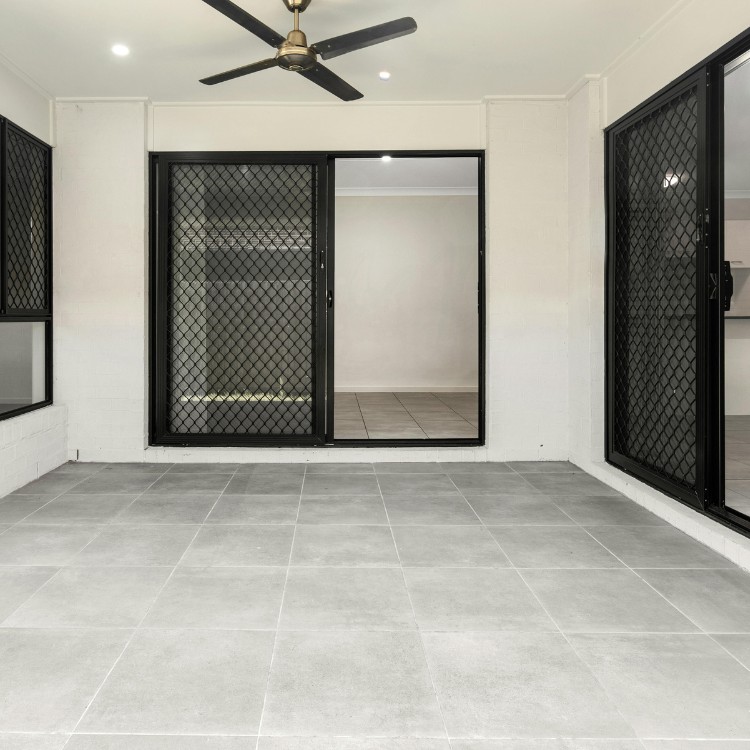
For homeowners who prefer a clean, contemporary vibe, smooth or lightly broomed concrete with crisp edges can be surprisingly striking. The key is in the details: tight control joints, consistent finishes, and intentional color choices. Light gray concrete can feel airy and elegant, while a slightly darker shade can ground a light-colored home and create contrast. Decorative borders—perhaps a contrasting band of stamped or stained concrete around the edge—can frame the patio like a picture, giving it a polished, custom appearance from the curb.
Exposed aggregate is another option that performs well in the North Texas climate. By revealing the stone within the concrete, you get a textured, slip-resistant surface with a natural, upscale look. This finish pairs especially well with homes that use stone accents or earthy color palettes. Because McKinney experiences occasional heavy rains and hot summers, choosing a finish that handles both water and heat gracefully is important; exposed aggregate and textured stamped patterns both provide grip and visual interest without sacrificing durability.
Integrating Patios With Landscaping
No matter how beautiful the concrete work is, a patio without landscaping often looks incomplete. For curb appeal, the transition between hard surface and soft plantings is where the magic happens. Thoughtful landscaping around the patio helps it blend into the yard instead of floating in the middle of the lawn, while also introducing color, height, and seasonal interest that draw attention from the street.
Start with the edges. Curved planting beds that follow the outline of the patio can soften straight lines and make the area feel more organic. In McKinney, drought-tolerant plants like ornamental grasses, salvia, lantana, and Texas sage provide long-lasting color and texture with relatively low maintenance. Layering plants by height—taller shrubs at the back, medium-height perennials in the middle, and groundcovers or border plants at the front—creates a lush frame that makes the patio feel nestled into the landscape.
Planters and built-in concrete features can further enhance this connection. Large containers near the corners of the patio, filled with seasonal flowers or small shrubs, act like visual anchors that are easily seen from the street. For a more permanent look, some homeowners work with TopCore Concrete to incorporate short seat walls or raised planters directly into the patio design. These features add dimension, provide extra seating, and create a layered look that feels sophisticated and intentional.
Do not overlook the power of lawn and groundcover integration. A crisp concrete edge that meets a healthy, well-maintained lawn sends a strong signal that the property is cared for. Alternatively, using stone or gravel bands between the patio and the grass can create a modern, low-maintenance transition that still looks neat and deliberate. In all cases, the goal is to avoid abrupt, unfinished edges. When the patio appears to “grow” out of the landscape, it reads as part of a cohesive design rather than an isolated element.
Lighting, Steps, And Entry Features
Curb appeal is a 24-hour job, and the right lighting can make your patio a standout feature even after the sun goes down. Simple, well-placed fixtures can highlight the texture of the concrete, guide guests safely, and create a warm glow that makes the entire front of the house feel welcoming. In McKinney’s evening heat, a softly lit patio can also become a comfortable place to unwind once the day cools off.
Path lights along the walkway leading to your patio are a practical starting point. They help define the route from driveway or sidewalk to the front door and emphasize the connection between the patio and the entry. Under-cap lights on any concrete seat walls or steps can create a sophisticated floating effect, emphasizing the craftsmanship of the installation. Even simple solar lights, when aligned thoughtfully, can enhance the shape of the patio and draw the eye from the street.
Steps and level changes are another opportunity to add character and drama. Many McKinney lots have gentle slopes that can be turned into design assets. Broad, shallow steps that lead from the yard up to the patio can feel grand and inviting, especially when paired with matching concrete textures or contrasting borders. Rounded or angled steps soften the transition and can echo curves in the landscaping, making the whole composition feel cohesive.
Finally, consider how the patio interacts with your front door and other architectural features. A small concrete landing that extends into a larger patio area can make the entry feel more generous and less cramped. Decorative concrete patterns that align with the front porch, or a color that complements your door and trim, can visually tie everything together. When TopCore Concrete designs patios for curb appeal in McKinney, they pay particular attention to these touchpoints so that the patio does not just sit in front of the house but actively enhances the way the home’s architecture is perceived.
Creative Layouts For Small And Large Yards
Not every lot in McKinney is the same, and your patio design should reflect the specific dimensions and quirks of your property. In smaller front yards, the key is to maximize function without overwhelming the space. A compact bistro-style patio, just large enough for two chairs and a small table, can still have a huge impact from the curb. By using decorative concrete and integrating the patio with the main walkway, the area can feel open rather than cramped, providing a focal point that suggests relaxation and hospitality.
For medium-sized yards, zoning can be very effective. You might have a main seating patio near the front door and a secondary concrete pad off to the side for features like a bench, water feature, or sculptural planter display. These zones can be connected visually through matching concrete finishes or separated by contrasting textures to create interest. Curved edges, diagonal layouts, or offset rectangles can help break up rigid lines and make the space feel more dynamic and custom.
Large front or corner lots offer even more opportunity for creative layouts that dramatically boost curb appeal. A sweeping patio that wraps around a corner of the home, combined with a curving walkway and layered landscaping, can turn a wide, empty expanse into a series of inviting outdoor “rooms.” In these cases, TopCore Concrete often recommends mixing concrete finishes—perhaps a smooth central area for seating surrounded by a stamped border or accent zones—to avoid a monotonous look and to highlight key features from the street.
Regardless of yard size, think about how the patio layout relates to practical needs like parking, deliveries, and daily traffic. A beautiful patio that blocks convenient routes or feels awkward to use will not be enjoyed, and over time that reduces its perceived value. By blending creative design with realistic circulation patterns, you get a patio that not only looks great from the curb but also improves how you live in and move around your property.
Working With A Local Concrete Specialist
Design ideas are only as good as their execution, and that is where working with an experienced local contractor matters. In McKinney, TX, temperature swings, soil movement, and drainage all influence how a patio should be installed. A company like TopCore Concrete understands local soil conditions, common neighborhood styles, and city requirements, which helps ensure your new patio is both attractive and long-lasting.
Professional installation starts beneath the surface. Proper excavation, base preparation, and reinforcement are critical to prevent cracking and settling that can quickly ruin curb appeal. An experienced crew will evaluate slope and drainage to make sure water flows away from the house and does not pool on or around the patio. These technical steps are rarely visible from the street, but they are the foundation of a patio that continues to look sharp year after year.
Local specialists also bring design insight that goes beyond what you might find in generic online inspiration photos. They can suggest concrete finishes and colors that have performed well in McKinney’s climate, recommend layouts that complement common home styles in your neighborhood, and coordinate with existing elements like driveways, porches, and Retaining Walls. This kind of tailored guidance often makes the difference between a patio that feels out of place and one that looks like it was part of the original builder’s plan.
Finally, a professional like TopCore Concrete can help you think long-term about maintenance and future upgrades. Choosing the right sealers, planning for potential expansion, and understanding how to care for decorative concrete will keep your patio looking fresh and appealing. When you view your patio not as an isolated project but as a strategic investment in curb appeal, partnering with a knowledgeable local contractor becomes an essential step.
Frequently Asked Questions
How big should a front patio be to improve curb appeal? The ideal size depends on your home’s scale and lot width, but as a rule, the patio should be large enough to comfortably hold the intended furniture without feeling cramped, yet small enough that it does not dominate the entire front yard. For many McKinney homes, a front patio in the 80–200 square foot range works well. The most important factor is proportion: the patio should visually balance the house façade and leave enough open landscape to keep the property feeling spacious.
What concrete finish is best for both looks and durability? Several finishes perform well in North Texas, but stamped concrete and exposed aggregate are especially popular for curb appeal because they combine texture, visual richness, and slip resistance. Stamped concrete can mimic stone or brick while remaining a single, solid surface that is easier to maintain than individual pavers. Exposed aggregate offers a natural, pebbled look that hides minor surface wear. A local installer like TopCore Concrete can recommend the best finish for your style, budget, and maintenance preferences.
Will a new patio really increase my home’s value? While exact numbers vary, real estate professionals consistently report that attractive outdoor living spaces, including patios, can increase perceived home value and shorten time on market. A well-designed front or visible side patio enhances first impressions, which strongly influence buyer interest. Even if you are not planning to sell soon, the daily enjoyment and elevated appearance of your home from the street are valuable benefits that make the investment worthwhile.
How do I choose colors that work with my house? Start by looking at your roof, brick or siding, and trim colors. Your patio should complement, not compete with, these existing tones. Neutral grays and warm tans are versatile choices that pair well with most exteriors. You can introduce subtle color variation through stains or integral pigments, but it is usually wise to avoid extremely bold hues on large surfaces visible from the street. A contractor experienced in McKinney neighborhoods can show you real-world examples of color combinations that work well over time.
Is special maintenance required for decorative concrete patios? Decorative concrete is relatively low maintenance, but a few simple steps will keep it looking its best. Sealing the surface every few years helps protect against stains, UV fading, and moisture intrusion. Regular cleaning with a mild detergent and water removes dirt and grime that can dull the finish. Avoid harsh chemicals or aggressive pressure washing that could damage sealers or coatings. With proper care, a decorative concrete patio installed by a professional like TopCore Concrete will maintain its curb appeal for many years.