
Homeowners in McKinney often imagine a new patio as the perfect backdrop for family barbecues, quiet evenings, and weekend get-togethers. But far too many patios start out beautiful and then, within a couple of seasons, begin to crack, shift, collect water, or even pull away from the house. What was supposed to be an upgrade quickly turns into a source of frustration and unexpected repair costs. Most of these headaches trace back to a handful of avoidable patio installation mistakes that happen long before the first chair is placed on the concrete.
Patios in North Texas face unique stresses: expansive clay soils, hot summers, occasional freezes, and heavy storm downpours. When installation shortcuts are taken or critical planning steps are skipped, those conditions expose every weak point in the design. The good news is that understanding the most common patio installation mistakes makes it much easier to avoid them. With the right preparation, design decisions, and construction practices, your patio can stay level, attractive, and functional for many years instead of slowly falling apart.
TopCore Concrete has seen both sides of this story across McKinney, TX and surrounding communities: patios that perform beautifully for a decade or more, and others that fail within a couple of years because basic principles were ignored. By looking closely at what goes wrong most often, you can make smarter choices whether you are planning a brand-new patio or replacing an older, problematic one. The following sections walk through the mistakes you should always avoid and explain how professional concrete installation helps you sidestep them.
Ignoring Soil And Site Conditions
One of the biggest mistakes in patio installation is treating every yard as if it behaves the same. In McKinney, the native clay soils expand when wet and shrink when dry, which can cause significant movement under a concrete slab. If a patio is poured directly on poorly prepared ground, you may see cracks, heaving, and uneven surfaces long before the concrete reaches its normal lifespan. Ignoring the soil type and drainage patterns is essentially gambling with the stability of your outdoor living space.
A proper installation begins with a thorough site evaluation. This includes checking the soil composition, identifying soft spots, and understanding how water moves across the yard during heavy rain. Areas that stay soggy or collect puddles signal that the ground is not ready to support a rigid concrete patio. In many cases, the top layer of soil needs to be removed, compacted properly, and sometimes replaced or supplemented with a suitable base material to create a stable foundation.
Another overlooked detail is elevation relative to the home and surrounding landscape. If the patio is placed too low, it can become a collection point for runoff, leading to erosion and undermining of the slab edges. If it is placed too high or without proper slope, water may be pushed toward the house, which is a serious problem for both patios and Slab Foundations. Experienced installers like TopCore Concrete plan the elevation and base preparation so the patio sits on firm, well-compacted ground that resists seasonal movement as much as possible.
In some cases, especially where soils are particularly unstable, reinforcement methods or deeper base preparation may be necessary to ensure long-term performance. Skipping this evaluation to save a little time or money up front almost always costs more later when cracks, settlement, and drainage issues appear. Taking soil conditions seriously is the first line of defense against most patio failures in McKinney.
Neglecting Drainage And Slope
Even when the soil is prepared correctly, patios can still fail if water has nowhere to go. A flat or improperly sloped patio surface is a recipe for standing water, slippery algae growth, and long-term damage. Many DIY projects and even some rushed professional jobs forget that concrete is not waterproof; water that sits on the surface or seeps under the slab can cause deterioration, staining, and erosion around the edges.
The surface of a concrete patio should almost always have a slight, consistent slope away from the house. This is subtle enough that it is barely noticeable when walking across the patio but effective enough to move rainwater toward the yard or designated drainage areas. If this slope is inconsistent, you end up with low spots that hold water. Over time, those puddles can discolor the surface, encourage freeze-thaw damage in cold snaps, and create a chronic maintenance issue.
In McKinney, where sudden storms can drop a lot of rain in a short time, planning for water management is especially important. Sometimes that means including drains at the edges of the patio, tying into existing yard drainage solutions, or adding gravel-filled channels to redirect water. TopCore Concrete often evaluates how downspouts, nearby landscaping, and neighboring properties influence water flow so the new patio does not unintentionally become the lowest point in the area.
Another common mistake is assuming that if water leaves the patio surface, the job is done. If runoff is directed toward fences, neighboring yards, or low-lying corners, the resulting erosion can undermine the slab from the sides. A well-designed patio installation looks at drainage as a complete system, not just a quick fix. When slope and drainage are handled correctly from the beginning, you avoid the repeated cycle of patching, cleaning, and re-leveling that plagues poorly planned patios.
Underestimating Thickness And Reinforcement
Concrete may look strong, but its performance depends heavily on thickness and reinforcement. A common mistake is pouring a patio that is too thin or inconsistent in depth, especially at the edges. Thin sections are much more likely to crack, chip, and break under normal use. In North Texas, where soil movement and temperature swings are common, a flimsy slab stands little chance of staying intact for long.
For most residential patios, a properly installed slab should have a uniform thickness that meets or exceeds recommended standards for the intended use. That means planning for heavier loads in certain areas, such as spots where grills, outdoor kitchens, or hot tubs may sit. Cutting corners on thickness to reduce concrete volume is short-sighted; the cost savings are minimal compared to the risk of premature failures and repairs.
Reinforcement is another critical factor that is frequently overlooked. Steel rebar or welded wire mesh helps hold the concrete together when the underlying ground shifts or when loads are applied to the surface. Without reinforcement, cracks that might otherwise stay hairline can open up and cause visible, uneven separations. TopCore Concrete typically designs reinforcement to match the patio size, shape, and expected use, which is far more reliable than guessing or following generic DIY instructions.
Control joints are part of this reinforcement strategy as well. These planned, straight-line cuts tell the concrete where to crack in a controlled, less noticeable way. A patio without properly spaced and placed control joints is more likely to develop random, unsightly cracks across the surface. When thickness, reinforcement, and joint layout are all coordinated, the result is a patio that resists the most common structural problems for many years.
Choosing The Wrong Mix And Finish
Not all concrete is the same, and using the wrong mix for a patio is another frequent mistake. The strength, workability, and durability of the concrete are influenced by the mix design. If a mix is too weak, has too much water, or is not suited to outdoor use in a climate like McKinney’s, the finished patio may be more prone to surface flaking, scaling, and cracking. A mix that behaves well for an interior slab may not be appropriate for a patio exposed to sun, rain, and temperature swings.
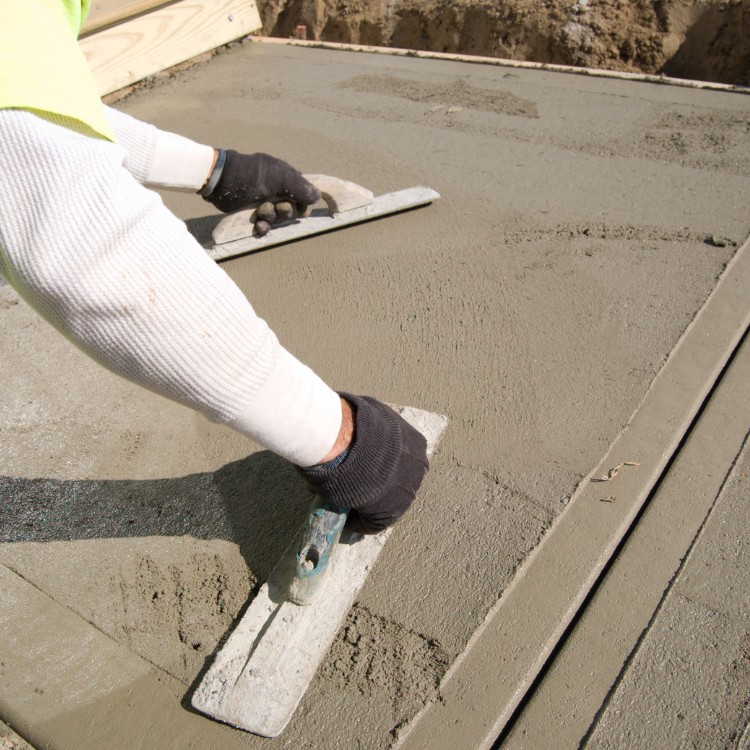
In addition to the mix itself, finishing techniques play an enormous role in how the patio looks and performs. Overworking the surface, especially with excess water, can weaken the top layer of the slab. This often leads to a dusty, chalky surface or peeling when exposed to weather. On the other hand, finishing too quickly or unevenly can leave trowel marks, rough patches, and inconsistent texture that collect dirt and water.
Homeowners in McKinney often want decorative finishes such as stamped concrete, colored concrete, or textured surfaces for added slip resistance. These options can be beautiful and functional, but only when done with the right timing and expertise. Attempting advanced finishes without experience is a fast way to end up with inconsistent color, blurred patterns, or surfaces that wear unevenly. TopCore Concrete understands the timing, tools, and curing requirements that decorative finishes demand in Texas weather.
Finally, curing is part of the finish that many people forget. Concrete gains strength over time and needs proper moisture and temperature conditions during that early period. Allowing the patio to dry out too quickly, exposing it to heavy use too soon, or skipping curing methods can reduce strength and make the surface more vulnerable to cracking. Choosing the right mix and finish, and then allowing it to cure properly, protects your investment and ensures the patio looks good and performs well for the long term.
Poor Layout, Size, And Function Planning
Even a structurally sound patio can feel like a mistake if the layout does not match how you actually live. A common planning error is underestimating the space needed for furniture, walkways, and gathering areas. What looks spacious on paper can feel cramped once a dining set, grill, and seating are in place. Many homeowners in McKinney find themselves wishing they had extended the patio just a few more feet in one direction after everything is finished.
Another layout pitfall is ignoring traffic patterns. If the patio forces people to walk around furniture, step through muddy grass to reach a gate, or squeeze between obstacles, it will be less enjoyable to use. Thoughtful design considers how people will move between the house, yard, pool, and any outdoor features like fire pits or kitchens. TopCore Concrete often helps clients visualize these paths so that the patio feels natural and convenient from day one.
Orientation and shade are also critical but often overlooked. A patio that bakes in the afternoon sun without any shade plan can become unusable during the hottest months. Conversely, placing the main seating area in a perpetually shaded, damp corner can encourage mildew and make the space feel cold or uninviting. Planning for pergolas, umbrellas, or future shade structures during the patio design phase helps avoid awkward retrofits or structural conflicts later.
Lastly, failing to coordinate the patio with future upgrades can be a major regret. If you think you might add an outdoor kitchen, hot tub, or additional seating area later, the initial patio design should account for those possibilities. That might mean planning for electrical conduits, gas lines, or additional slab sections from the start. When these considerations are built into the installation, expansion is easier and less disruptive. When they are ignored, homeowners often end up cutting into a relatively new patio or living with a layout that never quite works.
DIY Shortcuts And Hiring The Wrong Contractor
Concrete patios are sometimes treated as simple weekend projects, but the reality is that mistakes made in a single day can affect your yard for decades. DIY shortcuts, such as skipping compaction, guessing on mix ratios, or pouring without proper forms and reinforcement, often lead directly to the types of failures discussed above. While some homeowners have the experience and equipment to handle concrete work, many underestimate the precision required for a long-lasting patio.
On the other side, hiring the wrong contractor can be just as risky. Low bids that seem too good to be true often come from cutting corners on materials, preparation, or labor. Some installers may not be familiar with McKinney’s soil conditions or may use generic methods that work poorly on expansive clay. Others may rush through critical steps like base preparation, reinforcement placement, or curing to fit more jobs into their schedule, leaving you with the consequences later.
When you work with a specialized concrete company like TopCore Concrete, you benefit from experience specific to local conditions and building practices. That includes understanding how weather patterns affect pour scheduling, how to handle tricky slopes and transitions, and how to design patios that work with North Texas homes and yards. Reputable contractors are also transparent about materials, reinforcement, and thickness, so you know what is going under the surface, not just what you see on top.
Ultimately, the cost of doing it right the first time is almost always lower than the cost of repairing or replacing a failing patio. Avoiding DIY shortcuts and carefully selecting a qualified contractor are among the most important decisions you can make. A well-installed patio in McKinney should be a source of enjoyment, not a constant reminder of corners that were cut.
Frequently Asked Questions
Why do patios in McKinney crack so often? Patios in McKinney are built on expansive clay soils that swell when wet and shrink when dry, creating movement under the concrete. If the patio is not designed and installed with proper base preparation, reinforcement, and control joints, that movement often shows up as visible cracks. Temperature swings and heavy rain events add stress, so patios that ignore these local conditions are far more likely to crack prematurely.
How thick should a concrete patio be for long-term durability? For most residential applications, a concrete patio should have a consistent thickness that meets recommended standards for its intended use, often in the range of 4 inches or more, with adjustments for heavy loads like hot tubs or outdoor kitchens. The key is uniform thickness across the entire area, including edges, combined with appropriate reinforcement. TopCore Concrete evaluates the expected use and soil conditions to recommend the right thickness so the slab can handle both everyday use and the stresses of North Texas weather.
Can drainage problems be fixed after the patio is already installed? Some drainage issues can be improved after installation by adding surface drains, cutting channels, or adjusting the surrounding landscaping, but these are usually partial solutions. If the patio was poured completely flat or sloped toward the house, fully correcting the problem may require more extensive work, including sections being removed and re-poured. That is why planning slope and drainage correctly during the initial installation is so important; it is far easier and more cost-effective than trying to fix serious drainage problems later.
Is decorative concrete as durable as plain concrete? Decorative concrete, such as stamped or colored finishes, can be just as durable as plain concrete when installed properly with the right mix, reinforcement, and curing. Problems arise when decorative techniques are rushed, applied in the wrong weather conditions, or combined with weak mix designs. In McKinney, experienced installers like TopCore Concrete choose products and methods suited to outdoor exposure and local climate so that the decorative finish holds up to sun, rain, and temperature changes without premature fading or damage.
How do I know if my patio contractor is doing things the right way? A reliable contractor will clearly explain their process, including how they prepare the base, what thickness and reinforcement they use, and how they handle slope and drainage. They should be familiar with local soil conditions in McKinney and willing to answer detailed questions about materials and methods. Asking for references, viewing previous projects, and confirming that they are insured and experienced with concrete patios are all good steps. When a contractor takes time to plan and communicate, rather than rushing to pour, it is a strong sign that they are focused on long-term quality instead of short-term speed.