
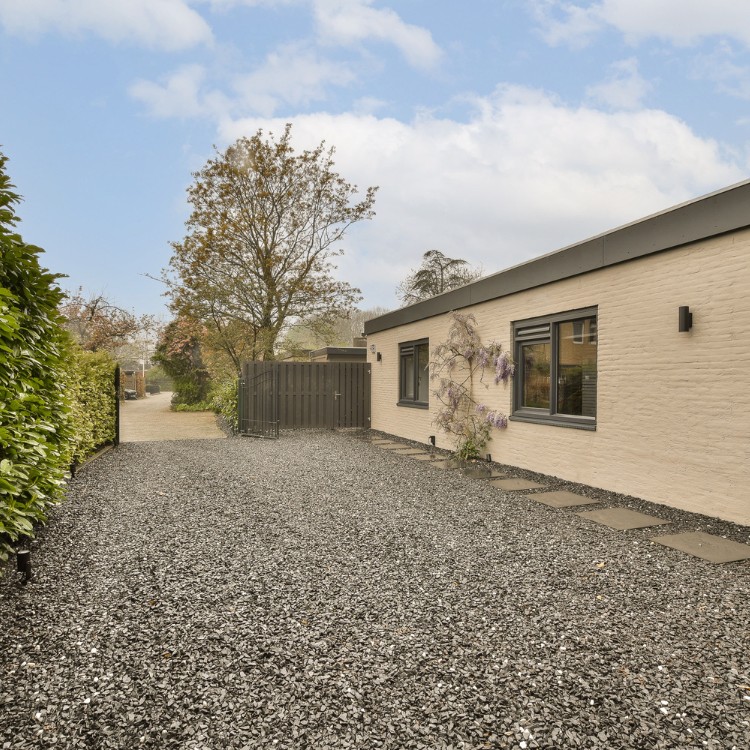
What separates a forgettable backyard from a patio that makes your neighbors stop and stare? It usually isn’t the price tag or the size of the space—it’s the planning, the details, and the quality of the installation. A patio that looks stunning on day one but cracks, sinks, or stains within a year isn’t a success. The real goal is to create an outdoor surface that looks polished, feels solid underfoot, and stands up to the Texas sun, storms, and everyday life.
Homeowners around McKinney, TX are increasingly turning backyards into true extensions of their living space, and the patio is the foundation of that transformation. Whether you’re picturing a sleek modern concrete slab, a textured stamped concrete surface, or a multi-level entertainment area, the installation process will determine how beautiful—and how durable—your patio really is. Working with a contractor like TopCore Concrete helps, but even then, understanding the key tips and decisions involved puts you in control of the final result.
From soil preparation to drainage, from thickness to finishing techniques, every step has a direct impact on how your patio looks and performs. The following guide walks through the most important patio installation tips for stunning results, tailored to the climate, soil conditions, and lifestyle needs of homeowners in and around McKinney.
Plan With Purpose
Before any concrete is poured, a stunning patio starts on paper. One of the biggest mistakes people make is thinking of a patio as just a rectangle of hard surface behind the house. Instead, start by asking how you actually plan to live on that patio. Will it be primarily for quiet morning coffee, large family cookouts, or a mix of lounging and dining? These questions influence size, shape, and layout more than any design trend.
In McKinney, TX, where outdoor living can be enjoyed much of the year, it’s smart to plan zones within the patio. For example, you might carve out an area for a dining table, a separate seating space around a fire pit, and an open transition area to the yard. TopCore Concrete often recommends sketching furniture layouts to ensure you allow enough circulation space around chairs, grills, and doors. A patio that is too small can feel cramped and cluttered, no matter how nice the finish is.
Sun exposure and shade are also critical planning considerations. The Texas sun can be intense, and a patio that bakes all afternoon may not get used as much as you think. Observe how the sun moves across your yard and consider where shadows fall from trees, fences, and your home. This helps you decide where to place the main seating area, whether to integrate shade structures, and what finishes might be more comfortable under bare feet.
Finally, think about how the patio ties into existing features: doors, walkways, landscaping, and pool areas. A truly stunning patio looks intentional, not like an afterthought. Aligning edges with windows, centering the space off a back door, or stepping the patio down to meet the yard can all create a more cohesive, custom feel that elevates the entire backyard.
Respect The Soil And Subgrade
Beautiful concrete starts below the surface. North Texas soils, including those around McKinney, are known for their expansive clay, which swells when wet and shrinks when dry. Ignoring this reality is a shortcut to cracks, settling, and uneven surfaces. TopCore Concrete focuses heavily on subgrade preparation because it’s one of the most important factors in long-term performance.
The first step is excavation to the proper depth. This usually means removing existing grass, roots, and loose topsoil so you’re not pouring concrete over organic material that will decompose and create voids. The depth should account for both the concrete thickness and the base material. Skipping this step or doing it halfway can cause sections of the patio to sink or heave differently over time.
Next comes the base. A compacted layer of crushed stone or gravel creates a stable platform for the slab and helps with drainage. In McKinney’s climate, a well-compacted base is especially important because it reduces the movement caused by wet-dry cycles in clay soils. The base should be installed in layers and mechanically compacted, not just dumped and raked. This is where a professional crew makes a huge difference, using the right equipment to achieve consistent compaction.
Finally, the subgrade must be leveled and checked for soft spots. Any area that feels spongy when walked on should be addressed before concrete is poured. Reinforcement, such as rebar or welded wire mesh, can also be added at this stage, depending on the patio design and expected loads. When the ground work is done correctly, the concrete above has a far better chance of staying smooth, level, and crack-free for years.
Get Drainage And Slope Right
One of the most overlooked patio installation tips is also one of the most visible once the project is complete: drainage. Water that sits on the surface of your patio or flows back toward your home can cause staining, slick spots, and even foundation issues. In a region that can see sudden heavy rains, like McKinney, proper slope and drainage design are non-negotiable for stunning, long-lasting results.
The patio surface should be subtly sloped away from the house—typically around 1/8 to 1/4 inch per foot. That may not sound like much, but it’s enough to encourage water to move off the slab without making the patio feel tilted. Achieving this requires careful formwork and leveling during installation. A good concrete contractor will mark reference points and check elevations repeatedly as the forms are set.
Beyond the basic slope, think about where the water is going. If your patio drains directly into low-lying areas of your yard, you may trade one problem for another. Strategic placement of drains, swales, or even a French drain system can help manage runoff. TopCore Concrete often coordinates with homeowners and landscapers to ensure the patio’s drainage plan works with the overall yard design instead of against it.
Attention to drainage also influences joint placement and surface finishes. Control joints can be placed in ways that encourage water to move along predictable paths, and certain textures provide better slip resistance when the patio is wet. When drainage and slope are handled thoughtfully, your patio not only looks better but also feels safer and functions more reliably through every season.
Choose The Right Thickness And Reinforcement
Not all patios are created equal, and neither are all concrete slabs. Thickness and reinforcement may not sound exciting, but they are fundamental to a patio’s strength and longevity. In most residential settings, a 4-inch-thick slab is common for standard patio use, but that’s just a starting point. If you plan to place heavy features like outdoor kitchens, hot tubs, or even occasional vehicle access, you may need thicker concrete or additional reinforcement.
Reinforcement options typically include rebar, welded wire mesh, or fiber reinforcement mixed into the concrete. Each has a role, and sometimes they are combined. Rebar, for example, is excellent for structural strength and is often placed in a grid pattern inside the slab. Fiber reinforcement helps control micro-cracking and can improve durability. TopCore Concrete evaluates the specific use and soil conditions of each McKinney project to recommend the right combination rather than relying on a one-size-fits-all approach.
Proper joint design works hand in hand with thickness and reinforcement. Concrete will crack—it’s a natural part of the curing and movement process—but you want those cracks to form in controlled, straight lines rather than randomly across the surface. Control joints are intentionally cut or formed into the slab at calculated intervals. Their placement should consider the patio’s shape, size, and any changes in thickness or load.
Ignoring these structural details can lead to visible, jagged cracks that distract from the beauty of any decorative finish you choose. By getting the fundamentals of slab design right, you create a strong canvas for all the aesthetic decisions that follow, from color and texture to borders and decorative saw cuts.
Dial In The Finish And Style
This is the part most homeowners get excited about: how the patio will actually look and feel. The finish you choose should match both your design vision and the way you’ll use the space. In McKinney, where patios are exposed to intense sunlight, occasional freezes, and plenty of foot traffic, durability and maintenance are just as important as appearance.
A simple broom finish is a classic choice, offering good slip resistance and a clean, understated look. For homeowners who want something more custom, stamped concrete can mimic the appearance of stone, brick, or wood without the maintenance and shifting issues that individual pavers can develop. TopCore Concrete can also incorporate color into the concrete mix or apply stains after curing to create rich, layered tones that complement your home’s exterior.
Texture is another crucial consideration. A surface that’s too smooth may become slippery when wet, while one that’s too rough can be uncomfortable on bare feet. In family-friendly backyards, a lightly textured or stamped finish often strikes the right balance. Borders, bands, or contrasting finishes can be used to frame the patio, define different zones, or highlight steps and edges for safety and style.
Remember that a stunning patio doesn’t need to shout; sometimes the most impressive results come from subtle, well-coordinated choices. Matching or coordinating colors with existing masonry, using patterns that align with your home’s architecture, and keeping the design cohesive from the back door to the yard all contribute to a polished, custom look that feels like it belongs.
Protect, Maintain, And Enhance
Once the concrete is placed and finished, the work isn’t quite over. How the patio is cured, sealed, and maintained will strongly influence its long-term appearance. Proper curing helps the concrete reach its intended strength and reduces the risk of early cracking or surface defects. In the North Texas climate, this might involve keeping the surface moist for a period or using curing compounds recommended by your contractor.
Sealing is another key step, especially for decorative or colored concrete. A high-quality sealer helps resist staining from spills, leaves, and outdoor cooking, and can enhance the color and depth of stamped or stained surfaces. TopCore Concrete typically recommends a sealer appropriate for the specific finish and exposure conditions in McKinney. Resealing every few years can keep the patio looking fresh and protect your investment.
Routine maintenance is simpler than many homeowners expect. Sweeping away debris, rinsing the surface periodically, and spot-cleaning stains before they set in are usually enough to keep a concrete patio in good shape. Avoid harsh de-icing chemicals in winter, as some can damage the surface over time. If minor cracks or chips appear, addressing them early can prevent more noticeable issues down the road.
Finally, think of your patio as the stage, not the entire show. Furniture, planters, lighting, and outdoor features bring the space to life. Well-placed lighting can highlight the texture of stamped concrete at night, while thoughtfully chosen furniture layouts help the patio feel welcoming and functional. When structure, finish, protection, and styling all work together, the result is a backyard space that feels truly complete.
Frequently Asked Questions
How thick should my concrete patio be for long-lasting results? For most residential patios in McKinney, TX, a 4-inch-thick slab is a common standard and works well for typical foot traffic and standard outdoor furniture. However, if you’re planning to place heavier loads on the patio, such as an outdoor kitchen, spa, or the occasional vehicle, your contractor may recommend increasing the thickness to 5 or 6 inches in specific areas or throughout. The soil conditions and intended use both factor into this decision. TopCore Concrete evaluates these elements on each project to design a slab that balances cost, performance, and longevity.
Do I really need a gravel base under my patio? Yes, in most cases a properly compacted gravel or crushed stone base is essential for a durable patio, especially in areas with expansive clay soils like McKinney. The base layer helps distribute loads, improve drainage, and reduce the impact of soil movement caused by moisture changes. Skipping the base or using un-compacted fill can lead to uneven settling, cracking, and low spots where water collects. A well-prepared base is one of the most important hidden components of a stunning, long-lasting patio.
How long should I wait before using my new patio? You can usually walk on a new concrete patio within 24–48 hours, but heavy use should be delayed. For placing furniture and normal household activities, many contractors recommend waiting about 5–7 days. If the patio will support particularly heavy items, it’s wise to wait a full 28 days, which is the typical time frame for concrete to reach most of its design strength. TopCore Concrete will provide specific guidance based on the mix used and the weather conditions at the time of your pour.
What’s the best finish for a low-maintenance patio? For a low-maintenance patio that still looks sharp, a standard broom finish or lightly textured surface is often ideal. These finishes are durable, slip-resistant, and easy to clean with simple sweeping and occasional rinsing. If you prefer a more decorative look, stamped or colored concrete can still be relatively low-maintenance when properly sealed and periodically resealed. Discussing your lifestyle, shade conditions, and maintenance expectations with your contractor helps match the finish to your needs while keeping upkeep manageable.
Can a new patio help with drainage issues around my home? Yes, when designed correctly, a new patio can actually improve drainage instead of making it worse. By sloping the surface away from the house and planning where runoff will go, your patio can help direct water away from your foundation and problem areas in the yard. In some cases, integrating drains, swales, or complementary solutions like Slab Foundations and grading adjustments can further enhance drainage performance. TopCore Concrete pays close attention to these details so your patio becomes part of the solution to water management, not a new source of headaches.