
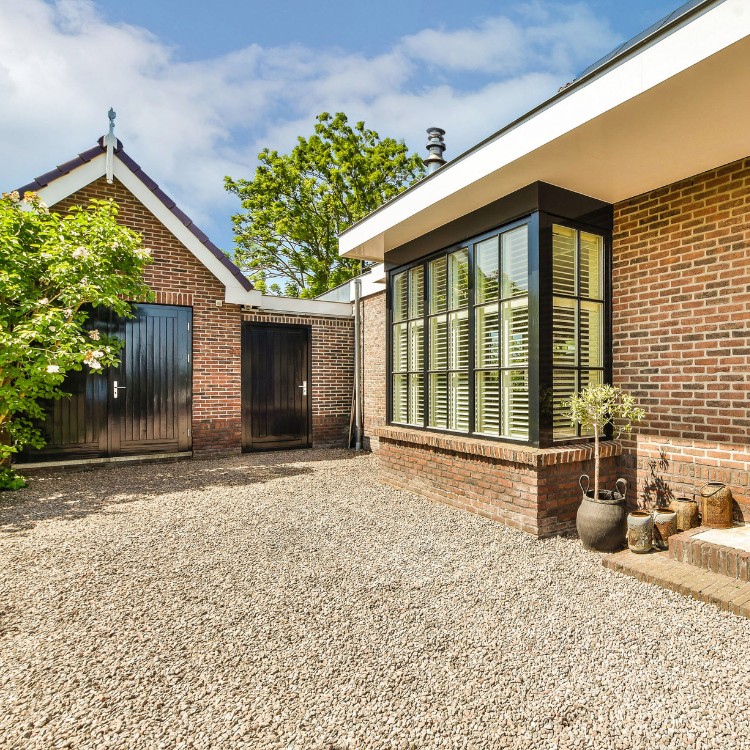
The first sign is usually the sound. Instead of a smooth roll onto your property, your tires crunch through loose rock, dip into ruts, and toss dust into the air. After a Texas rainstorm, that same driveway in McKinney turns into muddy channels where water cuts through like a creek bed. What once felt like a simple, low-maintenance surface now looks worn, uneven, and frustrating to drive or walk on. That is the moment many homeowners realize they do not just need more gravel—they need a quality gravel driveway solution that is properly planned, installed, and built to last.
A gravel driveway can be an excellent choice for North Texas properties, but only when the right materials, base, and drainage are used. Poorly installed gravel driveways wash out, develop deep potholes, and scatter rock into lawns and flower beds. A well-designed gravel system, on the other hand, feels firm under your tires, sheds water in the right direction, and complements the look of your home. For property owners in McKinney, TX, working with a team like TopCore Concrete that understands local soils, weather patterns, and elevation changes can mean the difference between constant patchwork and a driveway that actually improves your property’s value and curb appeal.
Quality gravel driveway solutions are not just about dumping rock and spreading it around. They involve evaluating the subgrade, choosing the correct gravel blends, installing a stable base, and designing for long-term drainage and maintenance. Whether you are upgrading an existing driveway that has seen better days or planning a new access road for a growing property, it pays to approach gravel as a complete system rather than a quick fix.
Why Gravel Driveways Fail
Many gravel driveways in and around McKinney start out looking acceptable but degrade quickly because of shortcuts taken during installation. One of the biggest issues is insufficient base preparation. When gravel is spread directly over soft clay, organic soil, or poorly compacted fill, the driveway will inevitably settle unevenly. As vehicles pass over the same tracks, the weight pushes gravel into the soft spots, creating ruts and low areas that collect water. Once water sits on the surface, it accelerates the breakdown of the driveway.
Another common reason for failure is using the wrong type of gravel. Not all rock is created equal. Smooth, rounded stone does not interlock well and tends to shift and roll, while overly fine material can turn to mud when wet. Homeowners sometimes choose whatever is cheapest or most readily available, but that often means using a single layer of loose stone that cannot resist traffic. A quality gravel driveway solution uses specific layers: a base, a middle layer, and a top dressing, each with its own role in stability and drainage.
Drainage mistakes also play a major role in gravel driveway problems. If the driveway is flat or slopes toward the house, water will pool or run in the wrong direction, washing gravel away and undermining the base. In McKinney’s unpredictable storms, that can mean significant erosion in just one season. Without proper grading, crown, and sometimes additional drainage features such as side ditches or culverts, even the best gravel will not perform well. These issues are avoidable when the driveway is designed thoughtfully from the start.
Building A Solid Gravel Base
A long-lasting gravel driveway starts below the surface. Before a single load of rock is delivered, the subgrade needs to be evaluated and prepared. In North Texas, that often means dealing with expansive clay soils that shrink and swell with moisture changes. TopCore Concrete understands how these local soil conditions affect driveways and will typically begin by stripping away soft topsoil, organic matter, and any unstable fill materials. The goal is to reach a firm, compactable layer that can support the weight of vehicles year-round.
Once the subgrade is established, compaction becomes crucial. Using mechanical compactors or rollers, the soil is compressed to reduce future movement. In some cases, a geotextile fabric is laid down to separate the soil from the base rock and provide added stability, especially in areas with chronic moisture or soft spots. This fabric helps prevent the base rock from sinking into the soil over time, maintaining the structural integrity of the driveway. It is a small step that can dramatically extend the life of the surface above.
The base layer itself is typically constructed from a crushed stone product with a mixture of sizes, often referred to as road base or flex base in the McKinney area. These blends contain both larger aggregate and fines that compact tightly when rolled. TopCore Concrete carefully spreads this base layer to a specific thickness, then compacts it in lifts, creating a dense, supportive platform. This is the structural backbone of the driveway and is essential for preventing rutting, potholes, and washouts.
Choosing The Right Gravel Mix
With the base in place, the next step is selecting the appropriate gravel for the surface and intermediate layers. Quality gravel driveway solutions rely on a combination of materials rather than a single rock type. A mid-layer of slightly smaller crushed stone often goes on top of the base to help refine the surface and further lock everything together. This layer also assists in drainage, allowing water to move through the driveway rather than sit on top.
The top layer, or wearing surface, is where both function and appearance come into play. In McKinney, TX, homeowners often prefer a clean, uniform look that complements their home and landscape. Crushed limestone, decomposed granite, or select crushed stone blends can all work well when chosen correctly. The key is to use angular rock that interlocks and compacts, not smooth river rock that can roll underfoot and under tires. TopCore Concrete takes into account traffic levels, slope, and aesthetic preferences when recommending the right top layer material.
Another factor to consider is dust and loose rock. Very fine materials may compact nicely, but they can generate dust in hot, dry Texas summers. Larger rock reduces dust but may scatter more easily. A balanced approach, using a well-graded mix and proper compaction, helps minimize both issues. In some cases, a binding agent or stabilizer can be used to help lock the surface layer in place, especially on steeper driveways or high-traffic areas where additional durability is needed.
Designing For Drainage And Longevity
Even the best gravel and base will fail prematurely if water is not managed correctly. A quality gravel driveway solution in McKinney must be designed with the local climate in mind, where heavy downpours can arrive quickly and saturate the ground. Proper driveway design includes creating a slight crown, where the center of the drive is higher than the edges, so water naturally sheds to the sides instead of pooling in the wheel tracks. This simple shape dramatically reduces erosion and rutting.
In addition to crown, side ditches or swales may be needed to carry water away from the driveway and out toward a safe drainage area. On longer or sloped driveways, culverts under the drive can allow water to pass from one side to the other without washing over the surface. TopCore Concrete evaluates the surrounding landscape, existing drainage paths, and elevation changes to incorporate these features where necessary. The goal is to work with the natural flow of water, not fight against it.
Longevity also depends on planning for realistic use. A narrow driveway meant for occasional car traffic may not hold up if heavy trucks or trailers use it regularly. During the design phase, it is important to consider current and future needs: delivery trucks, RVs, boat trailers, or construction equipment. Adjusting the base thickness, gravel type, and width to match expected loads will help prevent premature failure. By tailoring the driveway to real-world conditions, TopCore Concrete can deliver a surface that holds up year after year.
Maintenance That Actually Works
One of the advantages of gravel driveways is that they are maintainable and repairable without complete replacement. However, maintenance is most effective when the driveway is built correctly from the start. For well-constructed gravel driveways in McKinney, ongoing care usually involves periodic grading, filling low spots, and adding a fresh top layer when needed. This kind of maintenance is straightforward and far less costly than dealing with chronic structural problems caused by a poor initial installation.
Regular inspections after heavy rains or seasonal changes can catch small issues before they become major headaches. If water begins to pool in certain spots, adjusting the crown or adding a bit of extra gravel and compaction can restore proper drainage. When ruts appear, they should be filled and compacted rather than simply covered; pushing gravel back into place with appropriate equipment helps maintain the integrity of the surface. TopCore Concrete can provide guidance on maintenance schedules or offer professional regrading services to keep driveways in top condition.
Over time, some loss of gravel is inevitable, especially at the edges and where tires routinely turn. Replenishing the top layer every few years not only improves appearance but also protects the base from exposure. Compared with resurfacing or replacing other driveway types, this kind of maintenance is relatively affordable and flexible. For many McKinney homeowners, that combination of performance, cost-effectiveness, and serviceability is what makes a quality gravel solution so appealing.
Why Work With TopCore Concrete
While gravel might seem simple on the surface, getting a driveway to perform well in real-world conditions involves a lot of experience and attention to detail. TopCore Concrete brings a concrete contractor’s understanding of structure, compaction, and grading to gravel projects throughout McKinney, TX and nearby communities. That means every gravel driveway is treated as a small-scale roadway, not just a layer of rock spread over dirt. The company’s familiarity with local soils, neighborhood standards, and city or county requirements helps ensure that your driveway is both functional and compliant.
TopCore Concrete also takes a consultative approach. Instead of a one-size-fits-all package, they assess the property, listen to how you use your driveway, and recommend a combination of base thickness, gravel types, and drainage features that match your needs. Whether you are upgrading a short residential drive, building a long rural access road, or improving parking areas, they can design a solution that balances budget, durability, and appearance.
Because TopCore Concrete also specializes in concrete work, they understand how gravel driveways interact with concrete pads, sidewalks, and garage slabs. Transitions between gravel and concrete are common failure points when not handled correctly. Proper grading, edge control, and base tie-ins help prevent undermining and erosion at those junctions. When you work with a team that understands both materials, your entire entry system—from gravel approach to concrete parking—can function as one well-integrated structure.
Frequently Asked Questions
How long does a quality gravel driveway last in McKinney, TX? With proper installation and periodic maintenance, a well-built gravel driveway can perform effectively for 10–20 years or more. The base structure, if constructed correctly with compacted road base and good drainage, often lasts decades. What typically needs attention over time is the top layer, which may require replenishing every few years depending on traffic and weather. In McKinney’s climate, where heavy rain and hot summers can be tough on surfaces, investing in good base preparation and drainage up front is the key to long-term performance.
Will a gravel driveway cause dust and loose rock everywhere? Poorly designed gravel driveways can be dusty and messy, but a properly installed surface minimizes those issues. Using the right blend of angular rock, compacting it thoroughly, and maintaining an adequate thickness of top material all help keep stone in place. In some situations, a stabilizing agent or specific gravel mix can be chosen to further reduce dust. TopCore Concrete evaluates your property’s exposure to wind, sunlight, and traffic to recommend a solution that balances firmness, drainage, and dust control.
Can my old rutted gravel driveway be repaired, or does it need to be rebuilt? The answer depends on what is happening beneath the surface. If your existing driveway has a reasonably solid base and the issues are limited to surface ruts and potholes, regrading and adding new gravel may be enough. However, if water stands on the driveway, the base feels soft, or the driveway sinks noticeably in certain areas, those are signs the underlying structure is failing. In those cases, TopCore Concrete may recommend partial or full reconstruction of the base to correct drainage and restore stability, ensuring that new gravel will not simply suffer the same fate.
How wide and thick should my gravel driveway be? For a typical residential driveway in McKinney, a width of 10–12 feet is common for single-lane access, while 16–20 feet may be preferred where vehicles need to pass or turn more comfortably. Thickness depends on soil conditions and expected loads, but many quality gravel driveways use a combined base and surface thickness of 6–12 inches. Heavier traffic, soft soils, or steep slopes may require more. TopCore Concrete will assess your specific site and intended use to recommend appropriate dimensions for both safety and longevity.
Is gravel a good choice compared with concrete or asphalt? Each driveway material has its place. Gravel is often more affordable initially than concrete or asphalt and offers excellent drainage and flexibility, especially on larger or rural properties. It is also easier to repair and modify as your property changes. Concrete and asphalt provide smoother, harder surfaces and may be preferable right at the home or in high-visibility areas. Many McKinney homeowners choose a combination: gravel for longer runs or secondary access, and concrete near garages, patios, or entryways. TopCore Concrete can help you plan a hybrid solution and handle both the gravel and concrete portions, including transitions and integrated design. To explore options, you can learn more about their Driveways services and how they tailor each project to the property.