
Most people judge a slab foundation by how it looks on the surface: smooth finish, straight edges, maybe a quick glance at hairline cracks. The real quality, however, has far more to do with what you cannot see—soil preparation, steel layout, moisture control, and how well the slab is matched to the specific site conditions in places like McKinney, TX. A foundation can look clean and new on day one and still be quietly setting itself up for movement, cracks, and expensive repairs a few years down the road.
Another common misconception is that all slabs are more or less the same and that “concrete is concrete.” In reality, a quality slab foundation is a carefully engineered system that starts with understanding local clay soils and weather patterns, then moves into design, reinforcement, thickness, drainage, and finishing techniques. When you know what to look for, you start to see big differences between a basic pour and a professionally designed slab from a contractor like TopCore Concrete that truly understands North Texas conditions.
If you are building a new home, planning an addition, or adding a workshop or outdoor living space in McKinney, the foundation choices you make now will either protect that investment or quietly undermine it. The goal of this guide is to help you look past the surface and recognize the signs of a quality slab foundation before you sign a contract or approve a pour. With the right questions and a clear checklist, you can quickly separate careful craftsmanship from corner-cutting.
Know Your Soil
Quality slab foundations in McKinney start long before concrete trucks arrive; they start with the soil. Much of Collin County sits on expansive clay that shrinks when it is dry and swells when it is wet. This constant movement is one of the main reasons foundations crack and shift in North Texas. A contractor who treats McKinney soil the same as dry sandy soil from another region is almost guaranteed to deliver a foundation that will move more than it should.
When evaluating a foundation contractor, ask how they assess your soil. A quality-focused company will talk about soil tests, load-bearing capacity, and how deep they need to remove or condition the native soil. They should be able to explain, in plain language, what type of soil is on your lot and how that influenced the foundation design. If the answer is vague or dismissive, that is a red flag that not enough thought is going into the foundation’s relationship with your ground.
Proper site preparation is equally important. Look for a clear plan for removing organic material like roots and topsoil, compacting the subgrade, and possibly importing select fill material. The pad should be built up and compacted in layers, not just dumped and spread. TopCore Concrete, for example, will focus on creating a uniform, well-compacted base so the slab sits on a consistent platform rather than a patchwork of soft and hard spots. That uniformity under the slab is a major factor in how well it resists differential movement over time.
Design, Thickness, And Rebar
Once the soil is understood, the next sign of a quality slab foundation is a thoughtful structural design. In residential construction, people often assume the builder or contractor is following a standard pattern. In reality, a serious foundation contractor will work with engineering guidelines or a specific engineering design for your project. This design will specify slab thickness, beam depth, rebar size and spacing, and where additional reinforcement is needed for heavy loads or transitions between interior and exterior spaces.
Ask specific questions: How thick will the slab be at the thinnest point? What is the depth and width of the perimeter and interior beams? What size rebar is being used, and how far apart is it spaced? In North Texas, it is common to see post-tension slabs, but many projects still use conventional rebar. In either case, you want to see a clear plan, not guesswork in the field. A quality slab in McKinney will often include thickened beams around the perimeter and under load-bearing walls to help resist soil movement and support the structure above.
Rebar placement is something you can visually check before the pour. The steel should be tied securely, supported on chairs or spacers so it sits in the correct position within the slab rather than lying directly on the ground. Overlaps (splices) should be long enough to transfer loads properly. Rebar should not be rusted to the point of flaking, and it should be arranged in a consistent grid or pattern that matches the plan. A contractor like TopCore Concrete will invite you to see the steel layout and explain how it supports the long-term stability of your foundation rather than rushing to cover it up with concrete.
Moisture, Drainage, And Vapor Barriers
In McKinney, where summer heat bakes the ground and sudden storms can dump inches of rain, controlling moisture around your slab is critical. Quality slab foundations are not just about thickness and steel; they are also about how well the foundation is protected from water above and below. Poor drainage can cause soil to swell on one side of the house more than the other, creating tilt and stress. Likewise, moisture wicking up from below the slab can lead to flooring issues and long-term deterioration.
One key feature to look for is a properly installed vapor barrier, typically a thick plastic membrane placed under the slab. This barrier helps prevent moisture from moving up through the concrete and into your home or garage. Ask if a vapor barrier is included, what thickness it is, and how seams and penetrations will be handled. It should be continuous, with overlaps taped or sealed, and it should not be torn or riddled with holes from careless traffic during preparation.
Surface drainage is just as important. A quality contractor will grade the site so water flows away from the foundation on all sides. This might include swales, gentle slopes, and attention to where downspouts will discharge. Around patios, driveways, and additions, TopCore Concrete will look at how water will move during a heavy storm and adjust the design or grading plan. A slab that sits in a low spot or has soil sloping toward it is a recipe for moisture problems and soil movement, even if the concrete itself was poured perfectly.
Concrete Mix, Pour, And Finishing
The concrete itself is the part most people focus on, but even here there are important quality markers beyond “wet gray stuff in a truck.” A quality slab foundation starts with a mix design appropriate for the project: adequate strength (measured in PSI), the right aggregate size, and admixtures if needed for workability or weather conditions. In the Texas heat, for example, contractors often need to manage set times carefully so the concrete does not dry too fast and weaken the surface.
Ask what strength concrete is being used for your slab and whether the supplier is a reputable ready-mix company. For residential slabs in McKinney, a common strength is 3000–4000 PSI, but the exact specification should match your engineering or design needs. You can also ask how many trucks will be needed and how long the pour is expected to take. A well-organized pour with enough manpower helps ensure the slab is placed and finished before the concrete starts to set unevenly.
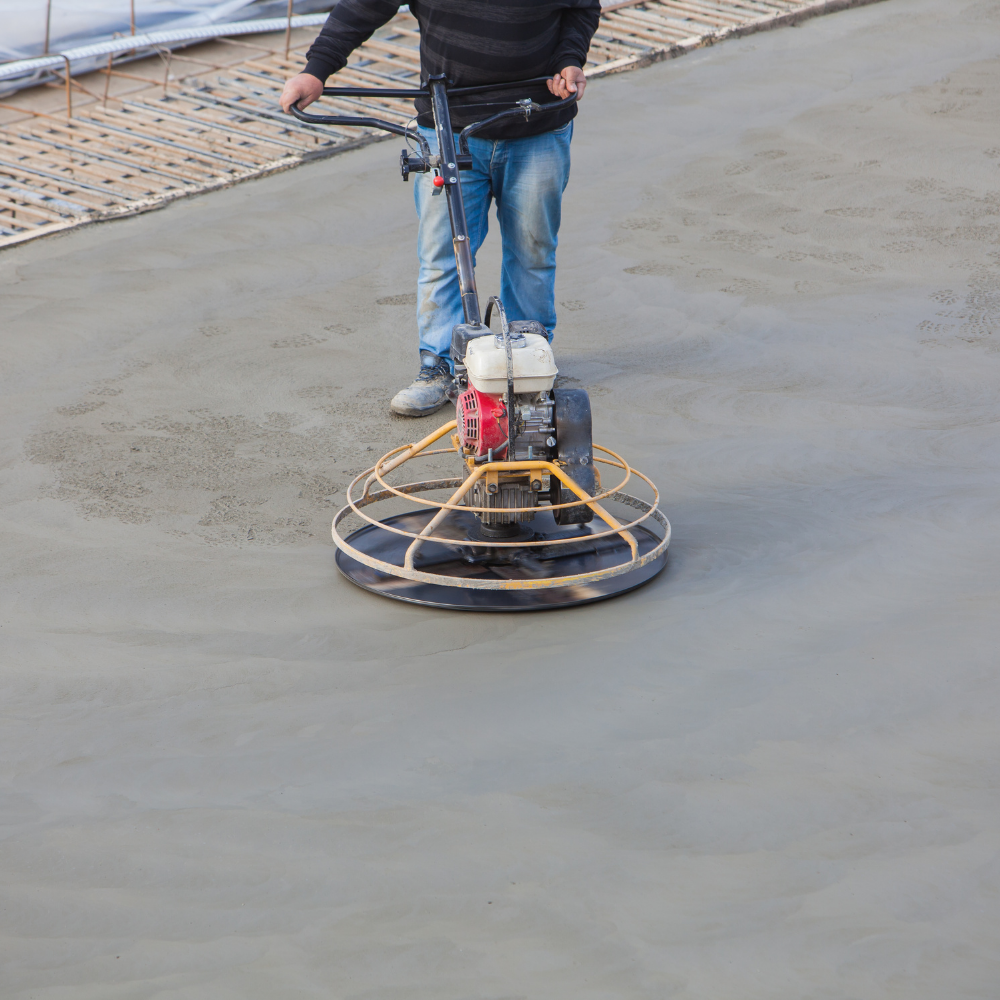
The finishing process is another area where you can see the difference between a rushed job and a careful one. After the concrete is placed and leveled, it should be screeded, floated, and finished according to the planned surface (broom finish, troweled finish, etc.). Overworking the concrete with too much water on the surface can weaken the top layer, making it more prone to dusting and spalling. A quality contractor like TopCore Concrete will pay attention to timing, weather, and finishing techniques, aiming for a slab that not only looks good on day one but maintains its surface strength for years.
Curing, Joints, And Crack Control
Every slab will crack to some degree; the goal is to control where and how it happens. This is where curing practices and control joints come in. Proper curing keeps the concrete from losing moisture too quickly, which reduces shrinkage cracks and increases strength. In McKinney’s hot, often windy climate, simply pouring and walking away can lead to excessive cracking and a weaker foundation than necessary.
Ask your contractor how they plan to cure the slab. Common methods include keeping the surface damp, using curing compounds, or covering with curing blankets in extreme conditions. The key is consistency over the first several days after the pour. When a contractor takes curing seriously, it is a strong indicator they are focused on long-term performance, not just getting through the job.
Control joints are deliberate cuts or weakened planes in the slab that encourage cracks to form in straight, planned lines rather than random patterns. These joints need to be placed at the right spacing and depth, typically within the first 24 hours of the pour. Look for a clear joint layout and ask why joints are placed where they are. A thoughtful joint pattern around doorways, corners, and transitions can dramatically improve the appearance and performance of the slab over time.
Contractor Quality, Communication, And Local Expertise
Even the best design is only as good as the people who execute it. One of the most important things to look for in a quality slab foundation is the mindset of the contractor installing it. Are they willing to explain their process? Do they encourage you to inspect the site before and after steel placement? Do they have experience specifically in McKinney and the surrounding North Texas area, where soil movement is a constant concern?
Local expertise matters because it shapes the small decisions that do not always show up on a blueprint. A contractor like TopCore Concrete has seen how McKinney’s clay soils respond during drought years, wet seasons, and rapid temperature swings. That experience turns into practical measures: adjusting beam depth in certain neighborhoods, recommending specific drainage solutions, or suggesting slight changes in slab thickness where past projects have revealed patterns of movement.
Communication is another quality marker. A reliable contractor will provide clear written proposals, explain what is included (and what is not), and set realistic expectations about timelines and weather delays. They will welcome questions about soil prep, rebar, mix design, and curing rather than brushing them off. When you see that level of openness, it is usually tied to pride in their work and confidence in their process. Whether you are planning a new home foundation, a shop slab, or a large outdoor living area with features like a Patio Installation, that communication helps ensure the finished slab truly supports how you intend to use the space.
Frequently Asked Questions
How thick should a quality slab foundation be in McKinney, TX? The ideal thickness depends on the design and load requirements, but many residential slabs in McKinney are at least 4 inches thick at the thinnest point, with much deeper perimeter and interior beams. The beams might be 18–30 inches deep or more, depending on soil and structural needs. What you want to see is a clear engineering or design specification that matches your project, not a one-size-fits-all answer. Ask your contractor for the beam layout and minimum slab thickness in writing so you know exactly what is being installed.
Are hairline cracks in a slab foundation always a problem? Not necessarily. Concrete naturally shrinks as it cures, and small, hairline cracks are common, especially on large surfaces. The key is understanding the type, location, and pattern of the cracks. Straight cracks that follow control joints are usually expected and not a concern. Random, wide, or rapidly growing cracks can signal issues like poor soil prep, lack of reinforcement, or drainage problems. If you see cracks wider than the thickness of a credit card or notice doors and windows sticking, it is worth having a professional like TopCore Concrete evaluate the situation.
What questions should I ask a foundation contractor before hiring them? Ask how they handle soil evaluation and preparation, what type and size of reinforcement they use, and whether they follow an engineered design. Inquire about slab thickness, beam depth, and concrete strength (PSI). Ask for details on vapor barriers, drainage planning, curing methods, and control joint placement. Finally, ask about their experience specifically in McKinney and request references from recent projects. The way they answer these questions will quickly reveal whether they prioritize quality or simply aim to be the lowest bid.
How important is drainage around my slab foundation? Drainage is critical in North Texas, where expansive clay soils are very sensitive to moisture changes. Poor drainage can cause one side of the slab to stay wetter than the other, leading to uneven swelling, tilting, and cracking. Quality slab foundations are paired with thoughtful grading, proper slope away from the structure, and smart placement of downspouts and landscape features. Even the best-engineered slab can struggle if water is constantly pooling near the foundation, so drainage should be part of both the original plan and your long-term maintenance.
Can a quality slab foundation reduce future repair costs? Yes. A well-designed, properly reinforced, and carefully installed slab foundation is one of the best investments you can make in preventing costly structural repairs later. While no foundation can completely eliminate movement in expansive clay soils, a quality slab significantly reduces the amount and severity of that movement. It also helps keep cracks manageable and protects finishes like flooring and masonry. Partnering with an experienced local contractor such as TopCore Concrete in McKinney, TX increases the odds that your foundation will perform well for decades, saving you money and stress over the life of your home or project.