
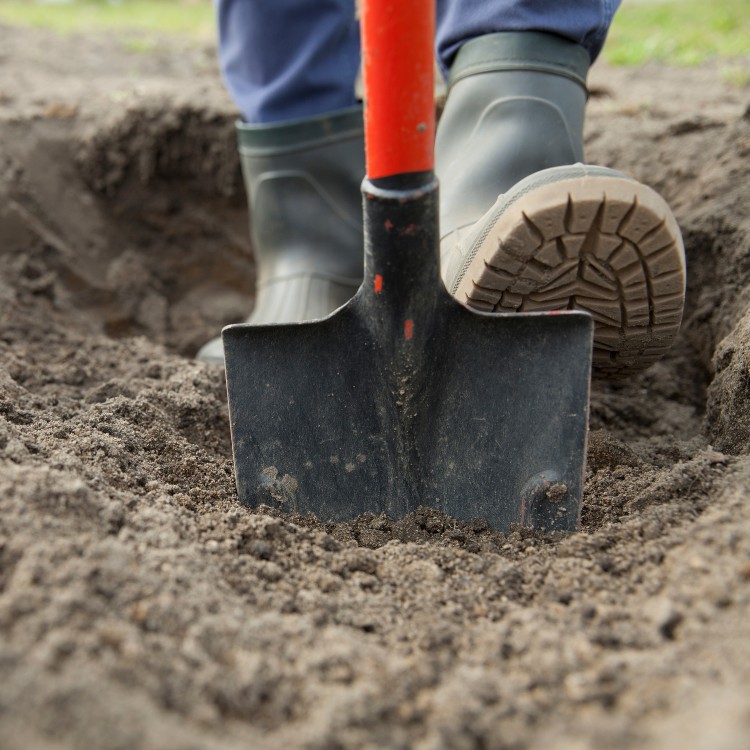
The first time a homeowner in McKinney watches a heavy Texas thunderstorm roll across their sloped backyard, they often notice the same thing: the soil doesn’t stay put. Mulch drifts downhill, muddy channels carve through the lawn, and flowerbeds become small rivers. After a few storms, that gentle slope can start to look like a problem, not a feature. This is usually when the idea of a retaining wall stops being a decorative option and becomes a real solution for stability and safety.
Retaining walls are more than stacked blocks or poured concrete along the edge of a yard. They are engineered structures designed to hold back soil, manage water, and create usable, level spaces on land that naturally wants to move. In a place like McKinney, TX, where clay soils expand and contract and sudden heavy rains are common, a properly built retaining wall can be the difference between a stable landscape and one that slowly slides toward your house or patio. When done right, retaining walls quietly protect your property every day, even when you do not notice them working.
TopCore Concrete understands that a retaining wall is both a functional necessity and a visual feature. A well-designed wall protects foundations, patios, driveways, and outdoor living areas, while also framing gardens and defining spaces. It is not just about blocking erosion; it is about enhancing the layout, safety, and appearance of your entire landscape. For many properties in McKinney, retaining walls are the backbone that makes everything else possible.
Why Retaining Walls Matter
Retaining walls solve a problem most properties with elevation changes eventually face: gravity. Soil is constantly trying to move downhill, especially when it becomes saturated during storms. Over time, this movement can undermine patios, crack sidewalks, and cause fence posts or decks to tilt. By creating a solid barrier that resists this lateral pressure, a retaining wall keeps soil where it belongs and reduces the risk of long-term structural damage around your home.
In McKinney, the local soil composition intensifies this issue. Many areas have expansive clay, which swells when wet and shrinks when dry. This repeated cycle puts pressure on anything built nearby, including foundations and flatwork. A properly engineered retaining wall, especially one constructed with reinforced concrete or high-quality concrete blocks, is designed to handle these forces. TopCore Concrete takes these local soil behaviors into account, ensuring that the wall is not just strong on day one, but remains reliable through years of Texas weather.
Retaining walls also play a key role in protecting landscaping investments. Without a stable structure, carefully planned plant beds, sod, and decorative rock can wash away in a single season. By terracing a steep yard with multiple retaining walls, you can create level planting areas that hold moisture better and resist erosion. This not only makes your outdoor space more beautiful and usable, it also means your time and money spent on landscaping are better protected.
How Retaining Walls Enhance Usable Space
One of the most overlooked benefits of retaining walls is how they transform sloped or awkward yards into practical, usable spaces. Many homes in McKinney sit on lots where the backyard quickly drops off or rises sharply. Without intervention, these areas are hard to mow, difficult to landscape, and almost impossible to use for entertaining. A series of well-placed retaining walls can turn that incline into flat terraces suitable for patios, play areas, gardens, or outdoor kitchens.
Imagine a steep backyard that currently only supports a patch of grass and a few struggling shrubs. By installing a retaining wall at the midpoint of the slope, you can create a wide, level platform. That new space can become a seating area with a fire pit, a safe play zone for children, or a vegetable garden that does not wash away with every rain. Add another wall higher up, and you now have a multi-level yard that feels intentional and designed, rather than just a hill behind the house.
Retaining walls can also help define different zones in your outdoor living environment. You might use one wall to create a raised planting bed behind a patio, another to separate a driveway from a side yard, and a third to frame a pool deck. Each wall contributes to the structure and organization of the property, making it easier to move through and more enjoyable to use. TopCore Concrete works with homeowners to understand how they actually live outside, then designs walls that support those activities instead of just filling empty space.
For properties with limited square footage, gaining even a few extra flat feet can make a major difference. A narrow, sloping side yard can become a functional walkway with the help of a low retaining wall and some well-placed steps. A front yard with a sharp drop to the sidewalk can be reshaped into a tiered landscape that adds curb appeal and a sense of depth. These changes not only improve daily use but can also positively affect property value by making the lot feel larger and better organized.
Types of Retaining Walls Used Locally
Not all retaining walls are built the same way, and choosing the right type is essential for long-term performance. In McKinney, the most common options include poured-in-place concrete, concrete block systems, and occasionally natural stone or timber for specific aesthetic goals. Each style has its strengths, and TopCore Concrete helps match the wall design to the conditions of your property and the look you want to achieve.
Poured concrete retaining walls are known for their strength and design flexibility. They are especially useful for taller walls or locations where space behind the wall is limited. Because they are formed and poured on-site, they can follow curves, angles, or unique property lines. With the right finishing techniques, they can be left smooth, textured, or even faced with stone or decorative elements to soften the look while maintaining structural integrity.
Segmental concrete block retaining walls are another popular option, particularly for residential landscapes. These systems use interlocking blocks that are designed to stack securely and often incorporate geogrid reinforcement behind the wall for added stability. They offer a clean, modern appearance and come in various colors and textures. For many homeowners in McKinney, this type of wall strikes the best balance between cost, appearance, and performance, especially for medium-height walls around patios, driveways, or garden terraces.
Natural stone and timber walls can add a rustic or organic feel to a property, but they must be approached carefully to ensure they can withstand local soil and weather conditions. Stone walls, when properly engineered and supported, can be both beautiful and durable, though they may be more labor-intensive. Timber walls have a warmer appearance but are generally better suited for lower heights and shorter lifespans due to potential rot and insect issues. TopCore Concrete typically recommends concrete-based solutions for long-term stability in McKinney, but can incorporate other materials where they make sense aesthetically and structurally.
Engineering, Drainage, and Durability
A retaining wall’s appearance is only one part of the story. The real success lies in what you cannot see: the foundation, reinforcement, and drainage behind the wall. Many retaining wall failures are not due to weak materials, but to poor planning and lack of proper water management. When rainwater accumulates in the soil behind a wall, it increases pressure and can cause bulging, cracking, or collapse over time. That is why professional design and installation are so critical.
TopCore Concrete pays close attention to base preparation and footing design. A stable, compacted base layer supports the wall and prevents uneven settling. For taller or heavily loaded walls, steel reinforcement and deeper footings may be required. These elements work together to resist the lateral forces of the soil and ensure the wall remains aligned and level through seasonal changes and heavy weather events.
Drainage design is another crucial component. A well-built retaining wall in McKinney will typically include gravel backfill, perforated drain pipes, and weep holes or other outlets to allow water to escape. This combination reduces hydrostatic pressure and helps keep the soil behind the wall drier and more stable. Without this attention to drainage, even the strongest-looking wall can fail prematurely, especially in an area that experiences intense rainstorms like North Texas.
Durability also involves planning for movement in the surrounding environment. Expansive clay soil, tree roots, nearby structures, and even traffic loads can influence how a wall behaves over time. By considering these factors during design and choosing the right construction methods, TopCore Concrete builds retaining walls that are ready for the real conditions they will face, not just ideal scenarios. This careful approach protects both the wall itself and the nearby features it is meant to support.
Design, Aesthetics, and Property Value
While retaining walls are fundamentally functional, their visual impact on your property is significant. A plain, utilitarian wall can solve an erosion problem but do little to enhance curb appeal. On the other hand, a thoughtfully designed wall can become a focal point that frames your home, complements your architecture, and ties your landscape together. In McKinney’s neighborhoods, where outdoor living is a big part of daily life, the look of your retaining walls matters.
Design choices include wall height, layout, surface finish, and integration with other landscape features. A low retaining wall along a front yard can double as casual seating. A taller wall might be softened with built-in planters, lighting, or contrasting textures. TopCore Concrete can coordinate wall design with patios, walkways, and even parking Lots to create a cohesive overall appearance. Color and pattern options in modern concrete products also allow you to echo tones from your home’s brick, stone, or siding.
From a property value standpoint, retaining walls contribute in several ways. First, they protect existing structures and improvements from erosion and soil movement, preserving your investment. Second, they increase the usable square footage of your outdoor space, which buyers often notice immediately. Third, a well-designed wall system signals that the property has been thoughtfully maintained and engineered, which can be a strong selling point in a competitive market like McKinney.
Retaining walls also offer an opportunity to express personal style. Some homeowners prefer clean, contemporary lines with smooth concrete surfaces, while others gravitate toward a more natural, terraced look with textured blocks and lush plantings. The key is balancing personal taste with practical needs. TopCore Concrete helps homeowners find that balance so the final result is both attractive and appropriate for the site conditions.
Working With a Local Concrete Specialist
Because retaining walls are structural elements that must cope with soil, water, and weather, choosing an experienced local contractor is essential. McKinney’s specific climate and soil patterns are familiar territory for a company like TopCore Concrete, which designs walls with these conditions in mind. This local knowledge helps avoid common pitfalls, such as underestimating soil pressure, mismanaging drainage, or using materials ill-suited for the environment.
The process usually begins with a site evaluation, where slope, soil type, existing structures, and drainage patterns are reviewed. From there, a design can be developed that addresses both the immediate problem and future needs. This might include planning for additional terraces, integrating stairs or pathways, or leaving space for future outdoor features. By approaching the wall as part of a bigger landscape plan, rather than a quick fix, TopCore Concrete helps homeowners avoid having to redo work later.
During construction, attention to detail makes a significant difference. Proper excavation, compaction, alignment, and reinforcement all take time and skill. A wall that looks fine on the day it is built may reveal flaws after a few seasons if shortcuts were taken. Working with a professional concrete specialist reduces this risk and provides peace of mind that the wall is built to last, not just to pass a quick visual inspection.
Finally, partnering with a reputable company means you have support after the project is complete. If questions arise, or if you want to extend the wall system or add related concrete features in the future, you are working with a team that already understands your property and its conditions. This continuity is especially valuable for homeowners planning long-term improvements to their outdoor spaces.
Frequently Asked Questions
Why does my McKinney yard need a retaining wall? Many McKinney yards have natural slopes and clay soils that are prone to erosion and movement. If you notice soil washing away, uneven settling near patios or foundations, or difficulty using parts of your yard due to steep grades, a retaining wall can help stabilize the area. It holds back soil, manages water flow, and creates level surfaces that make your property safer and more functional.
How tall can a residential retaining wall be? The maximum safe height for a residential retaining wall depends on soil conditions, wall type, and local codes. Low garden walls may be only a couple of feet tall, while engineered walls can reach much higher when properly designed. In many cases, taller walls require specific engineering, reinforcement, and permitting. TopCore Concrete evaluates your site and determines a design that meets safety standards and local regulations while achieving the height you need.
What is the most durable material for retaining walls in McKinney? For long-term durability in our climate, reinforced concrete and high-quality concrete block systems are typically the best choices. They handle the expansion and contraction of local soils, resist weathering, and can be engineered for significant loads. Natural stone can also be very durable when properly installed, though it may be more complex and costly. Timber walls are generally less durable over time due to rot and insect exposure, especially in contact with moist soil.
How important is drainage behind a retaining wall? Drainage is critical. Without proper drainage, water builds up behind the wall, increasing pressure and dramatically raising the risk of cracking or failure. A well-designed wall includes gravel backfill, drainage pipes, and outlets or weep holes to allow water to escape. In McKinney’s heavy rain events, this drainage system is often the difference between a wall that lasts for decades and one that starts to bulge or lean within a few years.
Can a retaining wall improve my home’s value? Yes. A structurally sound, attractive retaining wall can enhance curb appeal, protect existing improvements, and create more usable outdoor space—all of which are appealing to potential buyers. Terraced yards, level patios, and defined garden areas make a property feel larger and more livable. When installed by a professional like TopCore Concrete, a retaining wall becomes a visible sign that the property has been cared for and thoughtfully improved.