
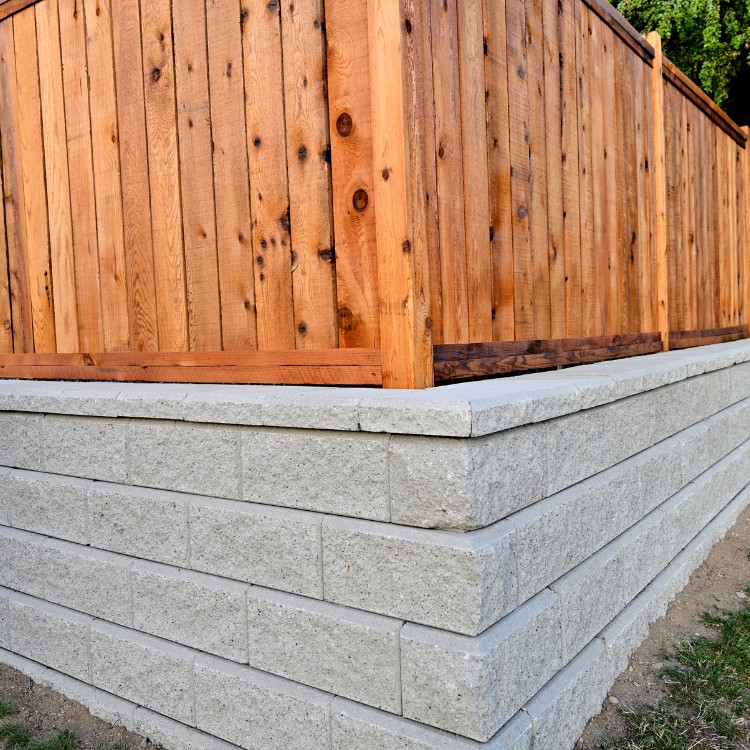
The moment many homeowners in McKinney, TX realize they need a retaining wall is usually not during a storm or a foundation inspection, but on a quiet afternoon in the backyard. You notice the slope that eats into your lawn, the way mulch washes down after every rain, or the awkward step between your patio and the rest of the yard. What begins as a simple desire to control erosion quickly becomes a design opportunity: this doesn’t have to be a plain, gray wall. It can become a dramatic backdrop for plants, a seating edge for gatherings, or the feature that finally makes your garden feel intentional and stylish.
Unique retaining walls are where function and creativity meet. They hold back soil, shape terraces, and protect your property, but they also define the mood of your outdoor space. A well-designed wall can turn a steep backyard in McKinney into layered garden rooms, create a framed view for a fire pit, or carve out a level play area for kids. Instead of settling for a generic solution, more homeowners are asking how they can make their retaining walls stand out. That’s where thoughtful design, quality materials, and expert construction from companies like TopCore Concrete really matter.
In North Texas, with its clay-heavy soil, shifting ground, and sudden downpours, retaining walls aren’t just decorative—they’re essential infrastructure. Yet, in the hands of a skilled concrete contractor, they can become the most eye-catching part of your landscape. Whether you’re dreaming of a sleek modern garden or a warm, rustic retreat, the right retaining wall design can transform your yard from a simple patch of grass into a layered, stylish outdoor escape.
Why Retaining Walls Matter
Retaining walls start with a practical mission: hold soil in place. McKinney’s rolling terrain and expansive clay soils mean that unrestrained slopes can quickly become muddy slides, eroded gullies, or even threats to foundations and patios. A well-built retaining wall stabilizes these areas, preventing soil movement that can damage landscaping, driveways, and outdoor living spaces. Without one, you may find yourself constantly replacing plants, refilling mulch, or fighting drainage issues after every storm.
Beyond erosion control, retaining walls are a powerful tool for reclaiming usable space. Many properties in the McKinney area have at least some grade change, and that slope often goes underutilized. By cutting into a hill and installing a wall, you can create flat terraces for a lawn, garden beds, or a seating area. TopCore Concrete often helps homeowners turn what looks like a difficult yard into a series of functional outdoor “rooms” that feel organized and purposeful instead of awkward and slanted.
Retaining walls also influence how your entire yard feels and flows. A wall can act as a subtle boundary between spaces, guiding movement from the house to the pool, or from a dining area to a garden path. It can frame views, hide less attractive parts of the property, or provide a natural spot for accent lighting. When designed with style in mind, retaining walls become part architecture, part sculpture, and part garden structure.
Designing A Stylish Garden Wall
Creating a unique retaining wall for a stylish garden starts long before the first shovel hits the ground. It begins with understanding how you want to use your outdoor space. Do you imagine a lush, layered planting design cascading over the wall? Or are you picturing a minimalist, geometric layout that showcases crisp lines and clean concrete? Taking time to clarify your vision helps guide every decision, from height and curves to surface texture and color.
Scale is one of the most overlooked design elements. A wall that’s too tall and monolithic can feel imposing and out of place, while one that’s broken into tiers or stepped sections can appear more human in scale and more inviting. In McKinney backyards, TopCore Concrete often recommends splitting a tall grade change into two or three smaller walls with planting beds in between. This terraced approach softens the look, provides more room for greenery, and gives you multiple levels of visual interest instead of one large, blank face.
The wall’s shape also heavily influences its style. Straight walls feel modern and structured, ideal for contemporary homes and streamlined landscapes. Gentle curves, on the other hand, can follow the natural contours of the land, creating a more organic, flowing feel. Curved retaining walls can wrap around patios, hug garden beds, or create crescent-shaped seating nooks. When designed thoughtfully, the shape of the wall can echo the architecture of your home or contrast with it in a way that feels intentional and artistic.
Material Choices That Stand Out
Once the layout is defined, materials become the next major decision—and the key to making your retaining wall feel unique. Concrete is a leading choice in McKinney because of its strength, durability, and versatility. Unlike natural stone, which can be limited by available shapes and sizes, concrete can be formed, colored, and textured in countless ways. TopCore Concrete specializes in using concrete not just as a structural material, but as a canvas for design, giving homeowners the flexibility to match or complement their home’s style.
Exposed aggregate concrete, stamped finishes, and textured forms can all transform a plain wall into something visually rich. For example, a retaining wall with a board-formed concrete finish can mimic the grain of wood while offering the longevity of concrete. Another option is to incorporate subtle color into the mix, creating warm earth tones that blend with Texas landscapes or cooler grays that suit a modern aesthetic. These variations keep the wall from feeling flat and introduce depth that changes with the light throughout the day.
Homeowners who love the look of stone can still benefit from concrete’s structural advantages by using concrete units designed to resemble natural rock or by combining poured concrete with stone veneers. This hybrid approach can give you the charm of a stone garden wall with the engineered reliability needed for McKinney’s soil conditions. Mixing materials—such as concrete walls with metal caps or wood accents—can also add a custom, high-end feel that sets your garden apart from standard tract-home landscaping.
Integrating Walls With Planting And Lighting
A retaining wall alone is just a structure; it becomes a garden feature when it is thoughtfully integrated with plants and lighting. One of the most effective strategies is to use the wall as a backdrop for layered plantings. Taller shrubs or ornamental grasses can sit at the top, with cascading vines or groundcovers spilling over the edge, and low-growing perennials or seasonal color at the base. This approach softens hard edges and makes the wall feel like a natural part of the landscape rather than an abrupt barrier.
In McKinney’s climate, drought-tolerant and heat-loving plants are especially important. Pairing a concrete wall with plants such as rosemary, lantana, salvia, or ornamental grasses creates a resilient, low-maintenance garden that thrives in full sun. The wall itself can also influence the microclimate; concrete absorbs heat during the day and releases it at night, which can benefit certain plants and extend the growing season for more tender varieties.
Lighting is another layer that transforms retaining walls after dark. Integrated LED step lights, strip lighting along the cap, or small spotlights aimed at the wall face can highlight texture and shape, making the structure feel like a design feature instead of fading into the background. TopCore Concrete can coordinate with lighting plans so conduits and fixtures are built into the wall during construction, avoiding awkward add-ons later. With the right lighting, your retaining wall can frame evening gatherings, guide foot traffic, and enhance safety while adding a sophisticated glow to the garden.
Functional Features Hidden In Design
One of the most exciting aspects of unique retaining walls is how many functional features can be subtly built into them. Seating is a prime example. A slightly widened top, or a low retaining wall near a patio, can double as casual seating during parties or family get-togethers. Instead of dragging extra chairs into the yard, your wall becomes a permanent, sturdy bench that always fits the space perfectly.
Retaining walls can also be designed with integrated planters or niches. Recessed pockets within the wall can hold pots, lanterns, or decorative objects, turning the vertical surface into a gallery of personal style. Built-in planters allow for deep soil pockets where small trees, shrubs, or seasonal displays can thrive. This approach is especially useful in tight McKinney backyards where maximizing every inch of space matters.
Another often-overlooked function is storage and utility. In some designs, the area behind or beneath a terraced wall can be used to hide irrigation equipment, pool gear, or garden tools. Access panels or discreet doors can be incorporated into the design so these spaces remain functional without disrupting the visual appeal. By working with a contractor like TopCore Concrete from the planning stage, you can identify opportunities to tuck useful features into your retaining wall instead of scattering small sheds and boxes across the yard.
Engineering For McKinney Conditions
As creative as retaining wall design can be, none of it matters if the structure is not engineered correctly. McKinney’s expansive clay soils swell when wet and shrink when dry, putting pressure on walls and foundations. That’s why proper footings, drainage, and reinforcement are non-negotiable. A unique wall must first be a strong wall. TopCore Concrete understands local soil behavior and designs retaining walls to handle both the load of the soil and the seasonal movement that comes with North Texas weather.
Drainage is particularly critical. Without it, water can build up behind the wall, increasing pressure and leading to bulging or failure. A well-constructed retaining wall includes drainage stone, perforated drain pipes, and weep holes or outlets that safely route water away. These details are often invisible once the wall is complete, but they are what allow the structure to last for decades while still looking as good as the day it was installed.
Permits and codes may also come into play, especially for taller walls or those near property lines and structures. Working with a professional contractor in McKinney ensures your wall is not only beautiful and unique, but also compliant with local regulations. This protects your investment and reduces the risk of problems if you ever decide to sell your home. When the engineering and craftsmanship are handled correctly, you can focus on enjoying the stylish garden your retaining wall helps create.
Frequently Asked Questions
How tall can my retaining wall be in McKinney, TX? The allowable height for a retaining wall depends on local codes and whether the wall is engineered. In many cases, walls over a certain height require permits and structural design by a professional. TopCore Concrete typically evaluates the slope, soil conditions, and intended use before recommending a wall height. If a large grade change is needed, they may suggest multiple tiered walls instead of one tall structure, which can be both safer and more visually appealing.
What makes a retaining wall “unique” instead of standard? A unique retaining wall goes beyond a simple straight, gray barrier. It might feature custom shapes, curves, or tiers, specialized concrete textures, integrated seating or planters, or coordinated lighting. The design is tailored to your home’s architecture and your lifestyle, rather than using a one-size-fits-all layout. In McKinney, TopCore Concrete often customizes color, finish, and layout so the wall becomes a focal point of the garden instead of blending into the background.
How long do concrete retaining walls typically last? When properly designed and built, concrete retaining walls can last several decades, often 40–50 years or more. Longevity depends on factors such as soil conditions, drainage, reinforcement, and quality of workmanship. In the clay soils common to McKinney, TX, attention to drainage and footing design is especially important. Regular inspections for signs of movement or cracking, along with prompt repairs, can also extend the life of your wall.
Can my retaining wall be matched to my patio, driveway, or other concrete features? Yes, one of the advantages of working with concrete is the ability to coordinate finishes across multiple outdoor elements. Your retaining wall can be designed to complement your patio, pool deck, driveway, or even future projects like Sidewalks. TopCore Concrete can use similar colors, textures, or patterns to create a cohesive look throughout your property, making the entire landscape feel more intentional and unified.
How do I maintain a stylish retaining wall over time? Maintenance for a concrete retaining wall is relatively simple but important. Keep drainage outlets clear of debris, check periodically for cracks or movement, and trim plants so roots and growth do not damage the structure. Cleaning the wall with low-pressure washing and occasional mild detergents can remove dirt and algae, keeping the surface looking fresh. If your wall includes lighting or integrated planters, inspecting those systems seasonally ensures they continue to perform and contribute to the overall style of your garden.