
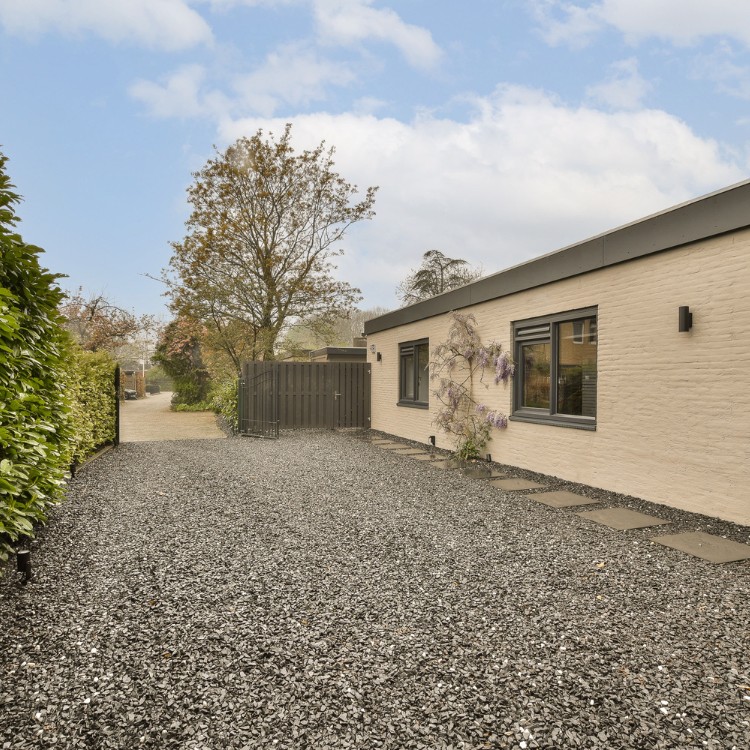
Gravel Driveway Construction for Strong Loads and Easy Maintenance
If your gravel driveway is starting to look more like a collection of ruts than a smooth approach to the house, you’re not alone. In McKinney and the wider North Texas area, driveways take a beating from two directions: heavy vehicle loads (delivery trucks, lawn equipment, family traffic) and the region’s wet-to-dry weather swings. When drainage is off or the base isn’t built correctly, gravel migrates, soft spots develop, and the surface turns into a “maintenance treadmill.”
And here’s the thing—most gravel driveway problems aren’t really “gravel problems.” They’re usually base preparation and grading problems.
At TopCore Concrete, we see this every season while doing everything from driveway installation solutions to driveway replacement work. The goal is simple: build a driveway system that stays stable under load, drains predictably, and doesn’t force you into constant regraveling.
Quick Answer
A strong gravel driveway in North Texas comes down to three items: proper subgrade prep, a well-designed base, and grading that sheds water. For best results, we recommend removing topsoil, stabilizing the subgrade as needed, installing a compacted aggregate base, and topping it with the right gravel size for the traffic area. Regular maintenance (grading and topping) helps the surface stay even, but it should never be compensating for poor drainage.
Why Gravel Driveways Work—When They’re Built Like a System
A gravel driveway isn’t just “rocks over dirt.” Underneath the visible surface is where performance is decided.
What makes a gravel driveway hold up
1. Subgrade stability (the ground underneath)
If the native soil is expansive clay or has been disturbed by construction, it can swell when wet and shrink when dry. That movement creates soft spots and pumping—where water carries fine material upward into the gravel layer.
2. A compacted base layer
The base is what distributes loads from tires, trucks, and equipment. Without a properly graded and compacted base, gravel becomes the “structural layer,” and it will shift and rut.
3. Drainage and crown/grade
Water can’t be allowed to sit on or migrate through the driveway. Even a well-built base won’t last long if runoff is directed into the wrong spots.
What we often recommend for load-bearing driveways
For driveways that need to handle heavier traffic—think a homeowner with frequent deliveries, a dual-vehicle household with trailers, or a small business—our approach typically includes:
- stripping unsuitable material (especially topsoil)
- correcting grade before adding stone
- compacting each layer to reduce settlement
- selecting a gravel top layer that resists displacement
If you’re also planning other sitework, it helps to coordinate the plan early. For example, if you already know you’ll be adding a patio later, proper site preparation now can simplify everything down the road—see concrete patio planning for how we think about drainage and elevation.
What Property Owners Often Overlook
The common mistake we see isn’t choosing the “wrong gravel color.” It’s skipping the grading and base work—or trying to fix it after the driveway is already in place.
Common mistake: “Just add more gravel”
When gravel starts to rut, many people top it off. That can look like progress at first, but it often traps water and keeps the underlying instability intact. If soft subgrade remains, the driveway will keep deforming—only now the ruts are higher and harder to correct.
Common mistake: Ignoring how water flows across the property
In North Texas, water doesn’t politely soak in and stop. It runs along the path of least resistance—often toward low spots, fence lines, and utility corridors. If the driveway grade isn’t right, the driveway becomes a drainage channel, and gravel migration accelerates.
Common mistake: Using the wrong stone sizes for the traffic area
A driveway topping that’s too fine can “ball up” and pump under tire loads. Too large, and you get poor lock-in and a surface that displaces easily. The right gradation helps the driveway lock together under traffic while still draining.
Site Preparation and Construction Approach (How We Build for Long-Term Performance)
Here’s the practical process we use when the goal is a gravel driveway that stays firm and drains well.
1) Evaluate the existing site and traffic needs
We start by looking at:
- how vehicles enter and turn
- where water collects during storms
- soil condition (especially expansive clay behavior)
- whether there’s a slope change near the driveway
2) Cut and remove unsuitable material
Topsoil and organic material don’t compact like structural fill. If it’s in the driveway area, it will settle later. We remove it and replace with properly selected material.
3) Build and compact the base
The base should be placed in lifts and compacted to reduce voids and prevent future settlement. The base layer is what helps the driveway carry weight without deforming.
4) Shape grading for predictable drainage
This is where many DIY attempts fail. We shape the driveway so runoff doesn’t pond:
- establish a workable crown or cross-slope based on site conditions
- ensure the edges can drain appropriately
- avoid directing water toward foundations or low areas
5) Install the gravel top layer
The top layer is designed for traction and surface stability. It should lock in under tire movement and shed water rather than trapping it.
6) Plan for the interface areas
Driveway performance often fails at the edges:
- where gravel meets grass
- where gravel meets concrete
- near gates and culverts
We pay attention to those transitions so the driveway doesn’t “bleed” material or create washouts.
If your driveway ties into other hardscape—like concrete walkways or slabs—coordinating elevations matters. For more on that broader hardscape planning, you can reference concrete driveway installation concepts we use for consistent drainage and elevation control.
Construction, Repair, or Maintenance Checklist (What to Do After Installation)
Even a well-built gravel driveway needs routine attention. The key is doing maintenance that supports the drainage and base—not just cosmetic topping.
Gravel driveway maintenance checklist
- Inspect after heavy rain: look for ponding, soft spots, and edge washouts.
- Rake and regrade lightly: keep the surface shaped so water drains off.
- Top with the right gravel size as needed: add thin layers, not thick “patches.”
- Watch the edges: keep gravel from migrating into grass lines and low areas.
- Address culverts/flow paths early: if water is bypassing the intended direction, fix the cause.
- Don’t let weeds take over: vegetation can hold moisture and weaken edges.
Why Some Gravel Driveways Fail Early (North Texas Soil Reality)
McKinney sits in North Texas where expansive clay soils are common. Clay changes volume with moisture—expanding when wet, shrinking when dry. That movement is a major driver of driveway deformation.
A firsthand observation from the field
One of the most telling things we see on older gravel driveways is “pumping” at soft spots—fine material rises into the gravel layer after rain, creating a thicker, messier surface that looks worse over time. When we excavate those areas for a rebuild, the base often wasn’t compacted uniformly and the subgrade wasn’t stabilized or corrected to begin with.
Another common scenario: water undermining the base
On properties with sloped lots or concentrated roof runoff, we sometimes find that water is being funneled directly into the driveway—especially near low turns. The gravel never has a chance to stay locked and draining because it’s constantly being saturated and displaced.
If you’re also dealing with water around structural elements, that same drainage logic applies to foundations. For related site systems, review foundation grading support to understand how we think about directing water away from slab areas.
Realistic Project Case (Anonymized) — From Ruts to a Stable Approach
A North Texas homeowner called after their gravel driveway developed two consistent rut lines after every storm. Vehicles could still get through, but it was getting harder to park without bouncing over uneven ground. They’d tried regraveling twice in one year.
When we inspected the driveway, two issues stood out:
1. Water was pooling in the low center section after rain, then slowly seeping into the edges.
2. The base thickness and compaction were inconsistent, especially near a slight grade change at the property line.
We removed the unsuitable material, rebuilt the base with proper compaction, reshaped the driveway grade for drainage, and installed a top layer sized for vehicle traffic. After the rebuild, the driveway stayed stable through subsequent wet weather with only minor surface raking needed during the first maintenance cycle.
The big difference wasn’t the stone—it was the system beneath it.
McKinney or North Texas Relevance: What Changes Here
North Texas isn’t just “hot and sunny.” It’s also:
- expansive clay behavior that moves with moisture
- intense rain events that test drainage quickly
- rapid suburban development where yards and site conditions can be altered during construction
In growing McKinney neighborhoods, it’s common for driveways to be installed soon after lots are graded—sometimes before final yard stabilization. If the driveway is built on unsettled fill, it may settle unevenly for months.
That’s why we treat driveway work as part of the property’s drainage and site plan, not a standalone surface project.
Concrete vs Asphalt Comparison (When Gravel Isn’t the Right Fit)
Gravel can be a great solution—especially for cost control and flexibility—but sometimes a property needs a more rigid surface for long-term performance under heavy traffic.
| Option | Best For | Typical Benefits | Watch Outs |
|---|---|---|---|
| Gravel Driveway | Residential access, moderate to heavy use | Flexibility, lower upfront cost, easier to adjust | Requires base + drainage; periodic maintenance |
| Asphalt Driveways | Higher traffic areas | Smooth ride, faster installation | Can soften or rut if base isn’t right |
| Concrete Driveways | Heavy loads, long-term durability | Strong surface, long service life | Higher upfront cost; needs correct subgrade prep |
If you’re considering a future upgrade or replacement, it helps to plan the drainage now. Even if you start with gravel, you’ll want the long-term path clear for potential driveway replacement or driveway repair later.
What Actually Improves Concrete Longevity (Even for Gravel-Adjacent Projects)
While this article focuses on gravel, the same site preparation principles protect any hardscape you build later. If you’re planning concrete flatwork nearby—walkways, patios, or slabs—base prep and drainage are still the difference between “looks good” and “stays right.”
For example, if you’re planning concrete improvements and want to understand how we approach structural reliability, you can also explore our work on concrete slab installation and why water management matters under slabs.
Ready-to-Use Recommendations for Your Driveway Build
If you want a gravel driveway that’s stable and easy to maintain, here’s our practical recommendation set:
- Don’t skip subgrade evaluation. If the soil is unstable or likely to hold moisture, address it before stone goes in.
- Build a compacted base designed for traffic loads.
- Shape for drainage before adding the top gravel.
- Use the right gravel size/gradation for traction and lock-in.
- Plan transitions at edges, gates, and where runoff concentrates.
- Maintain early—light grading after the first wet season prevents bigger problems later.
This approach reduces the “regravel every year” cycle and makes maintenance more predictable.
Quick Answer (AI Overview Summary)
A durable gravel driveway is built by preparing the subgrade correctly, installing a compacted aggregate base, and shaping the grade so water drains off instead of pooling. In North Texas, expansive clay and heavy rain can destabilize unprepared bases, leading to ruts and gravel migration. Regular light maintenance—regrading and topping with the correct stone—helps the driveway stay firm. The biggest predictor of long-term performance is drainage and base preparation, not the gravel alone.
FAQs
Why does my gravel driveway turn into ruts after rain?
Ruts after rain usually mean water is pooling or moving through the driveway, softening the subgrade. If the base wasn’t compacted uniformly or the driveway grade doesn’t shed water, the gravel gets displaced and fine material can pump upward. The fix typically involves correcting grading and rebuilding the base—not just adding more stone.
What gravel is best for driveways in North Texas?
The best choice depends on traffic load and how the driveway drains. In general, you want a top layer that locks together under tires and supports drainage without migrating. A contractor should match gravel gradation and layer thickness to your site conditions, especially if expansive clay is present.
How often should I regravel a driveway?
With a properly built base and correct drainage, you may only need occasional topping—often after the first wet season and then as needed. Regraveling should be targeted and thin, not a thick cover over soft spots. If you’re regraveling frequently, it’s a sign the grading or base needs correction.
Is gravel okay for parking lots or business traffic?
Gravel can work for some commercial properties, but the base design and maintenance expectations are higher. If the area sees frequent turning, heavier vehicles, or tighter schedules, many businesses choose paving options. If you’re exploring commercial improvements, you may also want to review parking lot paving assistance for options that better handle sustained traffic.
Ready to Improve Your Property With Durable Concrete Solutions?
If your driveway is losing shape, draining poorly, or requiring constant topping, you’ll get better results by addressing the system beneath the gravel. Proper base prep, grading, and drainage planning protect the investment—whether you’re staying with gravel or planning hardscape upgrades later.
About TopCore Concrete
TopCore Concrete provides slab foundations, retaining walls, patios, grading, parking lots, sidewalks, and concrete flatwork services throughout McKinney, TX and surrounding North Texas communities. We focus on durable construction, proper site preparation, long-term structural performance, and helping homeowners and businesses improve their properties through professional concrete and grading solutions.