
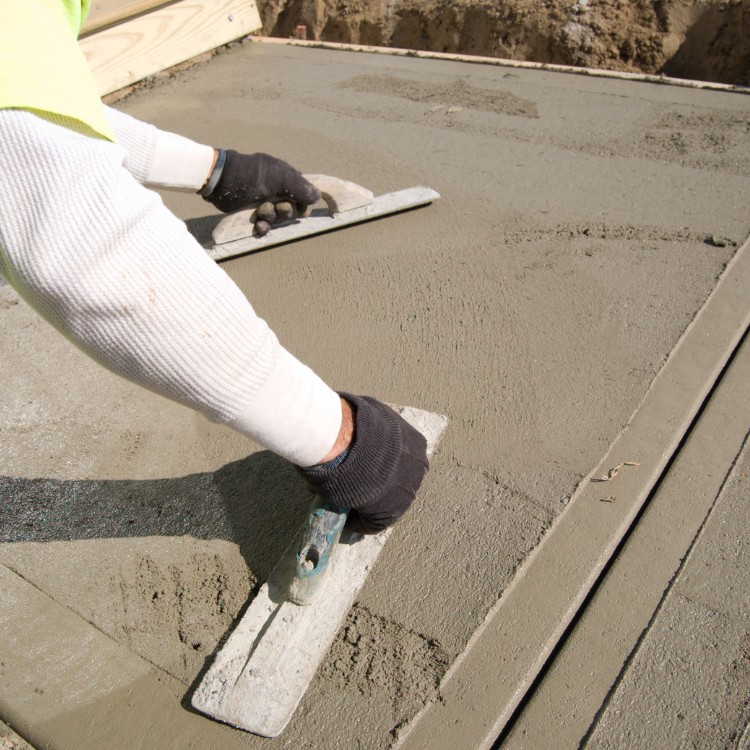
If you are seeing uneven floors, doors that feel tight, or settling around the slab, the problem is often more than just “the concrete.” This guide explains what to look for in concrete slab installation, how proper site preparation supports weatherproof performance in McKinney, TX, and what decisions help reduce future foundation stress.
After a heavy rain near your home in McKinney, you might notice water pooling near the foundation, a sidewalk that seems slightly off, or cracks that look wider than they used to. Even if the slab is holding up, those small signs can point to grading and drainage issues that push moisture toward the foundation.
Or maybe you are planning a new build and want to avoid the headache of recurring settling and repairs. The key question becomes: what does a weatherproof slab foundation actually require, from prep work to the final finish?
This guide helps you understand the practical factors behind slab foundations and related concrete work, so you can ask smarter questions and spot common red flags before they become expensive.
Quick Answer
Weatherproof slab foundations start with the basics: correct site preparation, stable base support, and drainage-focused foundation grading. If your home shows signs like cracking, sticking doors, or uneven surfaces, don’t jump straight to cosmetic concrete repair. A better approach is to verify whether the slab and surrounding flatwork are responding to moisture or movement, then address the system together. For most homeowners in McKinney, the practical recommendation is to pair slab-focused work with proper grading and related concrete needs, so water is managed before it creates repeating stress.
What to Check First
Before you choose a concrete solution, take a quick look at what is changing around the slab. These checks help you separate normal concrete shrinkage from issues that can affect performance over time.
1) Water behavior after rain
Observe where water collects during and after storms. If it consistently heads toward the foundation, grading and drainage planning becomes part of the foundation solution.
2) Surface movement and alignment
Check whether floors feel uneven and whether concrete flatwork (walkways, driveways, steps) shows new offsets or separation lines.
3) Crack pattern and timing
Cracks that widen over time or appear after moisture events deserve closer review. A stable slab typically does not “progress” with seasonal conditions.
If you are also dealing with retaining pressure or slope changes on the property, the foundation performance conversation often expands. Consider reviewing retaining walls when soil movement is part of the story.
Main Things Customers Should Understand
Slab foundations are not just “pour and finish.” The strength and long-term stability of a slab system depends on the steps that happen before concrete ever reaches the yard.
Professional observation: Weatherproof performance is usually decided by the system you build before the slab cures, especially base preparation and drainage planning. If water has an easy path to the foundation, even a good pour can face repeating stress.
1) Site preparation and stable base support
Concrete slab installation relies on a consistent, properly prepared base so the slab can perform as intended. That means attention to excavation, base placement, compaction, and overall flatness so the slab does not “bridge” over weak spots.
2) Foundation grading that supports drainage
Foundation grading is how you guide water away from the home and reduce moisture exposure. In practice, this often includes matching the surrounding elevations so runoff does not feed low spots near the slab.
If you are planning broader concrete improvements, it can help to coordinate grading with other work like flatwork and drive access. For example, patio installation may need the same drainage logic as the slab area.
3) Concrete flatwork that stays aligned
Concrete slabs are connected to the rest of your property through the surrounding concrete: walkways, steps, driveway approaches, and other flatwork. When those pieces are out of alignment, homeowners often notice the issue as “the concrete looks off,” even if the underlying cause is drainage or base movement.
4) Repair and leveling planning (when movement already exists)
If you suspect foundation repair or foundation leveling, the goal is not only to improve appearance. The goal is to address what is driving the movement, then restore the surrounding concrete so it does not keep reacting to the same conditions.
Representative scenario: A McKinney homeowner noticed tighter door gaps and a hairline crack that became more noticeable after storms. The driveway approach and a nearby walkway also showed small separations. After reviewing the site conditions, the work plan focused on foundation grading and coordinating the surrounding concrete so rainwater behavior changed, not just the crack.
| Situation you notice | What it often points to | Related TopCore Concrete service focus |
|---|---|---|
| Water pools near the home after heavy rain | Drainage pattern issues and moisture exposure | Foundation grading |
| Cracks progress around slab edges or nearby flatwork | Movement that may be influenced by moisture or base variability | Slab foundations |
| Driveway surface looks uneven or needs replacement | Concrete driveway performance and site preparation needs | Driveways |
| Property use includes heavy vehicles or frequent parking turnover | Area-specific flatwork demands and durability planning | Parking lots |
Why This Matters in McKinney, TX
In McKinney, TX, homeowners often experience seasonal swings that can change how the ground behaves around a slab. When rainwater does not drain predictably, moisture patterns shift and the home can respond with subtle movement over time. That is why slab foundation quality is tightly connected to drainage-focused grading and coordinated concrete flatwork.
If your property is in a neighborhood with established landscaping, you may also be dealing with mature grading patterns and older driveway or walkway elevations. Bringing those areas back into alignment with the slab plan can reduce recurring stress and help the concrete system perform as a single unit.
Want a practical plan for slab performance and drainage?
If you are deciding between slab-focused repairs, foundation grading, or surrounding concrete updates, TopCore Concrete can help you map the work to the site conditions you are actually seeing in McKinney, TX.
Contact TopCore ConcreteCall: (469) 885-8590
Common Mistakes to Avoid
Homeowners and property managers often run into the same problems when slab foundations and surrounding concrete are treated as separate projects.
1) Fixing cracks without checking water
Concrete repair can make things look better, but if grading still directs runoff toward the foundation, the slab system can keep reacting.
2) Ignoring slab-to-flatwork connections
Walkways, steps, and drive approaches can reveal misalignment from the same movement driving slab issues. Coordinating concrete work reduces repeat adjustments.
3) Choosing the wrong scope
If the base support or drainage pattern is the root cause, a limited repair may not last. The best scope matches what is actually causing the performance problem.
4) Waiting until the problem spreads
When homeowners delay, they often end up needing more extensive concrete replacement. Addressing the early signs can help limit the area that needs work.
Customer Checklist
- Walk the perimeter after rain and note where water collects or flows toward the foundation.
- Inspect cracks for whether they are changing over time, especially near slab edges and joints.
- Check doors and windows for new sticking or alignment changes that may coincide with seasonal moisture.
- Look at nearby concrete flatwork (walkways, steps, and driveway approaches) for separation or new unevenness.
- Ask how site preparation and base support will be handled for your specific slab foundation plan.
- Confirm whether foundation grading is included so runoff behavior is addressed, not just the slab surface.
If your project includes driveway or access changes, you may also want to review other flatwork scopes such as gravel driveway improvements. Site preparation and drainage still matter, even when the surfacing material changes.
Frequently Asked Questions
How do slab foundations relate to concrete flatwork like driveways and sidewalks?
Slab foundations and surrounding flatwork share the same property conditions: base support, grading, and how water moves across the site. Even if the slab is built correctly, flatwork can show misalignment or separation when water behavior or base variability affects the area. Coordinating the scope helps keep the concrete system working together, so you are not constantly patching one section while the rest keeps responding to the same conditions.
What should I prioritize first if I suspect foundation repair is needed?
Start by prioritizing what is driving the change you are seeing. If the issue appears after storms, water behavior and foundation grading should be part of the discussion. If you also notice uneven surfaces or changes around nearby concrete, those clues can point to movement that involves more than a single patch. A practical approach is to verify site conditions and then match the work scope to the cause, not only the symptom.
Is foundation leveling always the right next step?
Foundation leveling can be part of a solution when movement has affected the home. However, the best next step depends on what is causing the movement. If moisture patterns and grading are contributing, leveling alone may not hold up long-term because the site conditions can continue to influence performance. In many cases, pairing foundation-focused work with drainage-focused grading is the practical way to reduce repeat stress.
How can I tell whether the problem is drainage or something else?
A strong clue is timing. If symptoms are most noticeable after rain or during wet seasons, drainage and moisture exposure are likely contributing factors. You can also observe where runoff flows and whether water pools near the foundation. Cracks that seem to change with moisture events and concrete flatwork that shows new offsets can reinforce the drainage connection. The goal is to connect your observations to a site plan that addresses water behavior.
What concrete services pair well with slab foundations for a complete system?
Homeowners often need more than slab work to make the property perform as a system. Foundation grading is a common pairing because it guides runoff away from the foundation. Many projects also include related concrete flatwork such as driveways, sidewalks, patios, or parking-area improvements, especially when elevations need to be brought into alignment. Coordinating the scope helps reduce repeating adjustments and supports weatherproof performance.
Ready to protect slab performance around your home?
If you are in McKinney, TX and you are seeing early warning signs like cracking, uneven surfaces, or drainage concerns, TopCore Concrete can help you choose a scope that fits the site conditions. Start with a conversation about what you are observing and how the work should be coordinated.
(469) 885-8590