
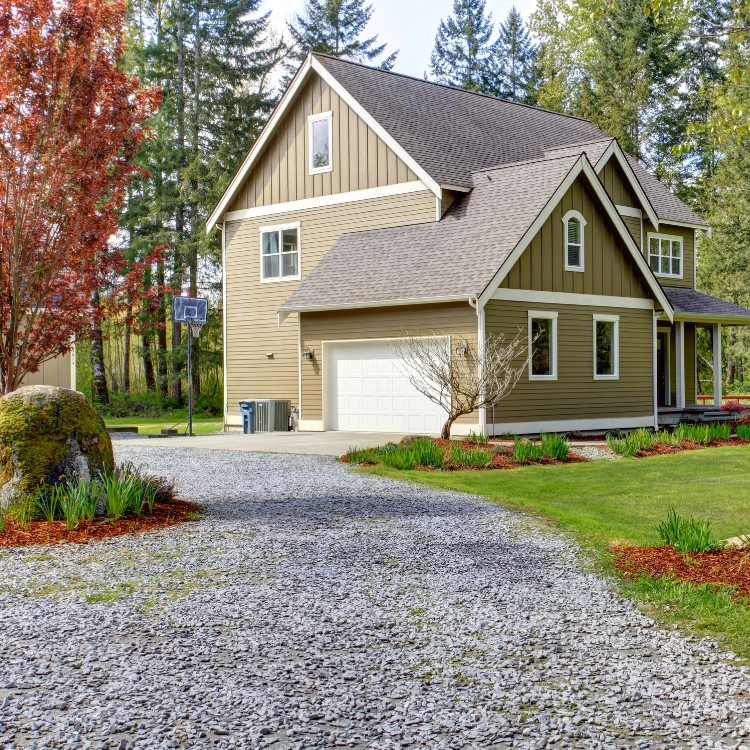
Creative Slab Foundations for Strong, Level Homes Today
If you’ve ever watched a new home settle a few months after move-in—doors that suddenly stick, hairline cracking near corners, or a patio that starts to look “off”—you know it’s not just cosmetic. In North Texas, slab foundations live or die by what happens before the first truck of concrete arrives: grading, drainage, and how the soil is prepared and managed.
In McKinney and the surrounding area, many homeowners are building or expanding on soils that can shift with moisture. When water is allowed to pool near a foundation, or when the site grading doesn’t send stormwater where it belongs, the slab can respond with uneven movement. That’s why “creative” slab foundation solutions aren’t about gimmicks—they’re about engineering the site so the slab stays level and the home stays protected.
Below is how we think about slab foundations, concrete slab installation, and the supporting site work that makes strong, level homes possible.
Quick Answer
A durable concrete foundation system starts with the right site plan: proper foundation grading, controlled drainage, and stable base preparation. For homes in McKinney and North Texas, we typically focus on compacted subgrade, water management, and details that reduce soil moisture swings. If your slab is already showing signs of movement, foundation repair and foundation leveling may be necessary—but the long-term fix usually requires addressing grading and drainage first.
What Actually Builds a Strong Slab Foundation (Beyond the Pour)
Concrete slab installation is only one step in a larger system. The “creative” part is planning the whole foundation package so the slab and the home behave predictably when the weather changes.
1) Base stability: the unseen foundation
From experience, the biggest early failures aren’t because concrete is “bad”—they’re because the ground underneath wasn’t treated like it matters (because it does). We look at:
- Subgrade condition: clay-rich soils can expand and contract with moisture.
- Fill placement and compaction: too much loose material, inconsistent compaction, or lifting in the wrong way can create weak zones.
- Moisture control during prep: if the base is too wet or too dry, compaction won’t achieve the density you need.
2) Drainage control: water is the real problem
A slab foundation doesn’t just sit on soil—it shares the soil’s moisture behavior. If water migrates toward the foundation during heavy rain events, you can get differential movement.
That means we plan for:
- surface runoff paths
- downspout discharge locations
- grading slopes away from the structure
- where stormwater ends up on the lot
If you’re considering a foundation project, this is where partnering sitework and foundation work matters. For example, you can combine foundation planning with foundation grading support so the drainage story is solved before concrete hardens.
3) Structural detailing: how the slab connects to the home
Even with great site prep, the foundation system still needs correct detailing for the home’s design and the slab’s intended performance. That includes how the slab is reinforced, how expansion/contraction joints are handled, and how transitions at edges are built.
What Property Owners Often Overlook
Most homeowners focus on the visible part—smooth concrete, clean edges, maybe a decorative finish. But we commonly see the problems start underneath or at the waterline.
Common mistake property owners make
They assume grading is “temporary” or “good enough” because the slab looks fine at first.
In North Texas, the first few months can hide issues. Then summer heat and rainy seasons do what they do: soils expand, contract, and shift moisture patterns. If grading isn’t directing water away from the foundation consistently, you can end up with:
- settlement that’s noticeable along one side of the home
- cracks near openings or corners
- uneven floors that weren’t there initially
- recurring water intrusion in landscaping beds next to the foundation
Why Some Concrete Foundations Fail Early
A slab foundation can fail early for reasons that sound unrelated to concrete. Here are the patterns we see most often:
Moisture imbalance
McKinney-area soils often have clay content that reacts strongly to moisture changes. If the site is graded so water pools near the foundation, the soil becomes unstable. That instability shows up as slab movement—not immediately, but repeatedly.
Poor base prep or inconsistent compaction
Even small inconsistencies can create weak zones. Over time, those zones allow the slab to “walk” microscopically, which becomes obvious as cracks widen or doors begin to rub.
Water management added too late
If drainage measures are treated like an afterthought—installed after the slab, or “patched” with landscaping—water still finds a path. The slab system needs drainage planned from the beginning.
Adjacent concrete and hardscapes that trap water
Concrete flatwork around a home can unintentionally create a “basin” if it’s not sloped properly. That’s why we think about flatwork and foundation performance together.
If you’re also planning exterior concrete, it’s smart to coordinate your plan for concrete sidewalks and other flatwork so the grades and elevations support drainage instead of fighting it.
Our Experience Building Concrete Systems in Texas Conditions
Here’s a firsthand observation from jobsite work: we often see homeowners walk the perimeter after a rain and realize water is moving toward the house. It’s usually not because the lot was “built wrong” in a single moment—it’s because the site plan didn’t fully account for how water travels across grades, drives, walkways, and landscaping beds.
One McKinney-area scenario we’ve worked on (anonymized): a couple noticed minor cracks after the second wet season. The slab wasn’t dramatically failing, but the pattern of cracking suggested moisture-driven movement. After reviewing the lot’s grading and checking where downspouts discharged, we found water was being directed toward the foundation landscaping and low spots. The concrete was doing what it’s designed to do under load—it was the soil moisture behavior that needed correction. Once drainage and grading were addressed, additional movement slowed significantly.
That’s the contractor reality: concrete can be installed correctly and still struggle if the water story isn’t handled.
Construction, Repair, or Maintenance Checklist (Do This to Protect the Slab)
Whether you’re building fresh or evaluating an existing foundation, this checklist helps you plan like a pro.
Sitework and planning checklist
- Verify drainage routes: Where will water go during the heaviest rainfall?
- Confirm slopes away from the foundation: Avoid low spots near the perimeter.
- Inspect downspout discharge: Make sure it drains away from foundation soils.
- Plan exterior elevations together: Patios, walkways, and driveways should support drainage.
- Look at base preparation: Ask what materials are being used and how compaction is achieved.
- Coordinate with other concrete work: Prevent trapped water at transitions.
Concrete maintenance checklist (for existing slabs)
- Keep gutters and downspouts clear so water doesn’t spill near the slab.
- Seal or maintain high-exposure surfaces where appropriate (especially if you have frequent freeze-thaw isn’t the issue, but water intrusion is).
- Watch crack growth: a crack that widens or changes pattern may signal ongoing movement.
- Avoid planting deep-rooted vegetation too close to foundation edges.
Concrete vs Asphalt Comparison (When You’re Building Flatwork Around a Slab)
If you’re improving a property with new driveways, parking, or walkways, you’ll likely choose between concrete and asphalt. Both can work—but they behave differently under Texas conditions.
| Feature | Concrete Flatwork | Asphalt Flatwork |
|---|---|---|
| Typical look | Crisp edges, long-lasting surface | Smooth finish, flexible appearance |
| Repair approach | Typically patch/replace sections; jointing matters | Resurfacing and patching common |
| Drainage sensitivity | Strong performance when graded correctly | Also needs good base and drainage |
| Longevity (with proper prep) | Often long service life | Can be durable but may need more frequent maintenance |
| Heat effects | Expands/contracts; joints and curing matter | Softens more in extreme heat; base prep still critical |
If you’re deciding on a driveway or lot surface, make sure you’re not only comparing materials—you’re comparing base prep, drainage planning, and how water is managed.
For driveway-related planning, you can also review concrete driveway installation options alongside any asphalt considerations so the entire site grading system makes sense.
McKinney or North Texas Relevance: Why Soil + Water Drive Performance Here
North Texas weather swings—dry stretches followed by heavy rain—are exactly the cycle that challenges clay-rich soils. In McKinney, that means:
- Expansion and contraction can occur when moisture changes quickly.
- Stormwater volume during downpours can overwhelm poor grading.
- Suburban growth and landscaping changes can alter drainage patterns over time.
- Concrete flatwork upgrades can unintentionally create new water pathways if elevations aren’t coordinated.
That’s why slab foundation performance can’t be separated from grading and drainage. If the lot’s water management strategy isn’t consistent, the slab will be forced to “solve” a problem it wasn’t built to handle.
Example Case: Coordinated Foundation + Exterior Work
A common situation we see: homeowners start with foundation concerns, then realize the exterior hardscape is also contributing to water behavior.
In one anonymized project, a property had settled slightly near one side. The homeowner planned to replace a driveway and add a new walkway. When we evaluated the site, we found the driveway edge and walkway elevations created a slight trough that held water after rain. The slab wasn’t failing catastrophically, but the moisture pattern correlated with the crack locations.
By coordinating foundation work planning with slab foundation planning and updating the surrounding grades, the water stopped lingering near the foundation zone. The homeowner also improved long-term durability by planning for exterior concrete that drains properly rather than “ending” the grading plan at the foundation wall.
Signs Concrete Needs Repair (Foundation and Flatwork)
If you’re not sure whether you need foundation repair or a flatwork correction, these signs are worth paying attention to:
Foundation-level concerns
- Cracks that widen over time or show uneven patterns
- Doors or windows that suddenly become difficult to operate
- Noticeable sloping in floors near exterior walls
- Water pooling near the foundation perimeter after rain
Flatwork-level concerns
- Trip hazards from settled sections of sidewalks or steps
- Patio or walkway edges that hold water
- Cracks that follow drainage paths (not random hairlines)
If you’re seeing movement, don’t just patch concrete and move on. A proper foundation leveling evaluation starts with what’s happening to the ground and water near the slab.
What We Recommend If You’re Already Seeing Movement
A practical approach is:
1. Assess grading and drainage first (because it affects ongoing movement).
2. Evaluate the slab’s condition: crack location, pattern, and whether movement is active.
3. Decide on the right scope: foundation repair, foundation leveling, and/or targeted exterior corrections.
4. Coordinate future flatwork to prevent reintroducing water issues.
Depending on your property’s layout, you may also need supporting sitework like retaining walls to manage elevation changes. If your yard has slopes or grade transitions, see retaining wall construction services to help control soil movement and water migration—especially where drainage would otherwise cut across the foundation zone.
Optional FAQ
How do concrete foundations stay level in North Texas?
Level performance depends on stable subgrade, correct base preparation, and drainage that moves water away from the foundation. Even high-quality concrete can’t fully compensate for unstable soil moisture behavior. In North Texas, clay soils expand and contract with moisture swings, so grading and downspout discharge placement matter as much as the pour itself.
What causes cracks in slab foundations?
Cracks can come from normal shrinkage, but movement-related cracks often follow patterns tied to drainage and soil behavior. Water pooling near the foundation, inconsistent compaction, or weak subgrade zones can lead to differential movement. Crack location and whether it’s changing over time are key indicators.
Do I need foundation repair before replacing exterior concrete?
Usually, yes—at least you need an evaluation first. If the slab is still moving due to drainage or soil issues, replacing a driveway, patio, or walkway can end up misaligned again. A coordinated plan prevents paying twice and helps long-term performance.
Is foundation grading part of slab foundation installation?
It should be. Foundation grading is what controls where water goes and how the site transitions from the home outward. For many projects, the best results come from handling grading and drainage as part of the foundation system, not as a separate afterthought.
Ready to Improve Your Property With Durable Concrete Solutions?
Strong slab foundations are built as systems—soil, moisture control, grading, and concrete details working together. If you’re preparing for a new build, planning exterior upgrades, or addressing early movement concerns, the right plan can protect your investment for years.
About TopCore Concrete
TopCore Concrete provides slab foundations, retaining walls, patios, grading, parking lots, sidewalks, and concrete flatwork services throughout McKinney, TX and surrounding North Texas communities. The company focuses on durable construction, proper site preparation, long-term structural performance, and helping homeowners and businesses improve their properties through professional concrete and grading solutions.