
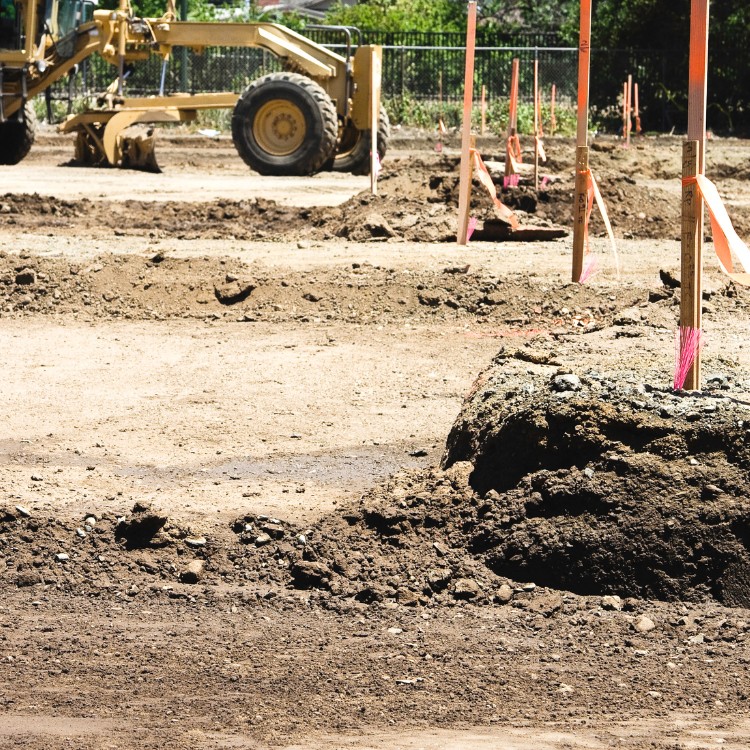
Foundation Grading for Settling Prevention and Future Peace
A lot of homeowners in McKinney don’t notice a foundation problem until the pattern becomes obvious—doors that stick, hairline cracks that widen after heavy rain, or a slab that seems to “settle” a little more each season. In North Texas, those symptoms often aren’t caused by the concrete itself. They’re usually tied to what happens around the foundation: grading, drainage direction, and how water interacts with expansive clay soils.
When grading is off—even slightly—water can pond near the structure, saturate the soil, and contribute to movement under slab foundations. The goal of foundation grading isn’t just “make the yard look level.” It’s to manage water, stabilize the surface grade, and keep the soil around your foundation behaving consistently.
Quick Answer
Foundation grading helps prevent settling by directing rainwater away from the home, reducing soil saturation, and maintaining consistent support under concrete slabs. In McKinney and the broader North Texas area, expansive clay can swell when wet and shrink as it dries, so the grade and drainage plan must account for both heavy rain and dry spells. A proper grading approach includes checking downspouts, correcting slopes, addressing low spots, and compacting base/soil so the grade holds after the next storm.
What Property Owners Often Overlook
Most people focus on the visible concrete—cracks, uneven sidewalks, or a patio that looks “off.” But the foundation doesn’t sit in isolation. It depends on a stable, properly drained site.
Here’s what we commonly see after years of Texas weather cycles:
- A yard that looks mostly flat, but has subtle low areas where water collects after storms
- Gutters and downspouts that discharge near the foundation instead of far enough away
- “We’ll fix it later” landscaping changes—adding beds, raising soil, or installing hardscapes—that alter drainage patterns
- Soil that wasn’t compacted correctly during original construction or earlier repairs, leading to future grade settlement
From a contractor’s standpoint, those are the moments where we start seeing the same story repeat: water gets trapped, the soil underneath reacts, and concrete movement follows.
Key Takeaway
If water can’t reliably move away from the foundation, even a well-built slab can develop movement over time. Foundation grading is the practical, preventative step that protects the long-term performance of your concrete.
Foundation Grading: What It Actually Does
Foundation grading typically involves shaping the ground so surface water flows away from the home and doesn’t linger near the foundation perimeter. In practice, it’s a combination of:
- Surface slope corrections (so water doesn’t pool)
- Drainage discharge planning (where downspouts and surface flow end up)
- Soil stabilization and compaction (so the grade doesn’t “settle again”)
- Subsurface considerations when needed (like addressing saturated zones or directing water safely)
We often connect grading with other sitework elements because they share the same job: controlling water and supporting concrete. If you’re also planning new concrete, grading is the “under the hood” work that determines how long your finish will last.
For example, homeowners who are exploring broader concrete upgrades may also want to review how a slab is planned and executed in the first place. You can see how slab foundations are approached here: Slab Foundations.
And if retaining structures are part of the yard layout, water control becomes even more critical. Many retaining wall issues start with drainage not being properly handled behind the wall—this is why we treat Retaining Walls as a system, not just a block-and-cap aesthetic.
Why Some Concrete Installations Fail Early
Concrete doesn’t fail because rain touches it. It fails when rain (and irrigation) changes the soil conditions underneath.
A realistic North Texas scenario (what we see in the field)
A common situation goes like this:
A homeowner notices a small step difference between the driveway and garage slab after a wet season. The cracks aren’t huge yet, but the driveway slope feels “wrong” compared to earlier years. When we inspect, we find a low spot near the garage corner where runoff collects. Downspouts discharge too close to the foundation, and the soil in that area has repeatedly saturated.
In that case, the driveway might not be the real problem. The grade and drainage system around the foundation are.
Hand-on-the-job observation
One contractor habit that matters: we don’t just “eyeball” the slope. We check flow paths and where water travels during and after storms. In North Texas, a small drainage issue can take multiple seasons to show up as concrete movement—because clay soil reacts slowly, then suddenly.
Common Mistakes Property Owners Make
1) Fixing concrete before fixing grading
People often patch cracks or replace a section of flatwork without addressing the water source. If the grade still directs water toward the foundation, the new concrete may not last any longer.
2) Raising the yard with landscaping soil
A classic “quick fix” is adding soil to smooth the yard. If that soil is placed without compaction and without reworking drainage direction, it can worsen ponding and increase moisture exposure near the foundation.
3) Blocking drainage with hardscape changes
New patios, walkways, or edging can create a “water dam” if they interrupt natural flow paths. That trapped water then saturates the near-slab soil.
4) Ignoring downspout discharge distance
Gutters are supposed to move water away. But when downspouts discharge onto bare soil near the foundation, the soil stays wet longer than it should—especially during repeated North Texas rain cycles.
5) Treating grading as a one-time job
In expansive clay regions, the grade can shift as the soil expands and contracts. That’s why compaction quality and long-term drainage planning matter.
Construction, Repair, or Maintenance: A Grading-Focused Checklist
If you’re dealing with settling symptoms or planning new concrete work, use this checklist to guide your planning conversations with a sitework contractor.
Site Preparation Checklist for Foundation Grading
- Inspect flow paths after rain: Look for low spots, ponding, and runoff direction changes
- Verify downspout discharge location: Ensure water isn’t landing near foundation walls or slab edges
- Check surface slope around the home: The goal is water moving away, not toward the structure
- Identify irrigation conflicts: Sprinkler overspray can keep soil wet even when it’s not raining
- Plan for stable, compacted fill (when needed): Loose fill can settle and undo the grade
- Confirm drainage exit strategy: Where will the water go safely (and not onto a neighbor’s property)?
- Coordinate with concrete scope: If you’re adding a patio, walkway, or driveway, the grading tie-ins should be engineered together
- Consider future maintenance access: Keep drainage components accessible for inspection
If you’re adding or upgrading outdoor concrete, it’s worth thinking through the full plan. For instance, a concrete patio installation depends heavily on site prep and drainage. If that’s part of your project, you can review Patio Installation for how we approach durable outdoor surfaces.
And if you’re working with walkways or side routes around the property, the same grading logic applies—especially near doorways and transitions. You can see our approach to Sidewalks when you’re planning replacements or new runs.
Our Experience Building Concrete Systems in Texas Conditions
North Texas soils—especially expansive clay—don’t behave like sand or gravel. They expand when they get moisture and shrink as they dry out. That means the “support” under concrete isn’t static.
When grading is done correctly, it reduces water exposure and helps keep the soil moisture more consistent. When grading is done poorly, water repeatedly saturates the soil and the concrete system ends up reacting to movement.
A practical grading recommendation we often make: correct the surface grade first, then tie in the concrete. If you pour new concrete onto a site that still sheds water toward the foundation, you’re essentially building a finish layer over an unstable moisture pattern.
Concrete vs. “just make it look level”
From the field, we know a yard can look level to the eye while still trapping water. That’s why we focus on drainage direction and how water behaves during real storm conditions.
Case Example: Anonymized Project That Changed the Outcome
Here’s a simplified example of a project pattern we’ve seen around North Texas:
A homeowner had recurring settling concerns after heavy rains. They also planned a driveway upgrade because the existing surface had started to show cracking and unevenness. Instead of replacing concrete immediately, we assessed the site and found a low corridor where runoff collected. Downspouts were discharging too close to the foundation-side corner, and the slope toward the driveway edge wasn’t moving water away.
We completed foundation grading to correct runoff direction and improved the site’s ability to drain properly. Only after the grading plan was in place did we coordinate the driveway work. The result wasn’t just a new surface—it was a more stable system that reduced ongoing moisture-driven movement.
If you’re at the “driveway replacement” stage, it helps to plan the sitework and base considerations along with the finish. For driveway-focused guidance, you may find this helpful: Driveways.
McKinney or North Texas Relevance Section
McKinney sits in a region where clay soil movement is a real driver of foundation and flatwork issues. The combination of:
- seasonal expansion and contraction of expansive soils
- intense rainfall events that test drainage systems quickly
- long dry periods that reset the soil moisture balance
…means grading and drainage aren’t “set it and forget it.” They’re part of an ongoing performance plan.
That’s also why we pay attention to how new construction and landscaping affect runoff. Fast suburban development and frequent property improvements can subtly change how water moves across lots, and those changes can show up months later as foundation settling symptoms or uneven concrete.
Signs Concrete Needs Repair (and Grading May Be the Underlying Cause)
Not every crack means foundation failure. But these signs often justify a deeper look at grading and drainage:
- Cracks that widen after rain or follow a seasonal pattern
- Doors or garage entries that begin sticking
- Uneven patio slabs or walkways that appear worse after wet months
- Water pooling near foundation corners
- Frequent mulch or soil washout near downspout locations
- Driveway edges that sink or separate from adjacent slabs
If you’re seeing these patterns, don’t assume the solution is only “patch and seal.” In many cases, grading improvements stop the problem at the source.
Concrete Maintenance or Planning Checklist (After Grading)
Once grading is corrected and you have new or stabilized concrete, maintenance becomes the difference between “good results” and “long-term peace.”
Ongoing Concrete Planning Checklist
- Keep gutters and downspouts clear so water discharges as planned
- Monitor low spots after major storms (first 2–3 months matter)
- Avoid adding soil over corrected grade without reworking drainage
- Use weed control and maintenance practices that don’t block drainage flow
- Seal concrete when appropriate for your exposure (especially for patios and walkways)
- Repair minor surface issues early to prevent water infiltration
For businesses and multi-tenant properties with heavier traffic, concrete flatwork and paving can require a slightly different plan. If your scope includes commercial surfaces, you may also want to explore our work on Parking Lots to see how base prep and drainage tie into durability.
And for properties with gravel access or mixed-use areas, proper site preparation and drainage still matter—especially to prevent rutting and washboarding. Here’s a relevant service page: Gravel Driveway.
Quick “AI Overview” Summary
Foundation grading prevents settling by directing water away from the foundation, stabilizing soil moisture around slabs, and reducing the cycle of clay expansion and shrinkage. In North Texas, correct slope, downspout discharge, and compacted site prep are key to long-term concrete performance. If you’re seeing seasonal cracks or uneven slabs, grading is often the root issue—fixing it before replacing concrete can protect your investment.
FAQ
Can foundation grading fix settling without foundation repair?
In many cases, yes—especially when the primary driver is water pooling or poor runoff direction near the foundation. If grading corrects the moisture exposure pattern around the slab, the soil can stabilize and the movement can slow or stop. However, if there’s already significant structural movement or deeper voiding, grading may need to be paired with foundation repair or leveling. A site evaluation that includes drainage observation and slab condition is the best starting point.
How do I know if my yard needs grading or just a new concrete pour?
If cracks or unevenness worsen after rain, or if you notice pooling near foundation edges, grading is a strong suspect. New concrete over poor drainage often underperforms because the soil continues to move. We recommend checking runoff paths, downspouts, and low spots first. If the water behavior changes and the grade holds, concrete work tends to last longer.
What’s the biggest cause of foundation-related concrete cracking in McKinney?
The most common cause we see is moisture-driven soil movement—usually connected to drainage issues like downspout discharge, irrigation overspray, or low areas that trap water. Expansive clay in North Texas amplifies this effect. While shrinkage and normal concrete behavior can cause some cracking, recurring seasonal patterns point strongly to grading and drainage problems.
Should I seal concrete after grading and repairs?
Sealing can help reduce surface absorption and staining, which is useful for patios, walkways, and drive approaches. That said, sealing doesn’t replace drainage corrections. If water is still directed toward the foundation or pooling near edges, sealing alone won’t prevent moisture-related movement. Think of sealing as a protective layer, not a fix for underlying site conditions.
Ready to Improve Your Property With Durable Concrete Solutions?
If you’re seeing settling symptoms, uneven flatwork, or drainage patterns that keep changing after storms, the best next step is to address grading and water control before the problem spreads. TopCore Concrete can evaluate your site conditions and help you plan a foundation grading approach that supports long-term slab performance.
About TopCore Concrete
TopCore Concrete provides slab foundations, retaining walls, patios, grading, parking lots, sidewalks, and concrete flatwork services throughout McKinney, TX and surrounding North Texas communities. The company focuses on durable construction, proper site preparation, long-term structural performance, and helping homeowners and businesses improve their properties through professional concrete and grading solutions.