
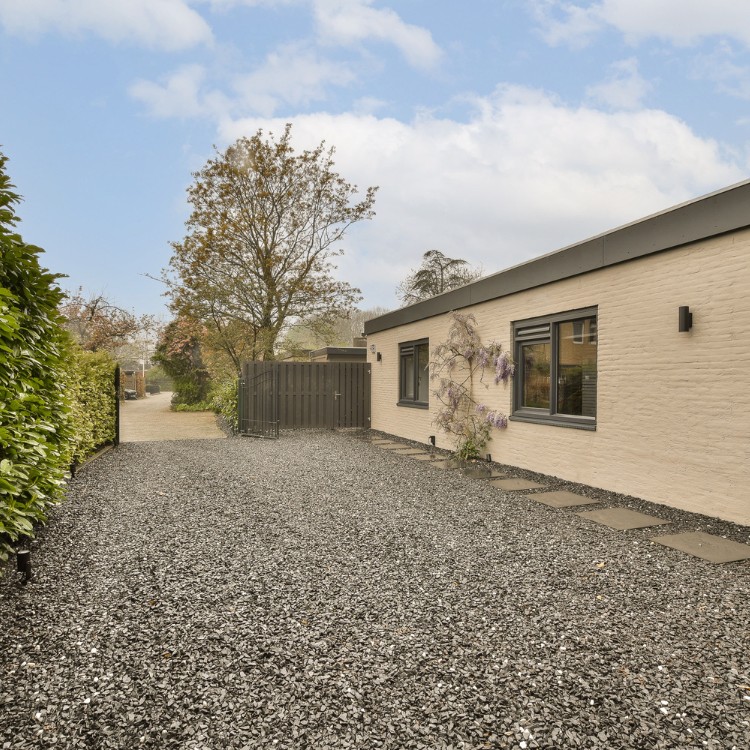
Patio Installation Ideas for Outdoor Living and Relaxation
If your patio has started to feel less “relaxing” and more like a maintenance project—standing water after rain, small cracks that keep widening, or one corner that sits slightly lower—you’re not alone. In McKinney and across North Texas, patios often fail early when the grading and base prep don’t match the way our clay soils expand and contract through the seasons.
A well-built patio isn’t just about looks. It’s about controlling water, supporting the slab with the right materials, and building a surface that stays level and usable for years—so you can actually enjoy outdoor dining, morning coffee, or weekend gatherings without worrying about puddles or trip hazards.
Quick Answer
A durable patio installation in North Texas usually comes down to three things:
- Correct site preparation and compaction (base thickness, subgrade stabilization, and drainage slopes)
- A slab design that accounts for clay soil movement (proper thickness, joints, and sometimes foundation grading coordination)
- A finish that fits your lifestyle (texture for traction, sealing for stain resistance, and optional stamped concrete for style)
If you’re planning a new patio—or replacing one—start with grading and drainage. The “pretty” surface only lasts if what’s underneath is built to hold up.
Patio Installation Ideas That Actually Work (Not Just Look Good)
There are plenty of ways to design a patio for outdoor living, but the best ideas are the ones that match your lot, drainage patterns, and how you’ll use the space.
1) Stamped Concrete Patios for High-End Style
Stamped concrete patios are popular because they mimic stone or brick while staying relatively low-maintenance. We typically recommend a slip-resistant finish—especially if you plan to use the area around a grill, outdoor kitchen, or seating where spills are common.
From a construction standpoint, stamped concrete also requires careful attention to:
- curing time and conditions
- surface prep and release agents
- joint layout so cracking doesn’t look random
2) Concrete Walkways That Flow Into the Patio
Many homeowners plan a patio first, then realize they need better access from the driveway or front door. Adding concrete walkways that connect cleanly to the patio helps with both usability and drainage control.
When we build these transitions, we pay attention to how water moves across the surface so you don’t end up with a low spot at the seam between slabs.
If you’re also reworking pathways, it may be worth reviewing concrete sidewalk installation for a cohesive layout.
3) Patio Layouts That Reduce Water Problems
Good patio design isn’t only about furniture placement. It’s about where rainwater goes.
A common approach we recommend:
- Keep the patio sloped gently away from the home
- Avoid patterns that trap water (like edges that create “bowls”)
- Plan downspout and surface runoff routes early
4) Concrete Patio Installation With Practical Zoning
For long-term comfort, consider zoning:
- dining zone (closer to the kitchen door)
- grill zone (where you want durability and easy cleaning)
- relaxation zone (often covered or shaded)
We’ve found that zoning also makes it easier to plan joints and transitions so the patio doesn’t crack in the most visible areas.
If you want to explore design options and build sequencing, you can start with patio installation and talk through what works on your specific lot.
5) Matching Patio + Driveway/Flatwork for a Cleaner Property
When a patio is built with the same “system thinking” as your driveway and drainage areas, the whole property tends to perform better. That can include:
- matching elevations and slopes
- coordinating where runoff goes
- reducing abrupt transitions that create settlement lines
If you’re planning a wider refresh, it may overlap with driveways or even concrete driveway installation decisions.
Concrete Work Isn’t the Part That Fails—It’s the Prep
Here’s a firsthand observation from the field: we can have two crews pour “the same-looking” patio, and one fails early while the other lasts. The difference is almost always what happened before the concrete truck arrived—especially site preparation, base thickness, and drainage grading.
In North Texas, expansive clay soil can change volume with moisture. If the subgrade isn’t properly prepared and compacted, or if water has a path to sit under the slab, the patio can settle unevenly. That settlement often shows up as:
- hairline cracks that widen over time
- uneven surfaces you can feel underfoot
- damp spots or staining along low edges
What Property Owners Often Overlook
Common mistake property owners make: treating grading like an afterthought
Many homeowners focus on the finish—stamp pattern, color, and texture—while assuming the slab will “find its level.” In reality, flatwork follows the ground beneath it.
A few ways grading gets overlooked:
- believing the yard is “flat enough” when it’s actually shedding water toward the home
- assuming downspouts discharge away from the patio area
- skipping base preparation because the patio seems “small”
- changing landscaping after installation without addressing drainage paths
What We Commonly See in North Texas Soil Conditions
North Texas has a lot of clay. That clay expands when it’s wet and contracts when it dries out. The result can be:
- seasonal movement that’s subtle at first
- settlement that shows up after heavy rain cycles
- more pronounced issues when irrigation is too close to the patio edges
We also see a lot of properties where the patio area gets “fixed” with landscaping rock or decorative fill after the fact. That can create an inconsistent base—one section drains differently than another—leading to uneven support.
If your patio ties into other sitework—like where the yard meets the house—grading matters even more. Homeowners sometimes need coordinated support, which is why we often work alongside foundation grading support when drainage affects the home.
Why Some Concrete Installations Fail Early
Concrete is strong, but it’s not magic. Early failure usually comes from one or more of these:
- Inadequate subgrade preparation (not stable, not properly compacted)
- Base that’s too thin for the soil conditions
- Improper drainage slope toward the wrong direction
- No plan for joints (or joints placed without regard to stress and movement)
- Water intrusion under the slab from nearby grading or runoff
When I review a patio that’s struggling, I often find that the “symptoms” (cracks, surface dips, staining) are the result of unseen movement below the surface.
Construction, Repair, or Maintenance Checklist (Concrete That Lasts)
Whether you’re planning a new patio or keeping an existing one, this checklist helps you think like a contractor about durability.
Site & build planning checklist
- Confirm drainage direction (away from the home and toward planned discharge points)
- Verify base design (thickness and compaction for clay conditions)
- Plan joint placement before pouring
- Choose a finish with traction (especially for wet seasons and around grill areas)
- Discuss surface protection: sealing and cleaning plan
After installation: care steps that protect your investment
- Keep traffic off the patio during curing (follow the installer’s timing)
- Avoid heavy loads right away—settlement can show up if the base isn’t fully locked in
- Watch for runoff changes after landscaping updates
If you’re repairing instead of replacing
If your patio already has issues, the right path depends on what’s happening underneath:
- Surface cracks only may respond to concrete repair and sealing
- Uneven settling often means base stabilization or slab replacement is the real fix
If you’re evaluating repair options, you can review patio installation alongside our approach to slab foundations when movement suggests deeper soil or base concerns.
Concrete Maintenance Tips for Outdoor Living
Maintenance doesn’t have to be complicated, but it should be consistent.
- Clean seasonal debris (leaves and organic matter trap moisture)
- Use a neutral cleaner to avoid damaging the finish
- Reapply concrete sealing based on exposure and traffic
- Inspect joints for gaps or weed intrusion—small issues can grow into bigger ones
McKinney / North Texas Relevance: Why Drainage Wins Here
McKinney homeowners often deal with a mix of new construction and established neighborhoods where drainage patterns vary widely. Add North Texas weather swings—dry periods, then heavy rain events—and you get pressure on any flatwork that wasn’t built with moisture movement in mind.
In practical terms, that means:
- patios should be built with slopes and discharge planning
- irrigation should be adjusted so water doesn’t sit near the slab edges
- downspouts and yard runoff should be reviewed before the concrete is poured
If you’ve had foundation or grading concerns in the past, your patio design should align with how the property manages water. In many cases, coordinating with foundation-related grading helps prevent repeating the same moisture problems in a new slab.
Anonymized Case Example: Uneven Patio After Rain Cycles
Here’s a scenario we see more often than people expect (details changed for privacy):
A homeowner in a North Texas neighborhood installed a backyard patio with a contractor who focused heavily on the decorative finish. After the first few heavy rain seasons, one corner started to look “pulled down” compared to the rest. Water also sat along the low edge.
When we inspected the area, the issue wasn’t the concrete mix—it was the grading and base support. The patio’s slope didn’t consistently direct water away from the slab, and the base preparation didn’t account for the subgrade moisture movement. Over time, that corner settled first, and the cracks followed.
The fix wasn’t simply sealing. The durable solution required correcting the drainage path and rebuilding the slab with proper base support and joint planning.
Quick Comparison: Concrete vs Asphalt for Patio-Style Surfaces
Some homeowners ask whether asphalt makes sense for patio areas. Asphalt can be a good option in certain applications, but it’s not the same as a concrete patio designed for outdoor living.
| Feature | Concrete Patio | Asphalt (Where Allowed) |
|---|---|---|
| Long-term stability | Typically strong when built with proper base and drainage | Can soften/shift with heat and moisture if not built correctly |
| Joints & cracking | Cracks can occur, but joints are planned to manage movement | Surface aging and raveling can show earlier in some climates |
| Slip resistance | Texture options for traction | Smooth areas can get slick when wet |
| Design flexibility | Stamped patterns, colors, custom textures | Limited decorative options compared to stamped concrete |
| Maintenance | Cleaning + sealing schedule | Repairs and resurfacing may be needed over time |
For most outdoor living patios—especially those connected to walkways, dining areas, and entrances—concrete patio installation remains the more predictable long-term surface when the site prep is done right.
Ready-to-Use Recommendation: Plan for Grading Before You Choose the Finish
If you want one contractor-level takeaway, it’s this: choose the patio style after you confirm the drainage path. Once the slope and discharge direction are correct, you can confidently move on to finish options like stamped concrete patios, textured surfaces, and clean transitions to walkways and other flatwork.
If your project also involves retaining features or grade changes, don’t treat that as separate from your patio plan. Poor drainage behind or around retaining elements is a common precursor to settlement problems elsewhere on the property. For that kind of coordination, it’s worth discussing retaining wall construction services as part of the overall site plan.
And if you’re working with larger property improvements—like driveway work that affects runoff—review gravel driveway base prep to ensure drainage and support are consistent across the site.
FAQs
Why do concrete patios crack more in Texas?
Concrete can crack anywhere, but Texas conditions—especially North Texas clay soils—make movement more noticeable. Expansion and contraction from seasonal moisture changes can cause uneven support if the base isn’t properly prepared or if water is allowed to sit under the slab. Cracks may be controlled better when joints are planned and the patio slopes away from the home.
How can I tell if my patio needs repair or full replacement?
If cracks are only cosmetic and the surface is mostly level, repair and sealing may be enough. If you notice uneven settling (a corner is lower, doors stick near thresholds, water pools in consistent spots), that often points to base or drainage issues. Those cases usually require more than patching to prevent the problem from returning.
Should I seal a stamped concrete patio?
Yes, sealing is commonly recommended for stamped concrete patios because it helps with stain resistance and makes cleaning easier. The key is timing and proper product selection. Sealing won’t fix grading problems, though—if water is pooling or the slab is moving, sealing only addresses the surface, not the cause.
How important is grading before pouring a patio?
It’s critical. In a patio installation, grading determines how water moves during storms and where it travels after rainfall. If the patio is sloped incorrectly or runoff is directed toward the home or back toward the slab, you can end up with settlement, staining, and recurring cracking. Proper site preparation is the foundation of long-term performance.
Ready to Improve Your Property With Durable Concrete Solutions?
A beautiful patio is only half the job. The real difference-maker is site preparation—base support, drainage direction, and a slab plan that works with North Texas soil movement.
If you’re planning a new outdoor living space in McKinney or you’re dealing with recurring patio drainage and cracking, we can help you map out the right approach before construction starts—so you get a patio you can relax on, not repair every season.
About TopCore Concrete
TopCore Concrete provides slab foundations, retaining walls, patios, grading, parking lots, sidewalks, and concrete flatwork services throughout McKinney, TX and surrounding North Texas communities. The company focuses on durable construction, proper site preparation, long-term structural performance, and helping homeowners and businesses improve their properties through professional concrete and grading solutions.