
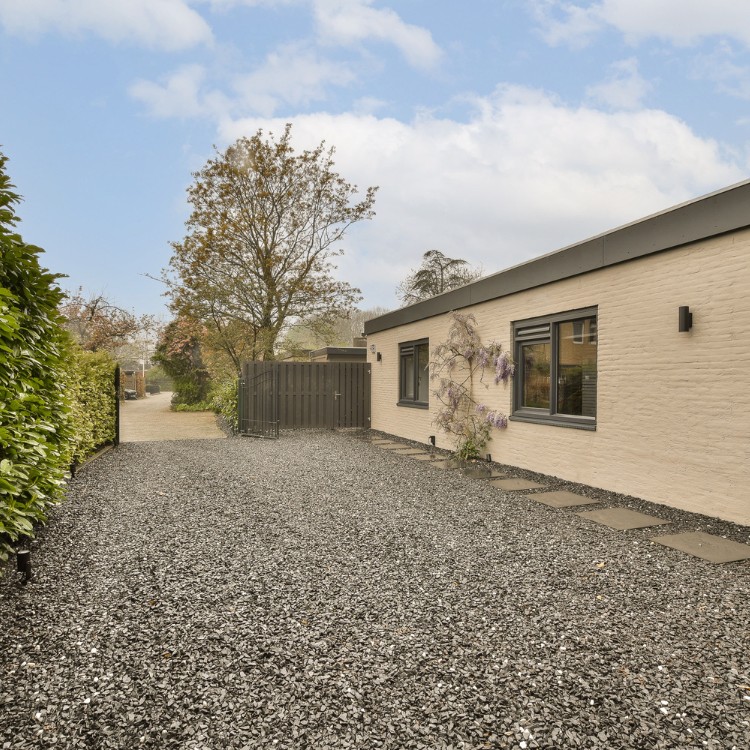
Patio Installation Ideas Grounded in Quality Concrete
If your McKinney, TX backyard patio is uneven, cracking near the edges, or draining poorly after rain, the fix usually starts before the first slab gets set. This guide walks you through practical design choices, the concrete slab installation details that matter, and what to ask so your patio looks great and performs well for years.
It starts with a simple question: “Should we patch the concrete or replace it?” Maybe the patio is rocking in one corner, pooling water after storms, or developing hairline cracks that seem to grow every season.
In McKinney, TX, patios also have to handle big temperature swings and heavy rain cycles. That means the foundation and site preparation beneath your concrete patio are just as important as the surface finish.
This guide will help you understand what to check first, which patio styles hold up better, and how slab foundations, proper grading, and concrete flatwork work together. You will also get a checklist you can use when planning a new patio installation or evaluating foundation repair and concrete repair needs.
Quick Answer
If you want a patio that stays level and drains properly, focus on the “under the concrete” steps: site preparation, land grading services, and the right base for concrete slab installation. A good patio design also considers expansion joints, thickness, and where water will go after rain. In McKinney, TX, a patio that is built on poor grading often shows issues sooner, like pooling and edge cracking. Start by evaluating drainage and the base condition. Then plan your concrete patio installation around those findings rather than the surface finish alone.
What to Check First
Before you pick stamped concrete patios or a decorative border, take a quick homeowner-style assessment. The goal is to identify whether the problem is mostly aesthetic or mostly structural.
Look at drainage paths
After a rain, check where water collects. If it pools against the house or remains trapped in low spots, grading and foundation leveling may be driving the issue.
Inspect edges and joints
Cracks that follow edges, seams, or expansion joints often indicate movement, lack of proper jointing, or insufficient base preparation for concrete flatwork.
Check for rocking or voids
If sections feel uneven when you walk on them, the base may have settled. That is a common reason slab repairs do not hold long-term without proper site prep.
If you are considering a patio replacement that connects to other surfaces, it can help to review related work. For example, if your patio ties into a walkway or driveway area, the finishing and elevation approach should match. Explore concrete sidewalks for examples of how elevations and joints are planned across flatwork projects.
Main Things Customers Should Understand
Patio installation ideas look great online, but lasting performance depends on a few fundamentals. Use these factors to guide your decisions and help you avoid rework.
Professional observation: A beautiful stamped concrete patio can still fail early if the site preparation and foundation support underneath are not done correctly. Most “surface” problems are actually “base” problems.
1) Site preparation is the real starting line
Concrete patio installation is more than pouring. Proper site preparation controls settlement, helps drainage, and supports a stable finish. That typically includes removing unsuitable material, preparing the base, and setting the area up for correct slope.
If you already have a gravel driveway or rough base in adjacent areas, it is worth coordinating the approach. TopCore Concrete offers gravel driveway services that can help align the base and drainage strategy across the property.
2) Grading and slope should be planned, not guessed
Patios need a slope that directs water away from the home and toward your drainage goals. Poor grading leads to standing water, faster wear at the surface, and more frequent maintenance.
For many projects, grading work pairs naturally with the rest of the concrete scope. If you are dealing with broader site slope concerns, review foundation grading services so the patio and the surrounding elevations are consistent.
3) Choose a finish that matches your climate and use
Stamped concrete patios are popular because they add curb appeal, but durability depends on the overall concrete mix and installation method. Think about:
- Traffic pattern: Where will grills, chairs, and foot traffic concentrate?
- Sun and shade: Surface appearance can vary with exposure.
- Slip resistance: Textures and finishes should work for wet conditions.
4) Plan joints and edges for movement
Concrete naturally expands and contracts. Proper jointing helps control cracking and makes repairs easier if something ever shifts. Edges also need attention so water does not infiltrate around the slab.
5) Coordinate with retaining walls or elevation changes
If your patio sits near a slope, grade change, or retaining wall, the concrete design should account for those forces. For properties with level changes, consider retaining walls so the patio base and adjacent support work as a system.
Why This Matters in McKinney, TX
McKinney, TX homeowners often notice patio trouble after heavy rain or seasonal temperature swings. When water does not move away from the slab area as intended, it can amplify issues like surface deterioration and edge cracking. The local reality is that patios are exposed and move through multiple weather cycles, so the best-looking patio is the one built with stable base support and deliberate drainage.
Another local factor is property layout. Many homes have patios tied to entry paths, driveways, and walkways, which means your flatwork elevations need to match. When adjacent concrete projects are coordinated, joints and transitions are less likely to become the weak point.
Common Mistakes to Avoid
Most patio problems are preventable. Here are a few common mistakes homeowners make when planning concrete patio installation.
Quick homeowner check: If your plan only focuses on color, patterns, or aesthetics, you are missing the parts that control long-term performance.
- Skipping site preparation details: Pouring concrete over unsuitable material can lead to settlement and uneven areas that are harder to fix later.
- Ignoring drainage after rain: If water pools on the patio, it can accelerate wear and contribute to cracking near edges and joints.
- Choosing a finish without matching use: Style matters, but so does how the surface performs for wet conditions and daily traffic.
- Underestimating the importance of slab thickness and base support: Concrete flatwork needs a structure that fits the intended load and the site conditions.
- Not coordinating with nearby concrete: Transitions between patios, sidewalks, driveways, and slab areas should be planned so elevations do not create weak points.
Customer Checklist
- Confirm how water will drain after storms, including away from the home.
- Ask what site preparation steps will happen before concrete slab installation.
- Discuss grading approach and how slope will be set for the patio surface.
- Review joint placement plans for cracking control and easier maintenance.
- Choose a patio finish that fits your household use and wet-weather conditions.
- Coordinate elevations with nearby concrete areas (walkways, driveways, or steps).
Representative Scenario
Imagine a McKinney, TX homeowner with a patio that looks fine during dry weather, but after heavy rain the surface stays damp and water runs toward the house. Over time, small cracks appear near the slab edges. Instead of treating it like a cosmetic issue, the better path is to address the drainage and grading setup that affects the base. Once the site preparation and slope are corrected, the patio finish can be installed with jointing and edge details designed for movement. That approach reduces the chance of repeat problems and supports a cleaner long-term look.
Plan your patio around performance, not just appearance
Talk with TopCore Concrete about your patio goals and the concrete slab installation details that support level, durable flatwork in McKinney, TX.
Contact TopCore ConcretePatio Installation Choices: What to Decide
| Decision point | Common customer goal | Concrete-focused consideration |
|---|---|---|
| Stamped concrete patios vs. smooth finish | Boost curb appeal | Finish selection should align with jointing, edge details, and how the surface performs in wet conditions for long-lasting concrete repair-friendly maintenance. |
| Replacement vs. resurfacing | Improve appearance without unnecessary work | If the slab is uneven or drainage is the issue, replacement and proper site preparation often matter more than surface-only improvements. |
| Integration with walkways or steps | Create a clean transition | Elevation matching and joint planning across concrete walkways and concrete steps installation help prevent weak points at connections. |
| Drainage and slope strategy | Stop pooling water | Land grading services plus foundation grading alignment reduce the chance of persistent water problems after concrete patio installation. |
Frequently Asked Questions
How do I know if my patio needs replacement versus concrete repair?
If your patio is uneven, rocking, or shows recurring edge cracking after rain, the cause is often deeper than the surface. Concrete repair may help when issues are localized, but when drainage and base support are the problem, a new installation with correct site preparation tends to be the more practical long-term option. A key homeowner clue is whether problems return after weather cycles. If water pools or the slab shifts, ask about the base and grading plan, not just the finish.
What should I ask about site preparation for concrete slab installation?
Ask what material is being removed, what the base will be, and how the area will be prepared to support a stable slab. You can also ask how slope will be set so water drains correctly. Since patios are part of your overall flatwork system, ask how the team will coordinate elevations with nearby concrete, including concrete walkways, steps, or driveway edges. Clear answers usually mean the project is being planned as a foundation-level system, not just a surface pour.
Are stamped concrete patios worth it for a backyard in McKinney, TX?
Stamped concrete patios can be a great choice when the concrete base and installation details are done correctly. The pattern and color can improve appearance, but performance depends on the slope, jointing, and edge protection. In McKinney, TX, patios also experience seasonal temperature swings and heavy rain cycles, so the foundation support and drainage plan are what help the finish hold up. Choose a design you like, then make sure the preparation and joint strategy are built for long-term durability.
Can foundation grading affect my patio?
Yes. Foundation grading and land grading services influence how water moves across your property. If water is directed toward the home or toward the patio area, it can contribute to settlement and cracking patterns over time. When your patio is near grade changes, downspouts, or other flatwork connections, aligning grading with the concrete plan helps reduce repeat issues. If you are also dealing with foundation repair or foundation leveling concerns, it is smart to consider how those fixes coordinate with your patio elevations.
What’s the biggest cause of patio cracking near the edges?
Edge cracking often comes from movement and water management issues. When the base is not properly prepared or drainage is not directed away from the slab, water can collect and affect the slab’s support over time. Concrete naturally expands and contracts, so jointing and edge details are also critical. If you see cracks that appear or worsen after rain, it is a sign to look beyond the crack itself and evaluate grading, base support, and how water is flowing around the patio.
Ready to talk patio installation in McKinney?
If you want a patio that holds its shape and drains correctly, TopCore Concrete can help you plan a concrete flatwork approach built around site preparation and slab performance.
Explore patio installation services