
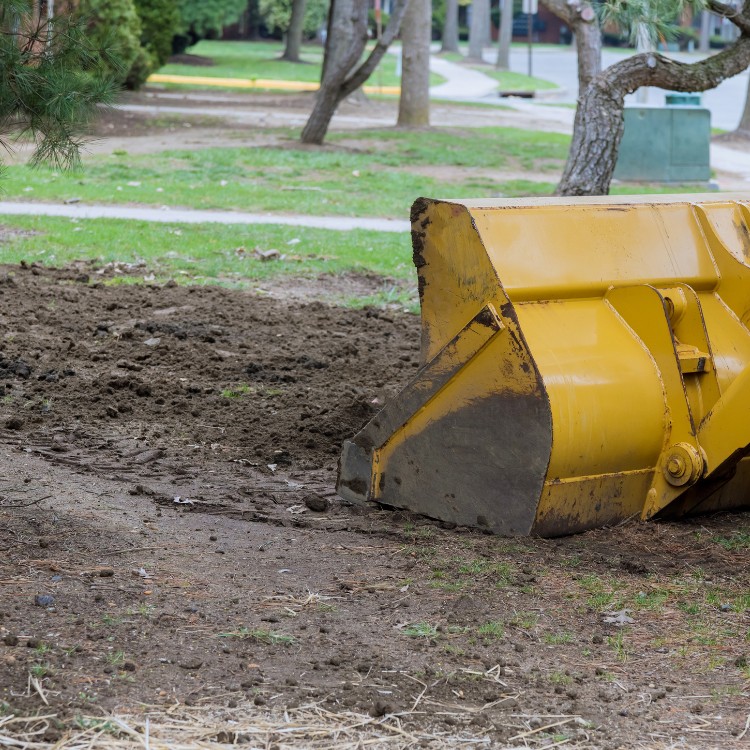
Foundation Grading for Stable Slab Foundations
If you see slow drainage around your home, small slab settlement, or doors that do not close the same way, the grading around the foundation may be part of the problem. This guide explains how foundation grading supports stable concrete slab foundations, what to check first, and what common mistakes can make symptoms worse in McKinney, TX.
A few months after a heavy rain, you notice water lingering near the foundation instead of moving away. Later, you see new hairline cracks in concrete or a patio that looks slightly “off.” You start wondering if the slab is settling or if the soil and surface drainage were simply working against the foundation.
Foundation grading is one of the most practical ways to help manage water and reduce pressure changes that can contribute to foundation movement. This guide helps you understand what grading does, what signs are worth investigating, and how to plan next steps before minor issues become expensive concrete repairs.
Quick Answer
Foundation grading reshapes the soil and surface elevations around a concrete foundation so rainwater flows away instead of pooling near slab edges. For slab foundations, grading needs to complement drainage paths like gutters, downspouts, and walkways, not fight them. If you see standing water, recurring damp spots, or signs of foundation repair needs, a practical first step is to inspect how water moves after a storm. Then, plan grading adjustments that match your property’s site conditions. TopCore Concrete can also coordinate related concrete work when slab surfaces and flatwork need attention.
What to Check First
Before any soil gets moved, focus on the “water story” around your home. The goal is to confirm that grading is actually the missing piece, not just a symptom.
Observe after rainfall
Look for puddling, slow seepage, or runoff that tracks toward the foundation corners.
Check downspouts and discharge
Confirm downspouts route water away from slab edges and do not dump back toward the structure.
Inspect concrete transitions
Note where driveways, sidewalks, patios, or steps meet the foundation area and whether they slope properly.
If you already have a foundation concern, you may also want to review related concrete services. For example, if drainage issues are affecting flatwork, it can connect to driveways or concrete sidewalks that need correct slope and site preparation.
Main Things Customers Should Understand
Foundation grading is not just “adding dirt.” It is a controlled change to site elevations and drainage routes that affects how water behaves around concrete foundations and concrete slab installation areas.
Professional observation: In the field around McKinney, many slab foundation complaints trace back to water not leaving the right direction, especially near corners and where concrete flatwork meets soil.
1) Drainage control helps reduce movement triggers
When grading allows water to pool, it can increase moisture around soil that supports the slab. Over time, that moisture behavior can contribute to foundation repair needs and foundation leveling conversations. Correct grading supports more consistent moisture conditions.
2) Slab edges need compatible slopes and transitions
Even if the grade near the foundation looks “fine,” a driveway or patio with the wrong slope can send water back toward the foundation. That is why grading plans often coordinate with concrete flatwork and surface drainage.
3) Retaining walls can change the grading strategy
If your property has a slope, a retaining wall may be part of keeping backfill stable. In those cases, grading is designed around how water moves across the site and how retaining structures manage lateral pressure. If you are working in that direction, see retaining walls for context on how the site may be structured.
4) Foundation grading often pairs with other concrete services
When elevations shift, nearby concrete surfaces may need adjustment to keep proper drainage and safe footing. Depending on your situation, you may also be considering foundation grading as part of a broader plan that can include patio updates and walkways.
| What you notice | Likely grading-related cause | What TopCore Concrete typically coordinates |
|---|---|---|
| Water pools near foundation corners after storms | Surface elevations and drainage routes push runoff toward the slab edges | Site adjustments, drainage paths, and related concrete transition corrections |
| Patio or walkway slopes seem “wrong” | Concrete flatwork transitions trap water or direct it back toward the foundation | Concrete slab and flatwork alignment support, including patio installation planning when needed |
| Soil washout around the foundation edge | Runoff concentrates at weak points due to grade or surface drainage design | Grading and surface preparation to reduce concentrated flow |
| Cracks appear after repeated wet seasons | Moisture swings from drainage issues can contribute to slab movement triggers | Grading support alongside concrete repair strategy |
Why This Matters in McKinney, TX
In McKinney, TX, homeowners often deal with weather swings that can make drainage problems show up quickly. After heavy rainfall, water tends to seek the lowest points, and if the yard or hardscape grading is not directing it away, you can see pooling near the foundation. Properties with driveways, side yards, and patios built at different times can also create uneven transitions that change how runoff behaves.
One firsthand-style pattern we see: a home that “looks level” in daylight may still drain poorly during storms, because the real test is how water travels across the surface when it is moving fast and carrying sediment. Correcting foundation grading can help shift that path so water consistently leaves the foundation area.
Need help figuring out whether grading is part of the problem?
TopCore Concrete can review foundation grading needs around your slab so you know what to address first, especially when water is pooling near the foundation edges.
Call TopCore ConcreteOr: (469) 885-8590
Common Mistakes to Avoid
Grading is one of those jobs where small errors can keep water problems going even after you “fix” the yard. Here are the most common mistakes homeowners run into.
- Adding soil without changing drainage routes: Moving dirt around without ensuring runoff goes away from the foundation can worsen pooling.
- Ignoring downspout discharge points: If gutters send water right back toward the slab edges, grading alone may not solve the moisture trigger.
- Forgetting concrete transitions: A driveway replacement, sidewalk, or patio with the wrong slope can direct water back toward the foundation.
- Assuming a small crack always means a foundation issue: Cracks can be related to concrete movement, moisture, or surface settlement, and grading may still be part of the broader picture.
- Waiting until the problem is severe: If water is repeatedly pooling after rain, addressing grading sooner can help prevent more concrete repairs.
Customer Checklist
Use this quick checklist to prepare for a foundation grading conversation in McKinney, TX. Bring these notes to help your contractor understand the symptoms.
- List the dates when water pooled near the foundation after heavy rain.
- Note where pooling happens most: corners, along one side, or near patios and walkways.
- Verify downspouts discharge location and whether it changes during storms.
- Check whether nearby driveways, sidewalks, or patios slope away from the home.
- Take photos of the foundation edges and the surface grade from multiple angles.
- Write down any related symptoms, like sticking doors, new cracks, or repeating damp spots.
- Confirm if you have retaining features on the property that affect how soil is held and graded.
Representative scenario (what this often looks like)
A homeowner in McKinney notices that after rainstorms, water collects along one foundation side and slowly drains toward the backyard. The driveway and walkway were added years apart, and the transitions do not appear to direct runoff consistently away from the slab. After observing the pattern during a storm, the grading plan focuses on reshaping the near-slab elevations and correcting drainage routes so water leaves the foundation area. Once the site drainage is improved, the homeowner can better evaluate whether additional concrete work is needed to keep flat surfaces performing as intended.
Frequently Asked Questions
How do I know foundation grading is the right first step?
Start by watching where water goes during and after a storm. If you see pooling near slab edges, damp areas that repeat, or water consistently running toward the foundation, grading is often a key factor. It is also helpful to check downspouts and hardscape transitions, like where driveways, sidewalks, or patios meet soil. If you have concrete issues such as cracks or uneven surfaces, grading may still be part of the cause, but it should be evaluated alongside the broader concrete condition. A contractor can help you connect the drainage pattern to the foundation symptoms.
Will foundation grading fix foundation repair issues by itself?
Foundation grading can address a major trigger for slab movement by improving how water is managed around the concrete foundation. However, it does not automatically “reverse” all foundation-related problems. Some homes require additional concrete work, like correcting flatwork slopes, repairing affected surfaces, or coordinating with other site elements such as retaining walls. The practical approach is to match the grading plan to the observed drainage behavior and then determine whether other concrete services are needed to complete the repair strategy.
How does grading affect concrete slab installation and flatwork?
Grading changes the elevations and surface transitions around the slab. If the yard grade shifts, nearby concrete flatwork may need adjustment so water drains away instead of toward the home. That is why grading and concrete work are often planned together, especially at the edges where slabs meet soil or where patios and walkways connect to the foundation area. Getting the slope right helps support long-term performance of concrete surfaces and can reduce recurring moisture issues.
Can retaining walls change the grading plan?
Yes. If your property has a slope or a retaining feature, the grading strategy needs to respect how backfill is held and how water flows across the site. Retaining walls can influence where runoff travels and how the soil settles over time. In those cases, foundation grading is typically coordinated with the existing site layout so drainage does not concentrate in ways that create washout or moisture buildup near the slab.
What are the most common warning signs of poor drainage near a slab?
Typical signs include water pooling after rain, damp spots that reappear near foundation edges, and runoff that tracks toward corners. You may also notice concrete symptoms that seem to worsen after wet seasons, such as new hairline cracks or surfaces that appear slightly misaligned. If your downspouts discharge near the foundation or if patios, sidewalks, or driveways direct water toward the home, those patterns are strong clues. Documenting the behavior after storms makes it much easier to diagnose the cause.
Get a clear next step for foundation grading
If water is pooling near your slab in McKinney, TX, a site-focused grading plan can help address the drainage pattern that contributes to slab movement triggers. Contact TopCore Concrete to discuss what to fix first and how grading can work with your existing concrete surfaces.
(469) 885-8590