
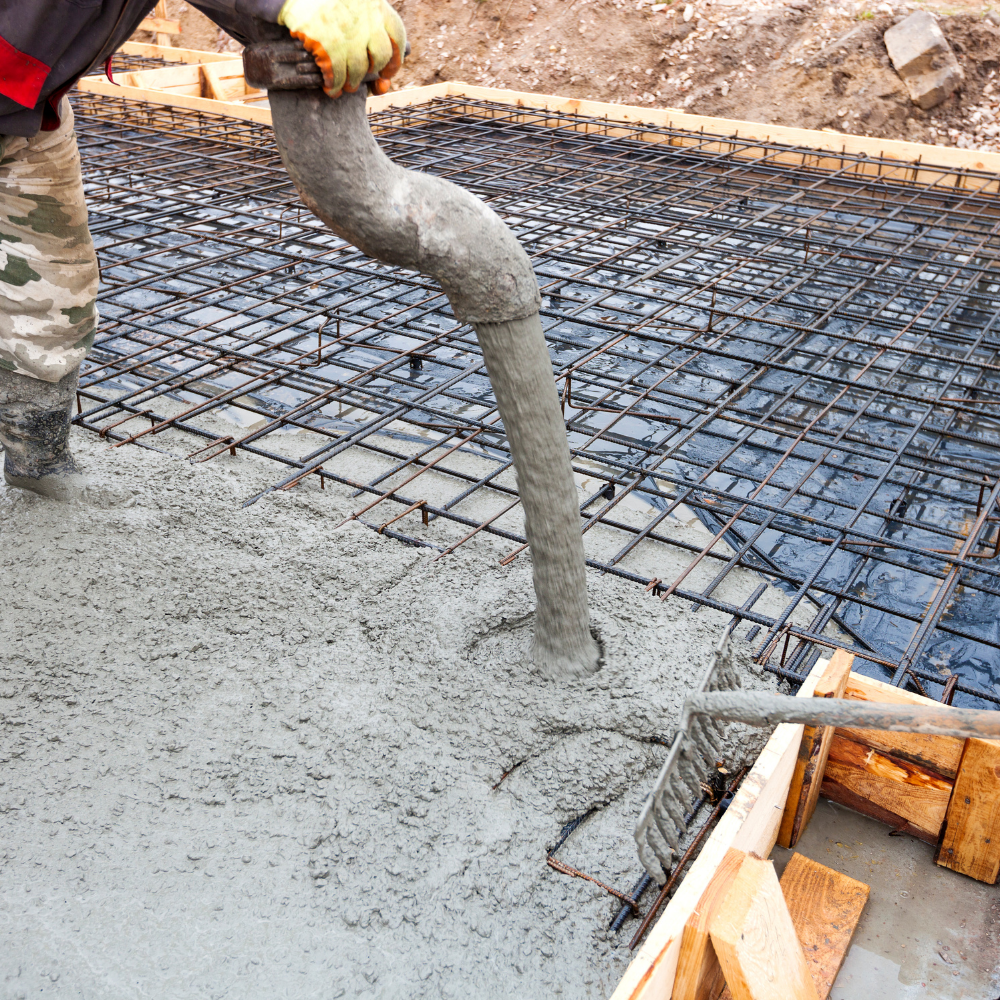
Retaining Walls That Blend Strength and Beauty
If your yard is sloping, cracking, or holding water after storms, you may be thinking about a retaining wall. This guide explains how retaining walls are built to manage soil pressure, how drainage affects performance, and how to plan for a look that fits your property in McKinney, TX.
After a heavy rain, you notice muddy runoff creeping toward the house line, or the soil at the edge of your lawn starts to slump. In McKinney, TX, these concerns show up often when a yard has a noticeable grade and water has a clear path downhill.
You might also be dealing with visible movement, like uneven ground near a fence, a walkway edge that no longer lines up, or landscaping that keeps settling. A retaining wall can help control the slope and protect what’s behind it, but the “right” design depends on site conditions.
Below, you’ll find a homeowner-friendly checklist for planning a retaining wall, plus the most common mistakes that lead to extra repairs. You’ll also see how wall work connects with other concrete services like foundation grading, slab foundations, and patio installation.
Quick Answer
A retaining wall should be designed around two priorities: controlling soil pressure and managing water behind the wall. Before choosing a look, confirm the plan includes proper site preparation, drainage considerations, and a foundation that matches the soil conditions on your property in McKinney, TX. If you’re seeing slumping, pooling water, or ongoing movement, ask a concrete professional to evaluate the grade and recommend the wall approach that fits your site. For many homeowners, pairing wall work with foundation grading helps keep runoff moving where it should.
What to Check First
Start with the practical questions. A retaining wall is not just a surface feature, it’s a system that needs the right base and the right water strategy. Here’s what to inspect before you commit to a design.
Where is the soil moving?
Look for slumps, gaps, or changes in grade near fences, steps, or walkways. If the movement is ongoing, the wall design may need to address active pressure, not just appearance.
Where does water go?
After rain, follow runoff lines. If water collects behind the wall area or seeps toward structures, drainage details become part of the wall’s performance.
What’s around the wall area?
Check whether you’ll need to adjust concrete flatwork, like concrete sidewalks or steps, so the finished surfaces align with the new grade.
Main Things Customers Should Understand
Once you’ve identified the problem area, the next step is understanding the decisions that control long-term results. You don’t need technical jargon. You just want to know what to ask for and what affects how the wall performs over time.
Professional observation: Retaining walls often fail where water pressure builds up behind them. Even a wall that looks level can struggle if drainage paths are blocked or if the wall base was not prepared correctly.
1) Site preparation and base support
Strong retaining walls start with how the ground is prepared. That includes clearing the area, addressing unsuitable material, and building a base that supports the wall system. If the foundation is inconsistent, the wall can settle unevenly even when the visible face looks intact.
2) Drainage and water management
Water is one of the biggest drivers of movement in sloped yards. A proper wall plan considers how water will exit the retained soil area, reducing pressure against the wall. This is especially relevant in properties where rainfall runoff naturally collects along one edge.
3) Wall layout and aesthetics that match the property
Homeowners usually want the wall to “fit” visually, not just function. The right layout considers sight lines from the driveway, walkways, and patio areas. If you’re planning to upgrade outdoor living surfaces too, it can make sense to coordinate timing and elevations with patio installation.
4) How the wall connects to other concrete features
Retaining walls often border walkways, steps, or driveway edges. If the wall changes the grade, surrounding concrete can need adjustments so you avoid tripping hazards and misaligned edges. In some cases, driveway work and wall work go together for a cohesive yard plan, especially when you’re also considering driveways.
| Decision point | What to ask | Why it matters |
|---|---|---|
| Base and foundation support | What preparation is done before the wall is built? | Helps reduce uneven settling and keeps alignment tighter over time. |
| Drainage approach | How will water behind the wall be managed? | Reduces pressure buildup that can contribute to movement. |
| Integration with existing flatwork | Will any nearby concrete edges or steps need adjustments? | Improves safety and helps the new grade transition smoothly. |
| Finishing and property fit | How will the wall look from the driveway and yard? | Gives you a result that blends strength and beauty, not just coverage. |
Why This Matters in McKinney, TX
McKinney properties commonly include established landscaping, mature trees, and yards that were shaped over time. When the slope is already pushing runoff downhill, a retaining wall becomes a way to protect the land and keep outdoor spaces usable after storms.
Local insight: If your property has a driveway or walkway path that catches runoff, the wall plan should consider how water will travel during rainy periods. Coordinating drainage and grade can help keep the area around your home looking clean and controlled.
A representative scenario (what this looks like on site)
A homeowner near McKinney, TX noticed their yard edge had started to “drop” a few inches over the past couple of rainy seasons. The fence line remained mostly straight, but the soil behind a low boundary looked darker and wetter after storms. The fix wasn’t just adding wall height. The successful approach included addressing the retained soil area, planning for water movement, and coordinating the transition so nearby concrete surfaces stayed aligned.
Plan your retaining wall with the right site details
If you’re seeing slumping, pooling water, or edges that no longer line up, TopCore Concrete can help you think through the practical next steps for your property in McKinney, TX & surrounding areas.
Contact TopCore ConcreteCall: (469) 885-8590
Common Mistakes to Avoid
Retaining walls are built for the long game. These are the mistakes homeowners sometimes make when they focus too much on appearance or choose a solution without matching it to site conditions.
- Choosing a wall layout without confirming where runoff travels during storms.
- Overlooking base preparation, which can lead to uneven settling even when the face looks solid.
- Ignoring how the wall affects nearby concrete edges like walkways, steps, or patio transitions.
- Assuming “level” on day one guarantees performance, even if drainage behind the wall is not addressed.
- Delaying coordination with related work, such as grade adjustments around the home using foundation grading.
Customer Checklist
Use this list to keep your questions focused and your project planning organized. If you can answer these points clearly, you’ll be better prepared for a concrete crew to outline a practical plan.
- Identify the exact area where soil movement or pooling occurs (and how long it’s been happening).
- Note where water goes after rain and whether it approaches fences, walkways, or house-side landscaping.
- Measure the approximate height and length of the slope you want to retain.
- List nearby concrete features that may need adjustment, such as parking lots edges, sidewalks, steps, or patio surfaces.
- Decide how you want the wall to blend visually with your property, including sight lines from the driveway.
- Ask how drainage and site preparation are handled so the wall can perform, not just look good.
Practical recommendation
If you’re also planning other concrete improvements, consider sequencing. Coordinating retaining wall work with adjacent concrete projects can reduce the number of times surfaces are disturbed. Many homeowners find it helpful to align elevations so the finished grade supports smooth transitions from the yard to patios, walkways, and driveway edges.
Frequently Asked Questions
How do I know if my retaining wall needs drainage improvements?
If you notice water collecting behind the wall area, dark or saturated soil after rain, or ongoing movement at the same spots, drainage is likely part of the problem. A wall can look fine from the front while still experiencing pressure from water buildup. Ask your concrete contractor what water paths are planned so the retained soil area does not keep pushing against the wall. In McKinney, TX, rainy periods can make drainage issues show up quickly, especially along natural runoff lines.
Will a new retaining wall affect my sidewalk, steps, or patio?
It can. Retaining walls change the grade, and that often changes how nearby concrete edges meet the yard. For example, a walkway or patio transition may need adjustment so the slopes remain safe and the edges align. If you’re planning concrete patio installation around the same time, coordinating elevations early can help the project feel cohesive. A professional plan should account for where surfaces connect before any concrete is finalized.
What’s the biggest reason retaining walls settle unevenly?
Uneven settling usually points back to base support and site preparation. If the ground beneath the wall system is not properly prepared or if unsuitable material remains, the wall can settle in one area more than another. Even if the face looks straight at first, the underlying support can shift over time. Ask how the area is prepared before the wall is built and what steps are taken to create consistent support along the wall length.
Can I build a retaining wall myself, or should I hire a concrete team?
Some homeowners handle small landscaping projects, but retaining walls are different because they are designed to manage soil pressure and water movement. The best approach is to hire a concrete team when the slope is significant, when you see ongoing slumping, or when nearby structures and concrete flatwork are affected. A local contractor can review the site conditions and recommend practical steps for base support, drainage considerations, and finishing so the wall blends strength and beauty.
How do retaining walls connect to foundation issues?
Retaining walls and foundation performance can be linked through drainage and grading. If water runoff or soil movement impacts the way water flows around your home, it can create problems near the foundation. That’s why homeowners sometimes coordinate retaining wall work with foundation grading to help direct water where it should go. If you’re dealing with signs of foundation movement, it’s worth discussing the grade and drainage plan as one system, not separate projects.
Ready for a wall that looks great and holds up?
TopCore Concrete builds retaining walls with a focus on both performance and finish for homeowners and property owners in McKinney, TX and surrounding areas.
Call TopCore Concrete