
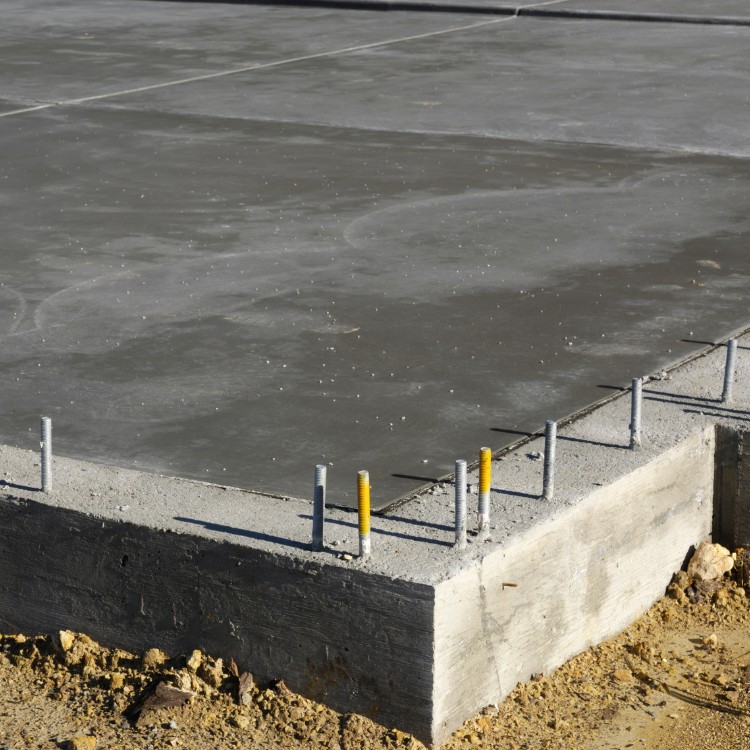
Slab Foundations and Foundation Grading for True Level
When a slab looks “close enough” but doors stick, water collects near the house, or floors feel uneven, the fix often starts before concrete ever gets involved. This guide explains how slab foundation construction and foundation grading work together to support a true level feel for homes and properties across McKinney, TX.
You notice it a few weeks after a dry spell ends: a shallow puddle forms near the foundation, a patio edge looks slightly “off,” and the gap under one exterior door seems bigger than it used to. In McKinney, TX, that combination can point to drainage and grading issues that affect how the slab behaves over time.
Homeowners also ask a common question: is the slab itself the problem, or is the site around it pushing things out of level? This article helps you sort through the practical signs, understand how foundation grading supports concrete slab installation, and know what to request when you talk with a concrete contractor.
Quick Answer
True level starts with the site, not just the concrete. If water can sit next to the foundation or if the soil is not graded to shed moisture away, a slab can shift or settle enough to create uneven floors and door or exterior transitions. Start by checking drainage patterns, low spots, and where water travels after rain. Then ask whether your project needs foundation grading (and possibly foundation repair or foundation leveling) along with the slab work. If you are planning new concrete foundations, prioritize site preparation and a properly built base before concrete slab installation.
What to Check First
Before you assume the slab is failing, look for the most telling clues. These checks are simple, but they help you ask better questions and avoid costly rework.
1) Water behavior after rain
Watch where water goes along the exterior. If it pools near the foundation, the grading plan may not be directing runoff away.
2) Surface transitions
Check edges where concrete meets siding, steps, or a walkway. Uneven transitions often track back to site preparation and elevation changes.
3) Signs around doors and windows
Sticking doors or changing gaps can be a symptom of movement or drainage-related settlement, especially when grading has shifted.
If you are also dealing with exterior flatwork, it can help to consider related concrete work. For example, if your entry area needs attention, you may want to review concrete sidewalk installation options that match the corrected elevations.
Main Things Customers Should Understand
Slab foundations and foundation grading are connected. Even a well-built slab can develop problems if the surrounding site does not manage moisture and elevation properly.
1) “True level” is about the system
People often imagine level as one measurement at a single point. In practice, it is a system: base preparation, compaction, drainage pathways, and how exterior surfaces relate to the foundation line. When one part is off, the effect shows up elsewhere.
2) Concrete slab installation depends on site preparation
Concrete foundations start with what is underneath and around them. During site preparation, crews need to account for how water will move, how the base is built, and how elevation will be maintained so the slab and surrounding concrete stay aligned.
3) Foundation grading supports drainage and helps control settlement
Foundation grading services focus on how the ground slopes away from the structure. When grading is done correctly, it helps reduce moisture problems that can contribute to foundation repair needs over time. If you are already seeing symptoms, foundation grading is often the starting point to create a better drainage path.
Professional observation: Most “level” complaints we see are tied to moisture movement. When grading directs water consistently away from the foundation line, the slab and adjacent concrete usually behave more predictably.
4) When the project includes more than the slab
In many properties, slab foundation concerns show up alongside exterior concrete that has been replaced, repaired, or added later. If your property has multiple surfaces, planning the sequence matters so the elevations and runoff paths remain consistent.
| What you notice | Most likely scope to discuss | Why it matters |
|---|---|---|
| Water collects near the foundation after rain | Foundation grading and site preparation | Correct grading helps direct runoff away so moisture does not concentrate at the foundation perimeter. |
| Uneven transitions between exterior concrete and the home | Foundation leveling or foundation repair planning, plus related flatwork | Fixing elevation where concrete meets the structure reduces trip hazards and improves alignment. |
| Floor feel changes with door or window operation | Foundation assessment with foundation leveling or repair (as needed) | Movement can be subtle, and drainage-related settlement can be part of the cause. |
| New build or major exterior work planned | Site preparation and slab foundations built for long-term drainage control | A strong base and drainage plan reduce the chance of future elevation shifts. |
Why This Matters in McKinney, TX
McKinney properties often include a mix of older slabs and newer additions, with driveways, patios, and walkways added over time. That history matters. If exterior work was done without aligning the grading pattern to the foundation line, water can begin traveling in unexpected ways. Over seasons, that can show up as uneven concrete flatwork, settling at transitions, and recurring wet spots.
One homeowner-style detail we commonly see: the “problem area” is not always the lowest spot on the yard. It is sometimes where the grade changes near the foundation or where an exterior surface directs runoff back toward the structure.
Local tip: If you are planning driveway or patio upgrades, coordinate the elevations with the rest of your drainage plan. A new surface can improve the look, but it can also redirect water if the grading is not matched.
If your project includes exterior concrete beyond the foundation, these services may connect to your overall elevation and drainage goals: patio installation and concrete driveway installation.
Get clarity on slab vs. grading scope
If you are deciding what to fix first, a focused conversation can help you avoid paying twice. Call TopCore Concrete and talk through what you are seeing around your foundation and exterior concrete.
(469) 885-8590Common Mistakes to Avoid
These are the missteps we see most often when customers are trying to get back to a true level feel.
- Fixing only the concrete surface. If water is the driver, a slab or walkway repair can be temporary.
- Ignoring how exterior drainage is routed. Even a small grade mismatch near the foundation can concentrate moisture.
- Assuming “it’s probably the slab.” Doors, windows, and transitions can shift due to site preparation and foundation grading issues.
- Replacing flatwork without coordinating elevations. New concrete flatwork should match the corrected grade so it does not create new low spots.
- Waiting until symptoms worsen. If water is pooling, addressing grading sooner is usually the more practical path.
Customer Checklist
Use this short list when you talk with a contractor about slab foundations and foundation grading for true level results.
- After rain, can you clearly describe where water flows and where it collects near the foundation?
- Have you noted transitions that feel uneven, including steps, walkways, or patio edges?
- Have you checked door operation and window gaps for changes over time?
- Do you know whether any exterior surfaces were added or replaced after the original slab?
- Are you asking for an approach that includes site preparation and foundation grading, not just concrete replacement?
- Are you planning how the corrected grade will affect future concrete work (driveways, sidewalks, patios)?
Representative scenario: McKinney backyard drainage
A homeowner in McKinney noticed water lingering along the back edge of the house after storms. The interior floors did not show dramatic cracks, but exterior steps and a nearby concrete walkway felt slightly out of alignment. The property also had recent hardscape updates that changed how runoff traveled.
The practical path was to address foundation grading first, so moisture would shed away from the foundation line. After the grade was corrected, the team planned the next phase of concrete adjustments to match the new elevations and reduce recurring low-spot behavior.
Frequently Asked Questions
How can foundation grading affect a slab foundation’s level?
Foundation grading shapes how water moves around your home. When runoff is directed away from the foundation perimeter, the soil near the slab is less likely to hold moisture in one area. That can reduce the conditions that contribute to settlement and uneven transitions. If the grading directs water toward the foundation, you can see symptoms like sticky doors, uneven floor feel, or concrete edges that do not line up year after year.
Is foundation repair always required if floors feel uneven?
Not necessarily. Uneven floors can be related to how the site drains, how exterior concrete transitions were built, or how elevations were matched during prior repairs. A careful assessment helps separate “surface alignment” issues from “movement” issues. In many cases, improving drainage through foundation grading and correcting exterior elevations can address the problem. When movement is more significant, a foundation repair or foundation leveling plan may be part of the solution.
Should I repair the driveway or patio before dealing with the foundation?
Often, it is smarter to address drainage and grading first, then align the concrete work to the corrected elevations. If you replace a driveway replacement or patio surface while drainage is still pushing water toward the foundation line, the new concrete can end up contributing to the same problem. Coordinating the next concrete phase with foundation grading helps you avoid repeating the same work.
What signs suggest I should talk about concrete slab installation and site preparation?
If you are building new or planning a major exterior change, the slab outcome depends on what happens before and around the pour. Ask about site preparation details such as how the base is prepared and how drainage pathways are planned. For existing properties, recurring wet spots, persistent low areas near the foundation, and mismatched exterior transitions are practical signs that grading may need attention alongside concrete work.
Can retaining walls be part of a grading plan?
Yes, retaining walls can be part of how a property manages grade changes. If your site has slopes or areas where soil needs to be held back to maintain a drainage pattern away from the foundation line, a retaining wall may support the overall grading strategy. If you are considering a full exterior plan, it can help to discuss how retaining walls connect to foundation grading and the elevations of nearby concrete flatwork.
Ready to move toward true level?
TopCore Concrete helps property owners in McKinney, TX and nearby areas think through slab foundations, foundation grading, and the related concrete flatwork that supports a consistent, level look and feel.
Visit TopCore Concrete