
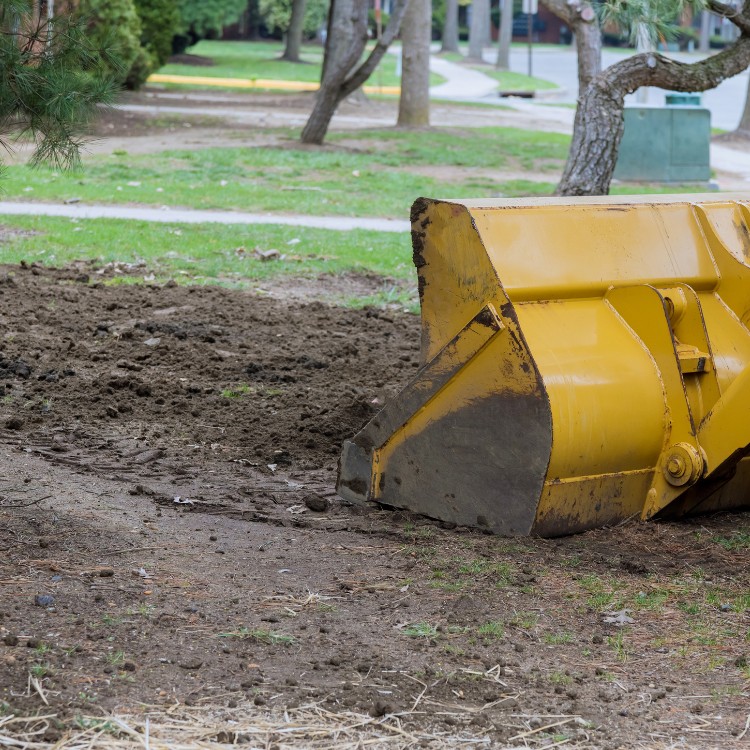
Foundation Grading to Prevent Settling Under Slabs
If you have a slab foundation, sidewalks, or a garage slab that seems to sink or tilt over time, the cause is often less about the concrete itself and more about how water and soils behave around it. This guide explains how foundation grading works, what to check around your home in McKinney, TX, and when it makes sense to pair grading with slab foundations services.
Your driveway looks fine in the dry months, but after a hard rain in McKinney, TX you notice puddles near the foundation line. A few weeks later, you see a subtle change: a slight slope where water used to run away, or cracks that seem to widen after wet weather. You are not trying to ignore it, but you also do not want to guess and pay for the wrong fix.
This article helps you understand how foundation grading can reduce the risk of settling under slabs by improving drainage, supporting stable soil conditions, and directing water away from concrete foundations. You will also get a practical checklist you can use when talking with a concrete services team like TopCore Concrete.
Quick Answer
Foundation grading is the process of reshaping the ground around a slab or foundation so surface water flows away instead of soaking the soil near the concrete. If you are seeing ponding, recurring damp spots, or sloped slabs after rainfall, improving grading is often a practical first step because water movement can contribute to foundation repair needs like concrete slab installation issues or foundation leveling. A good next move is to inspect the drainage pattern and discuss foundation grading alongside any slab foundation concerns so you do not fix symptoms while the water pathway stays the same.
What to Check First
Before you schedule work, focus on the few signs that strongly point to water and grade issues. In many cases, homeowners can spot these patterns without special tools.
1) Where water goes after rain
Walk the perimeter right after rainfall. Look for puddles, slow-draining areas, or streaks where mud splashes up onto the slab or adjacent walks.
2) Changes near the edges
Check corners of slabs, garage transitions, and joints between concrete and landscaping. Settling often shows up first at edges.
3) Soil and surface condition
If the soil is soft or washes out, grading alone can be undermined. Pay attention to areas where the surface has been patched before.
Professional observation: When we inspect concrete flatwork around foundations, the “fix” that lasts usually starts with controlling water. If the grade still funnels runoff toward the slab, the concrete can keep moving even after repairs.
Main Things Customers Should Understand
Foundation grading is not just adding or removing dirt. It is a coordinated approach to site preparation and drainage so the soil under and beside your slab behaves more consistently.
How grading affects settling under slabs
Concrete slab installation depends on stable support. When water collects near the foundation or the grade slopes the wrong direction, the soil can soften and shift. Over time, that movement can contribute to issues homeowners describe as settling, sinking, or uneven concrete around the foundation line.
What a grading project typically considers
- Surface drainage paths: directing runoff away from concrete foundations and toward appropriate lower areas.
- Slab edge conditions: focusing on the perimeter where water tends to concentrate.
- Existing concrete and transitions: keeping slopes consistent near driveways, sidewalks, and patios so water does not “catch” at a step or joint.
- Site preparation: addressing areas that have washed out or where previous repairs created low spots.
Decision table: grading vs. other concrete services
If you are trying to choose a path, this table can help you match the symptom to the likely next step.
| What you notice | What it can indicate | Likely next step |
|---|---|---|
| Ponding near foundation after rain | Surface grade directing water toward the slab | Foundation grading to improve drainage |
| Slab or flatwork looks uneven where water runs | Soil support affected by recurring moisture | Pair grading with slab-related repair planning |
| Cracks and unevenness on exterior walks | Movement plus drainage issues at transitions | Review sidewalks and site drainage together |
| Driveway slope changes over time | Water pathway shifts and undermines support | Discuss driveways and grading coordination |
| Water management needs around walls | Runoff pressure and drainage mismatch | Consider retaining walls where applicable |
Customer-focused tip: If you only re-level concrete but the ground still routes water toward the foundation, you may see the issue return. A practical approach is to address drainage first, then handle the concrete work that needs it.
Why this matters in McKinney, TX
In McKinney, TX, properties often face repeated wet-and-dry cycles that can affect how soils behave around slab foundations. When surface water repeatedly soaks the area right next to concrete, it can increase the chance of movement that shows up as uneven flatwork, slope changes, or drainage problems that feel like they “come back” every season.
That is why grading matters for more than just aesthetics. When water is directed away from the foundation and transitions are planned around driveways, patios, and sidewalks, homeowners typically get a more consistent base for long-term concrete stability.
Garage and slab edges
These areas often collect runoff during storms. Small grade changes can make a big difference in where water goes next.
Driveway and walk connections
Transitions can create low spots that trap water. Coordinating grading with gravel driveway or driveway work can improve overall drainage behavior.
Land grading services
Proper site prep helps reduce washouts and keeps the area around concrete foundations less vulnerable to movement.
Want a drainage-first plan for your slab?
If you are seeing ponding, recurring damp areas, or uneven concrete near your foundation, TopCore Concrete can help you evaluate foundation grading and related concrete needs for your McKinney, TX property.
Call TopCore ConcretePhone: (469) 885-8590
Common Mistakes to Avoid
Homeowners often get stuck because the visible concrete issue is obvious, but the cause is hidden in the grade and water pathway. Here are a few mistakes that can make settling under slabs more likely to repeat.
- Fixing concrete without changing drainage: re-leveling or patching a low area can work briefly, but water can still reach the soil and create new movement.
- Overlooking transitions: steps between patios, sidewalks, and driveways can act like small dams that hold water near the foundation line.
- Assuming the problem is “just shrinkage”: seasonal movement may be normal, but recurring post-rain patterns point to water management as a key factor.
- Ignoring areas that wash out: if soil is eroding or settling, grading needs site preparation so the new surface stays stable.
- Waiting until cracks spread: once movement becomes more pronounced, you may need more extensive foundation repair planning than you would with earlier intervention.
Customer Checklist
- Observe water flow after a rain (where it pools, where it runs, and what it splashes onto).
- Check perimeter edges of the slab foundation and corners for noticeable low spots.
- Look for repeated damp areas or soil that feels soft near concrete edges.
- Walk the connections between concrete flatwork and landscaping to find “catch points” where water can stop.
- Note any previous patches, resurfacing, or repairs that seem to have settled again.
- Take a few photos before calling so you can describe the pattern clearly.
Representative scenario: what we often see around McKinney homes
One common pattern in McKinney, TX is a home where the driveway and nearby sidewalk gradually develop a gentle slope toward the foundation line. After storms, homeowners notice water lingering near the slab edge. A closer look shows the grade around the perimeter directs runoff into a low area, and the concrete transitions create a place for water to collect. In situations like this, the most practical path is usually to review foundation grading and site preparation first, then address the concrete flatwork that has been affected by the moisture pathway.
Frequently Asked Questions
How does foundation grading help prevent settling under slabs?
Foundation grading changes how surface water moves around your slab or concrete foundation. When the ground is shaped so runoff flows away, the soil near the concrete is less likely to stay saturated. Over time, reduced moisture at the slab edges can help limit movement that homeowners experience as settling, sinking, or uneven concrete. The practical takeaway is that grading targets the cause that drives repeat issues: water and the grade that controls it.
What signs mean the grade near my slab is causing problems?
Look for patterns that repeat after rainfall: puddles near the foundation, damp soil right next to concrete, or concrete that appears more uneven following wet weather. You may also notice water staining or mud splatter along the perimeter. If a driveway, walkway, or patio slopes toward the foundation line, that is another clue. These signs suggest the water pathway is not working the way it should.
Can I fix uneven concrete without doing grading?
Sometimes a cosmetic concrete repair can improve appearance, but if the grade still routes water toward the slab, the underlying condition remains. In many real-world situations, concrete flatwork and site drainage are linked. That is why a drainage-first plan is often the most dependable approach: address the water pathway with foundation grading, then plan slab-related repair work where the concrete has been affected.
Should I combine foundation grading with other services like retaining walls or driveways?
It depends on how your property handles elevation changes and runoff. If you have areas where walls or slopes influence water flow, pairing grading with related concrete services can make the overall drainage plan more consistent. For example, where a driveway transition holds water, coordinating grading with driveway replacement or driveway repair planning can help. The key is to address the whole drainage pathway, not just one section.
What should I ask a concrete contractor before scheduling foundation grading?
Ask how they plan to evaluate water flow around the slab, what areas will be re-graded, and how they will handle transitions between concrete surfaces and landscaping. You can also ask how their approach supports long-term stability, especially if you have signs of washout or recurring low spots. Bringing photos of the problem after rain can help you and the team discuss what is happening on your McKinney, TX property.
Ready to protect your concrete with drainage-first grading?
TopCore Concrete serves McKinney, TX and surrounding areas with foundation grading and concrete services designed around site preparation and water control. If you are planning foundation repair, foundation leveling, or concrete slab installation work, start by getting the grading side of the plan right.
Schedule Foundation GradingPhone: (469) 885-8590