
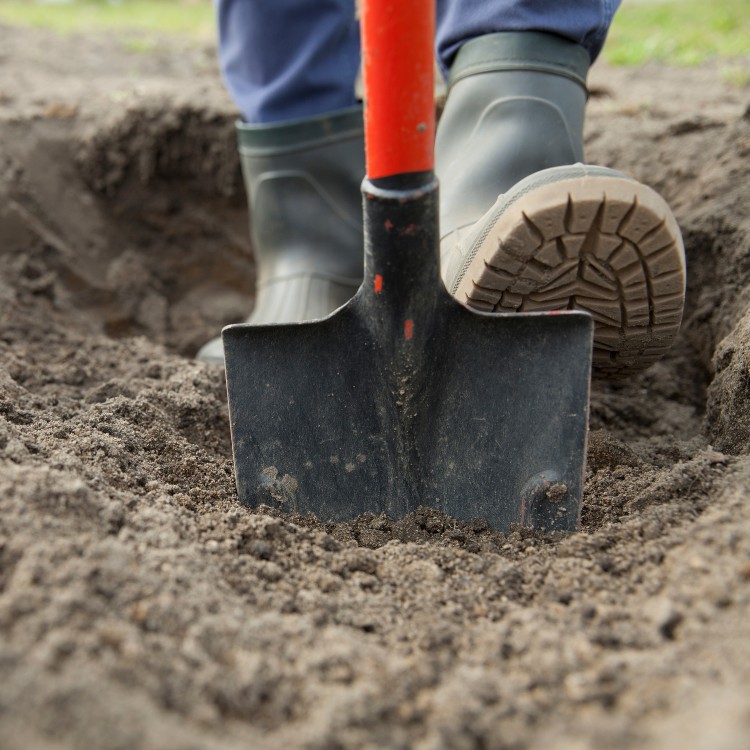
Foundation Grading for Consistent Slopes and Settling Control
North Texas soil doesn’t play fair. One season it’s bone-dry and cracking, the next it’s saturated from back-to-back storms. In McKinney and across Collin County, this constant cycle of expansion and contraction is one of the biggest reasons concrete foundations crack, patios pull away from the house, and driveways start to heave or settle.
Industry studies estimate that more than 60% of foundation issues in clay-heavy regions are related to poor drainage and grading, not just “bad concrete.” That means even a perfectly poured slab can fail if the ground around it isn’t shaped to move water where it belongs.
This is where proper foundation grading becomes the quiet workhorse of long-lasting concrete. Done right, grading creates consistent slopes, controls settling, and protects your investment for years to come.
In this guide, you’ll learn how professional grading supports everything from Slab Foundations and retaining walls to patios, driveways, and parking areas, and what McKinney property owners can do to prevent costly repairs before they start.
Key Insight: Thoughtful foundation grading is one of the most cost-effective ways to prevent cracking, shifting, and water damage across your entire property—protecting both structures and surfaces long-term.
Why Grading Matters So Much in North Texas Soil
McKinney sits on highly expansive clay soils. These soils swell when wet and shrink when dry, exerting powerful pressure on anything built above them. Without proper grading, water collects near your foundation, amplifying that expansion and contraction.
For homes and businesses with Concrete Foundations or new Concrete Slab Installation, this can mean:
- Cracks radiating from corners and openings
- Doors and windows sticking or going out of square
- Uneven floors and trip hazards
- Costly Foundation Repair or Foundation Leveling down the road
“Water is the number one enemy of a foundation. Grading is your first line of defense.” — Structural Engineer, DFW Region
A local example: a small office building off US-75 in McKinney had a beautiful new parking area and sidewalks installed—but the surrounding soil wasn’t graded properly. Within three years, water pooling near the slab caused differential settling. Doors wouldn’t close, and several sidewalk panels had to be replaced. The repair bill far exceeded what proper grading would have cost at the start.
Proper grading creates a gentle, consistent slope away from the structure—typically 2–5% for the first 5–10 feet—helping manage runoff before it becomes a structural problem.
How Foundation Grading Supports Every Concrete Surface on Your Property
Grading isn’t just about the main structure. It affects how every concrete surface behaves over time—patios, Sidewalks, Driveways, and Parking Lots all depend on subgrade stability and proper water movement.
Patios, Walkways, and Outdoor Living Areas
A well-designed outdoor space in McKinney often includes Concrete Patio Installation, Stamped Concrete Patios, and connecting Concrete Walkways. If the surrounding grade sends water back toward the slab, you’re inviting:
- Standing water and slippery surfaces
- Premature surface scaling and spalling
- Settlement that causes corners to drop or lift
We recently helped a homeowner near Craig Ranch whose stamped patio was sinking on one side. The concrete itself was fine—but the soil had been graded flat, so water collected along the edge. Regrading the yard, adding a subtle swale, and installing a new Concrete Patio Installation with proper base compaction solved the issue.
Driveways, Gravel Surfaces, and Access Areas
Grading is equally critical for Concrete Driveway Installation, Gravel Driveway projects, and Asphalt Parking Lots. A consistent slope:
- Reduces rutting and potholes
- Keeps water from undermining the base
- Extends the life of both concrete and asphalt surfaces
“Most driveway failures start below the surface—grading and base prep decide whether that concrete lasts five years or twenty.” — Senior Concrete Foreman, Collin County
By treating grading as part of the entire site design, you support everything built on top of it, not just the primary structure.
Traditional Grading vs. Modern, Data-Driven Site Preparation
Older grading practices often relied on “eyeballing” slopes or using simple string lines. While that might work on small, flat lots, it falls short on the varied topography and clay soils around McKinney.
Modern grading combines experience with technology—laser levels, GPS equipment, and soil analysis—to create precise, predictable results.
Comparison: Traditional vs. Modern Grading Approaches
| Aspect | Traditional Approach | Modern, Professional Approach |
|---|---|---|
| Slope Measurement | Visual estimate or string line | Laser/GPS-guided measurement |
| Soil Evaluation | Basic visual check | Moisture content, compaction, and soil type assessment |
| Consistency Across Site | Varies by crew | Documented slopes and benchmarks |
| Integration with Concrete Work | Often treated separately | Coordinated with Foundation Grading and flatwork design |
| Long-Term Performance | More prone to ponding and settlement | Better control of runoff, reduced settling and cracking |
| Typical Cost Impact | Lower upfront, higher repair risk | Slightly higher upfront, significantly lower lifecycle costs |
For example, a commercial project near the McKinney airport required new Parking Lots, Concrete Sidewalk Installation, and Parking Lot Striping. Using GPS-guided equipment, we set consistent slopes toward designed drainage points, preventing water from flowing toward the building entrances. The owner reported minimal ponding even after heavy storms—and no early cracking in the concrete.
Retaining Walls, Elevation Changes, and Settling Control
Not every McKinney property is flat. As soon as you introduce elevation changes—slopes, terraces, or cut-and-fill areas—grading becomes more complex, and Retaining Walls often come into play.
Retaining walls and grading work together to:
- Hold back soil where elevation drops sharply
- Create level pads for Concrete Slab Installation
- Direct water into controlled drainage paths
Without proper design, a retaining wall can fail, bow, or lean—especially in our expansive soils. But when integrated with engineered grading, they become powerful tools for settling control.
A real-world example: a McKinney hillside property needed a new outdoor living area with Stamped Concrete Patios and steps. The natural slope was too steep to safely build on. We installed tiered Retaining Walls with drainage behind them, graded each terrace for positive slope, and poured Concrete Flatwork on the newly created pads. Years later, the walls remain straight, and the patios show no signs of settlement.
“Retaining walls fail less from bad blocks and more from bad drainage and grading design.” — Geotechnical Consultant, North Texas
When considering retaining walls, it’s critical to:
- Plan for drainage behind the wall (weeping drains, gravel backfill)
- Grade the surface above and below to move water away
- Coordinate wall design with overall site Land Grading Services
This holistic approach keeps both walls and nearby slabs from moving unpredictably.
Integrating Grading with Driveways, Parking Lots, and Access Areas
For businesses and commercial properties in McKinney, access and traffic flow are just as important as the main building. Driveways, Parking Lots, and loading areas all depend on thoughtful grading to stay safe and functional.
Concrete vs. Asphalt Surfaces and Grading Needs
Both concrete and asphalt benefit from good grading, but they respond differently to water and soil movement.
| Surface Type | Grading Sensitivity | Common Issues Without Proper Grading | Typical Use in McKinney |
|---|---|---|---|
| Concrete Driveway Installation | High | Cracking, heaving, edge breakdown | Residential drives, small commercial |
| Asphalt Parking Lots | Very High | Rutting, potholes, base failure | Larger lots, drive lanes, some commercial drives |
| Gravel Driveway | Moderate–High | Ruts, washouts, mud, migration of gravel | Rural access, temporary or budget-conscious options |
On a recent project for a small business near Historic Downtown McKinney, we were asked to repair a failing asphalt lot. The owner initially wanted just patching and Parking Lot Paving, but the real issue was that the lot was flat, with no defined drainage path. We regraded the base, added a slight crown to the center, and created swales along the edges. After repaving and fresh Parking Lot Striping, the lot now sheds water efficiently and has held up well despite heavy traffic.
Grading also plays a role in:
- Concrete Curb Installation to guide runoff
- Concrete Steps Installation with proper riser heights and drainage
- ADA-compliant slopes for walkways and accessible routes
Handled correctly, these elements work together to protect both vehicles and pedestrians from water-related damage and hazards.
Grading, Surface Protection, and Long-Term Maintenance
Even the best grading plan needs to be paired with sensible maintenance and surface protection. Over time, landscape changes, settling, and weather events can alter slopes and drainage patterns.
Protecting Concrete with Sealing and Resurfacing
Proper grading reduces how long water sits on your concrete, but you can go further by investing in:
- Concrete Sealing to resist moisture penetration and staining
- Concrete Resurfacing for worn but structurally sound slabs
- Timely Concrete Repair to address cracks before they widen
We worked with a McKinney retail center that had well-graded sidewalks and entries, but the concrete had never been sealed. After years of exposure, surface scaling and minor cracking started to appear. By cleaning, performing targeted Concrete Repair, and applying a high-quality sealer, we extended the life of the existing flatwork without full replacement.
“Grading buys you time by moving water away. Sealing buys you time by keeping water out.” — Concrete Materials Specialist, Texas
Watching for Changes Over Time
Owners and facility managers should periodically:
- Check that soil hasn’t built up against siding or slab edges
- Confirm gutters and downspouts are discharging away from the foundation
- Look for new low spots or erosion channels after heavy storms
If you’ve added landscaping, irrigation, or new hardscapes, it’s smart to reassess grading. Even small changes—like adding a garden bed—can redirect water toward your Concrete Foundations or patios if not planned carefully.
From Raw Lot to Finished Surface: A Step-by-Step Look at Professional Grading
For many McKinney property owners, grading feels abstract until they see how it fits into the full construction process. In reality, it’s a structured, methodical part of professional Site Preparation.
Typical Grading and Prep Sequence
1. Site Evaluation
- Assess existing slopes, soil type, and drainage patterns
- Identify structures: future Slab Foundations, Driveway Replacement, Patio Installation, etc.
2. Rough Grading
- Move soil to create general elevations and flow paths
- Establish basic pad areas for structures and parking
3. Fine Grading and Compaction
- Use laser-guided equipment to set precise slopes
- Compact subgrade to reduce future settling
4. Base Installation (for hard surfaces)
- Add and compact base materials for Driveways, Parking Lots, and walks
- Verify elevations again before forming concrete
5. Concrete or Asphalt Installation
- Pour or pave according to design specs
- Integrate joints, edges, and transitions with graded areas
6. Final Grading and Cleanup
- Blend surrounding soil with finished surfaces
- Ensure water flows away from structures and hardscapes
On a recent new build in McKinney’s fast-growing north side, this process allowed us to coordinate Concrete Slab Installation, Concrete Driveway Installation, Concrete Sidewalk Installation, and a Concrete Patio Installation as one integrated system. The result: consistent slopes, no ponding, and a site that functions well even after major rain events.
What This Means for Businesses in McKinney, TX
For McKinney businesses, foundation grading isn’t just a technical detail—it directly affects daily operations, safety, and long-term costs.
Local codes and commercial expectations demand:
- Safe, dry entrances for customers and employees
- Accessible routes that meet ADA slope requirements
- Parking areas and Parking Lot Paving that hold up under traffic and weather
Ignoring grading can lead to:
- Trip hazards from settled slabs or heaved panels
- Water intrusion into storefronts or warehouse spaces
- Frequent Driveway Repair or Driveway Replacement
- Premature failure of Asphalt Parking Lots and concrete flatwork
In a competitive local market—whether you’re near Adriatica Village, along Eldorado Parkway, or in one of McKinney’s industrial corridors—curb appeal and reliability matter. Customers remember walking through puddles or dodging cracked sidewalks.
By investing in proper Foundation Grading and coordinated site preparation, you’re:
- Reducing the risk of costly structural issues
- Protecting your brand image with clean, functional surfaces
- Supporting future growth, expansions, or added outdoor spaces
McKinney’s rapid development also means many properties are built on previously undeveloped land with complex soil and drainage patterns. Partnering with a local concrete and grading expert who understands these conditions can make the difference between a site that performs for decades and one that needs constant Band-Aid fixes.
Frequently Asked Questions
Q: How much slope do I actually need around my building in McKinney?
A: For most structures in our climate and soil conditions, we aim for a minimum of 2% slope (about 1/4 inch per foot) away from the foundation for at least 5–10 feet. This helps move water away quickly, reducing pressure on Concrete Foundations and minimizing soil expansion. In some commercial applications or areas with higher runoff, we may design steeper slopes or integrate swales and drains. The exact numbers depend on your lot size, surrounding properties, and features like Driveways, Sidewalks, and landscaping. A site visit allows us to measure existing grades and recommend the right slope for your situation.
Q: My house is already built—can grading still help with foundation issues?
A: Yes, adjusting grading after construction can significantly improve drainage and reduce ongoing stress on your slab. While it won’t “fix” existing structural damage, it often prevents problems from getting worse and supports any Foundation Repair or Foundation Leveling you’ve already done. We frequently regrade yards, adjust soil heights, and reshape areas around Patio Installation, Concrete Driveway Installation, and walkways to correct negative slopes. In some cases, we also recommend adding Retaining Walls or drainage features to manage elevation changes and water flow more effectively.
Q: How does grading affect the cost and lifespan of my driveway or parking lot?
A: Proper grading and base preparation often add a modest amount to your upfront cost, but they dramatically improve performance and reduce long-term expenses. For example, a well-graded Concrete Driveway Installation with a compacted base can easily double the service life compared to a poorly prepared one. Similarly, Asphalt Parking Lots built on correctly graded, well-drained subgrade are far less prone to potholes and rutting. When we price Parking Lots, Gravel Driveways, or Driveway Replacement, we include grading as part of the system—not an optional extra—because it directly impacts lifespan.
Q: I’m planning a new patio and outdoor kitchen. When should grading be done?
A: Grading should be addressed at the very beginning of your project, before any Concrete Patio Installation or landscaping work starts. We first evaluate how water currently moves across your yard, then shape the area to ensure positive slope away from the house and toward safe discharge points. Only after subgrade and base are shaped and compacted do we pour the patio or build features like Stamped Concrete Patios or steps. In many McKinney backyards, we also coordinate grading with Retaining Walls or drainage improvements to handle elevation changes and heavy stormwater.
Q: Will grading damage my existing landscaping or irrigation?
A: Thoughtful grading aims to preserve as much of your existing landscape as possible, but some disruption is often necessary to correct drainage issues. Before we begin, we walk the site with you to identify key plants, trees, and irrigation lines. We then plan Foundation Grading and Land Grading Services around those priorities, adjusting slopes and transitions to minimize impact. After grading, we can help coordinate restoration—replacing sod, adjusting sprinkler heads, and blending new soil with existing areas. The tradeoff is that short-term disturbance often prevents long-term damage to your Concrete Foundations, patios, and walkways.
Q: How do I know if I need a retaining wall instead of just grading?
A: The decision usually comes down to how much elevation change you’re dealing with and what you want to build on that area. If you’re trying to create a level pad for Concrete Slab Installation, Patio Installation, or a parking area on a steep slope, grading alone can lead to unstable embankments and erosion. In those cases, Retaining Walls provide structural support while grading shapes the surrounding ground. During an on-site assessment in McKinney, we measure slopes, check soil conditions, and discuss your goals to determine whether grading alone is sufficient or whether a combination of walls and grading will deliver safer, longer-lasting results.
Q: Can you fix low spots and ponding on existing sidewalks and walkways without replacing everything?
A: Often, yes. If the concrete is structurally sound, we may be able to correct minor ponding by adjusting adjacent grades, adding drains, or selectively lifting settled panels. In other cases, targeted Concrete Sidewalk Installation or Concrete Repair is the better option. We evaluate whether the problem is primarily grading-related or due to slab failure. For McKinney properties, where tree roots and expansive soils are common, we sometimes combine grading adjustments with root barriers, updated Concrete Walkways, and sealing to reduce future movement and water damage.
Ready to Get Started?
McKinney’s growth isn’t slowing down, and neither is the wear and tear on local properties. Each rainy season and dry spell works on your soil and structures. Addressing grading issues now can prevent small drainage problems from turning into major foundation or pavement failures later.
If you’re planning new Slab Foundations, Driveways, Parking Lots, or outdoor spaces—or you’re already seeing cracking, ponding, or settling—this is the ideal time to bring in a grading and concrete specialist.
TopCore Concrete can:
- Evaluate your current slopes and drainage patterns
- Recommend practical grading and Foundation Grading solutions
- Coordinate complete Site Preparation with new concrete installations
Reach out for a site assessment, and we’ll walk your property with you, explain what we see in plain language, and provide clear, no-pressure options to protect your investment.
About TopCore Concrete
TopCore Concrete is a locally focused concrete and grading contractor serving McKinney, TX and the surrounding communities. Our team brings years of experience in Concrete Foundations, Foundation Grading, Concrete Driveway Installation, Concrete Sidewalk Installation, and commercial Parking Lots. We understand North Texas soils, weather, and building standards, and we design every project to perform in real-world conditions—not just on paper. Learn more about our services and local experience at https://topcoreconcrete.com/.