
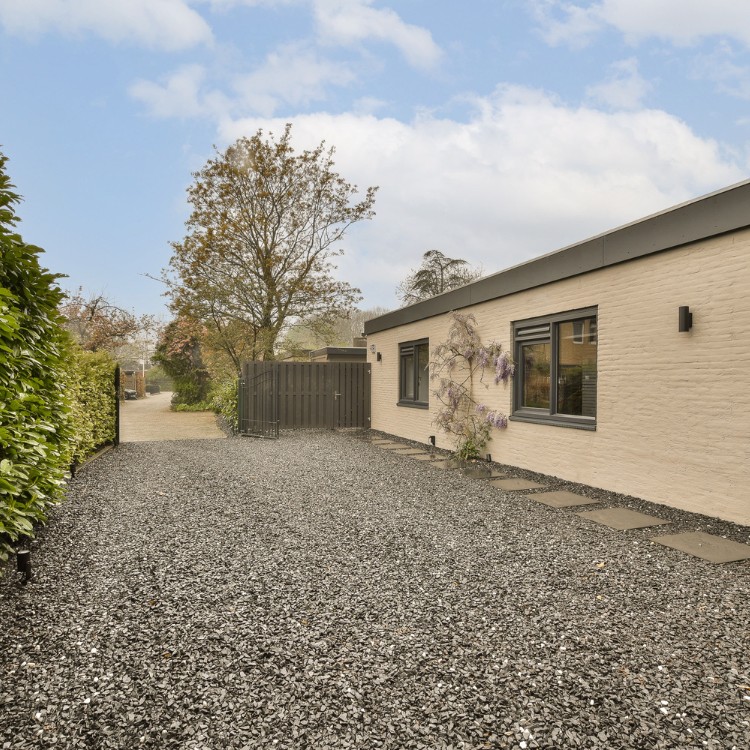
Gravel Driveway Solutions: Durable Stone, Clean Lines
On a hot North Texas afternoon, you can spot the difference between a well-built gravel driveway and a cheap one from half a block away. One has clean edges, drains after a storm, and stays firm under delivery trucks. The other ruts, washes out, and tracks rocks everywhere. In fast-growing areas like McKinney, TX—where new homes, shops, and light commercial spaces seem to go up every month—that difference translates directly into property value, curb appeal, and maintenance costs.
Studies on unpaved surfaces show that poor base prep can increase annual maintenance costs by 50–100%. Meanwhile, a properly designed gravel drive can last 10–20 years with minimal repairs, especially when paired with smart drainage and edging.
This guide walks you through what makes a gravel driveway durable and attractive: from base design and stone selection to grading, drainage, and integration with surrounding concrete. You’ll see real examples from North Texas properties, learn how gravel compares to asphalt and concrete, and understand when it’s smart to combine gravel with Concrete Driveway Installation, Parking Lots, or Concrete Sidewalk Installation for a complete site solution.
Key Insight: A long-lasting gravel driveway is not “just rock.” It’s a system: base, drainage, edging, and surface stone all working together to handle Texas weather and daily traffic.
Why Gravel Driveways Make Sense in McKinney, TX
Gravel driveways fit North Texas perfectly: they handle heavy rain, are budget-friendly on larger properties, and can be refreshed without major demolition. But that only holds true if they’re designed for our clay-heavy soils and intense storm events.
Local soil and weather realities
McKinney sits on expansive clay soils that shrink in drought and swell after rain. That movement is rough on rigid pavements, but gravel can flex and drain—if it’s supported by proper Foundation Grading and base prep.
“Most gravel failures in North Texas aren’t about the rock; they’re about water.” — Local Sitework Foreman
A typical issue: a rural-style driveway laid directly on topsoil. The first big storm hits, water channels down the tire tracks, and the rock washes into the ditch. Within months, you’re driving on mud again.
A real McKinney example
A homeowner north of US-380 had a 250-foot gravel driveway installed by a handyman. No compaction, no crown, no drainage planning. After one year:
- Deep ruts at the entrance
- Standing water near the garage
- Rock migration into the yard and street
TopCore Concrete rebuilt the drive by:
- Stripping organic topsoil and proof-rolling
- Installing a compacted base and gentle crown
- Adding flanking ditches to direct runoff
Two years later, the driveway still sheds water cleanly and needs only minor touch-up each spring.
Building a Durable Gravel Driveway: From Subgrade to Surface
The difference between a driveway that fails in two years and one that lasts decades is hidden under the surface. Proper site preparation, base construction, and compaction are non-negotiable.
Step 1: Site preparation and grading
Quality gravel systems start with solid Land Grading Services:
- Strip organic material (grass, roots, topsoil)
- Shape the subgrade with a gentle crown or cross-slope
- Compact with a roller or plate compactor
Skipping compaction is one of the biggest mistakes. Industry standards often call for 95% compaction of the base layer for long-term performance.
“Compaction is where you buy your future savings. Every pass of the roller is a year you don’t spend money on repairs.” — Senior Project Superintendent
Step 2: Base layer
On most McKinney-area driveways, a 4–8″ compacted base of crushed limestone or similar material is used. This base:
- Distributes vehicle loads
- Provides drainage pathways
- Resists rutting in wet conditions
For heavier use—like small Parking Lots or equipment yards—a thicker base may be designed, similar to the structure used under Concrete Foundations.
Step 3: Surface stone selection
The top layer is where aesthetics meet performance:
- Smaller, angular stone locks together and resists shifting
- Larger stone can provide more drainage but may be less comfortable to walk on
- Blends can balance stability, traction, and appearance
A small commercial property off Virginia Parkway opted for a graded crushed stone surface to complement their modern building. The result: a clean, minimal look that still handles delivery trucks and customer parking without looking “rural” or unfinished.
Clean Lines and Curb Appeal: Edging, Transitions, and Site Design
Gravel can look sharp and intentional, not temporary—if the edges and transitions are done right. Clean lines are as much about concrete and layout as they are about stone.
Defining edges with concrete
Uncontained gravel tends to spread. Concrete edging, aprons, and walks keep things clean:
- Concrete bands or curbs along the driveway
- A short Concrete Driveway Installation apron at the street
- Integrated Concrete Walkways from parking to entry
On a recent McKinney project near Stonebridge Ranch, TopCore Concrete installed a gravel driveway with a concrete entrance apron and crisp concrete curbs along both sides. The owner wanted a “ranch feel” without looking unfinished. The concrete edges:
- Prevented gravel from spilling into the landscaped beds
- Provided a solid surface where vehicles transition from street to gravel
- Gave a visually clean frame that elevated the property’s look
“Gravel doesn’t have to look temporary. Paired with concrete edges, it can feel like part of a complete design.” — Project Designer
Integrating patios and outdoor spaces
For residential and light commercial sites, the driveway often connects to outdoor amenities. Combining gravel with Concrete Patio Installation or Stamped Concrete Patios can create a cohesive look:
- Gravel parking with a defined concrete path to a backyard patio
- A central concrete plaza surrounded by gravel for overflow parking
- Decorative borders where gravel meets stamped concrete surfaces
Gravel vs. Asphalt vs. Concrete: Cost, Maintenance, and Use Cases
Choosing a driveway or parking surface in McKinney often comes down to budget, traffic type, and long-term plans. Gravel, asphalt, and concrete each have a place.
Cost and performance comparison
Below is a simplified comparison for typical residential or light commercial use in the McKinney area (actual prices vary by site condition and material thickness):
| Feature / Surface | Gravel Driveway | Asphalt Driveways | Concrete Driveway Installation |
|---|---|---|---|
| Initial Cost (approx.) | Lowest | Medium | Highest |
| Lifespan (with care) | 10–20 years | 15–25 years | 25–40+ years |
| Maintenance Frequency | Periodic top-ups, grading | Sealcoating, crack repair | Joint sealing, occasional Concrete Repair |
| Appearance | Natural, flexible style | Uniform black surface | Clean, modern, customizable (stamped/colored) |
| Heavy Vehicle Resistance | Good with proper base | Good | Excellent |
| Drainage | Excellent when graded correctly | Good with designed slopes | Requires careful drainage design |
| Upgrade Flexibility | Easy to convert to asphalt/concrete | More complex conversion | Most permanent |
Where gravel shines
Gravel is often the best choice for:
- Long rural or estate drives where paving the entire length in concrete is cost-prohibitive
- Secondary access drives, equipment paths, or overflow Parking Lots
- Properties that may later upgrade a portion to concrete once use patterns are clear
One McKinney business off Highway 5 started with an all-gravel lot. After a year, they saw where customers parked most often and where delivery trucks turned. TopCore Concrete later installed concrete pads in those critical areas while leaving the rest gravel, reducing their total project cost.
“Start gravel, then pave selectively where the wear shows up. It’s a smart way to phase improvements.” — Commercial Property Manager
Gravel Driveways as Part of a Complete Site Plan
A driveway doesn’t exist in a vacuum. It interacts with buildings, foundations, patios, and landscaping. Thoughtful planning prevents water and traffic problems down the road.
Protecting foundations and structures
Poorly graded gravel can direct water toward buildings, stressing Concrete Slab Installation and increasing the risk of Foundation Repair or Foundation Leveling later.
Key design points:
- Driveway slope should move water away from structures
- Swales or ditches can intercept runoff before it reaches foundations
- Low spots near garages and entries should be eliminated during grading
On a property near Historic Downtown McKinney, a gravel drive sloped directly toward the house, causing water to pond near the slab. TopCore Concrete regraded the drive, installed a shallow swale, and added a short concrete entry pad. The homeowner saw immediate improvement in drainage and reduced moisture near the foundation.
Using retaining walls and elevation changes
McKinney’s rolling terrain sometimes calls for Retaining Walls to support a driveway or parking area. Well-designed walls can:
- Create level parking on sloped sites
- Protect neighboring properties from runoff
- Provide visual structure to the driveway approach
Combined with proper Site Preparation, retaining walls and gravel surfaces can transform a difficult lot into a highly usable space.
Maintenance, Repair, and Upgrades: Keeping Gravel Looking Sharp
A well-built gravel driveway in McKinney doesn’t require constant attention, but it does benefit from a simple maintenance routine and occasional upgrades over time.
Routine maintenance
Plan for:
- Annual or biannual grading to smooth ruts and re-establish crown
- Spot rock additions in high-wear areas (entrances, tight turns)
- Clearing drainage ditches or swales of silt and vegetation
“Think of gravel maintenance like servicing a work truck—small regular checks prevent expensive breakdowns.” — Maintenance Crew Lead
For driveways that tie into concrete or asphalt, maintaining clean joints reduces edge damage and keeps transitions smooth.
Repair and reinforcement
If a driveway has been neglected or was poorly built, repair steps may include:
- Scarifying and re-grading the existing surface
- Adding and compacting fresh base in soft areas
- Installing geotextile fabric in problematic spots to stabilize soils
Where gravel meets concrete, TopCore Concrete can perform Driveway Repair, Concrete Resurfacing, or Concrete Sealing to extend the life of hard surfaces and improve the overall look.
Planning future upgrades
Many owners phase their improvements:
- Phase 1: Graded gravel driveway and basic parking
- Phase 2: Concrete entry apron and key walkways
- Phase 3: Additional concrete for high-traffic zones or a new Concrete Patio Installation
TopCore Concrete often designs gravel projects with future paving in mind. Proper base and grading from day one make later upgrades faster and more economical.
Results You Can See: Real Outcomes from North Texas Gravel Projects
Durable stone and clean lines aren’t just concepts—they’re visible in finished projects across McKinney and surrounding communities.
Residential ranch entry, north of McKinney
A small acreage owner wanted a welcoming entry without the cost of paving 600 feet of drive. TopCore Concrete:
- Performed full Site Preparation and grading
- Installed a compacted gravel driveway with a concrete apron at the county road
- Added concrete steps and a short walk to the front porch
Results:
- Stable access for guests, delivery trucks, and trailers
- Clean transition at the road that doesn’t track rock into the street
- A look that fits the rural setting while still feeling finished
Light commercial yard, east of US-75
A contractor needed a yard for equipment and materials storage. Asphalt or full concrete was beyond the budget for the entire site. TopCore Concrete created a hybrid solution:
- Heavily compacted gravel parking and drive aisles
- Concrete pads at loading zones and high-turn areas
- Future-ready base in key spots for later Parking Lot Paving
“TopCore treated our gravel yard like a real engineered surface, not a temporary fix. Two years in, we still don’t have the mud and ruts we used to fight.” — Local Contractor, McKinney
These kinds of results come from treating gravel driveways with the same seriousness as concrete flatwork—careful grading, base design, drainage, and integration with the rest of the site.
What This Means for Businesses in McKinney, TX
For McKinney property owners, developers, and small business operators, gravel driveways and parking areas offer a flexible, cost-effective way to keep projects moving without sacrificing long-term performance.
Rapid growth in Collin County has pushed land and construction costs higher. Gravel allows you to:
- Open a site faster while still relying on professional Site Preparation
- Allocate budget to critical Concrete Foundations and building work first
- Upgrade selectively to concrete or asphalt later, once traffic patterns and needs are clear
For example:
- A new service business can start with gravel parking and a concrete accessible route, then add more Parking Lot Striping and paving as they grow.
- A developer can build gravel access drives during construction that later convert to permanent concrete or asphalt without redoing all the grading.
McKinney’s mix of older neighborhoods, new subdivisions, and rural fringes means one-size-fits-all paving strategies rarely work. A thoughtful gravel solution—designed by a contractor who also understands Concrete Flatwork, Driveway Replacement, and Asphalt Parking Lots—gives you options.
Ultimately, durable stone and clean lines send a message: your property is well cared for, thoughtfully planned, and ready for business.
Frequently Asked Questions
Q: How thick should the gravel be for a driveway in McKinney’s soil conditions?
A: For most residential gravel driveways in McKinney, a total section of 6–10 inches is typical: 4–8 inches of compacted base material and 2–3 inches of surface stone. On expansive clays or areas expecting heavier loads—like work trucks or trailers—your contractor may recommend a thicker base similar to what’s used under Concrete Foundations. The key is not just thickness, but compaction and proper Foundation Grading so water drains off instead of soaking and softening the subgrade.
Q: Will a gravel driveway hurt my home’s value compared to concrete?
A: It depends on your neighborhood and execution. In rural or estate areas around McKinney, a well-built gravel driveway with clean edges and good drainage can absolutely support property value. In more urban subdivisions, buyers may expect Concrete Driveway Installation. The biggest risk is a poorly installed gravel drive that looks temporary and causes mud or tracking issues. Working with a contractor experienced in both gravel and concrete ensures your driveway fits the property and can be upgraded later if needed.
Q: How do I keep my gravel driveway from washing out during Texas storms?
A: Washouts are almost always a grading and drainage issue. Your driveway should be shaped with a gentle crown or cross-slope so water sheds quickly. Side ditches, swales, or drains may be needed where runoff concentrates. In some cases, stabilizing fabrics or larger base rock under the surface layer help in soft spots. Contractors who handle Land Grading Services and Retaining Walls can design a complete system that moves water safely away from your drive and structures.
Q: Can I combine gravel parking with concrete walkways and patios?
A: Yes, and this is often the best blend of function and cost. Many McKinney homeowners and businesses choose gravel for drive lanes and parking, then add Concrete Sidewalk Installation from parking areas to entrances, along with Stamped Concrete Patios or standard patios for outdoor spaces. This keeps your main walking paths clean and accessible while retaining the budget and drainage benefits of gravel where vehicles travel.
Q: How does a gravel driveway interact with my foundation and slab?
A: The driveway should never direct water toward your slab or crawlspace. Proper Site Preparation ensures the driveway slopes away from the house, with swales or drains carrying water off. If your gravel drive sits higher than your slab, retaining walls or additional grading may be required. A contractor familiar with Concrete Slab Installation, Foundation Repair, and gravel systems can design the driveway to protect your home rather than stress it.
Q: What’s the difference between a DIY gravel driveway and a professional installation?
A: DIY approaches often skip key steps: stripping topsoil, compacting subgrade, building a true base, and designing drainage. The result might look fine on day one but quickly develops ruts, mud, and washouts. Professional installation uses proper equipment for compaction, follows best practices similar to Concrete Flatwork, and considers how your driveway ties into streets, structures, and yards. Over a 10–15 year period, the professional build usually costs less overall due to reduced repairs and rework.
Q: How do I know if I should choose gravel, asphalt, or concrete for my property?
A: Start with your budget, traffic type, and long-term plans. Gravel works well for longer drives, rural settings, or phased development. Asphalt Driveways and Asphalt Parking Lots can be a good middle-ground for larger paved areas. Driveway Replacement in concrete offers the most durability and lowest long-term maintenance, especially when paired with Concrete Sealing. A contractor who installs all three can walk you through pros and cons specific to your McKinney site, including soil, drainage, and neighborhood expectations.
Ready to Get Started?
North Texas growth isn’t slowing down, and neither is the wear on your driveways and parking areas. Whether you’re breaking ground on a new property or tired of fighting mud, ruts, and washouts, now is the right time to design a gravel solution that will last.
TopCore Concrete can evaluate your McKinney site, recommend the right combination of grading, gravel, and concrete, and build a driveway or parking layout that fits your budget and future plans. Because we also handle Parking Lot Paving, Concrete Curb Installation, and Concrete Steps Installation, you get a single team looking at the whole property—not just the rock.
Schedule a site visit, walk the property with an expert, and get a clear plan for durable stone and clean lines that work for years to come.
About TopCore Concrete
TopCore Concrete is a locally focused concrete and sitework contractor serving McKinney, TX and surrounding North Texas communities. The team brings years of experience in Slab Foundations, Driveways, Parking Lots, Sidewalks, and Gravel Driveway construction, with a focus on proper site preparation, drainage, and long-term performance. From residential homes to commercial sites, TopCore designs and builds surfaces that stand up to North Texas weather and growth. Learn more at https://topcoreconcrete.com/.