
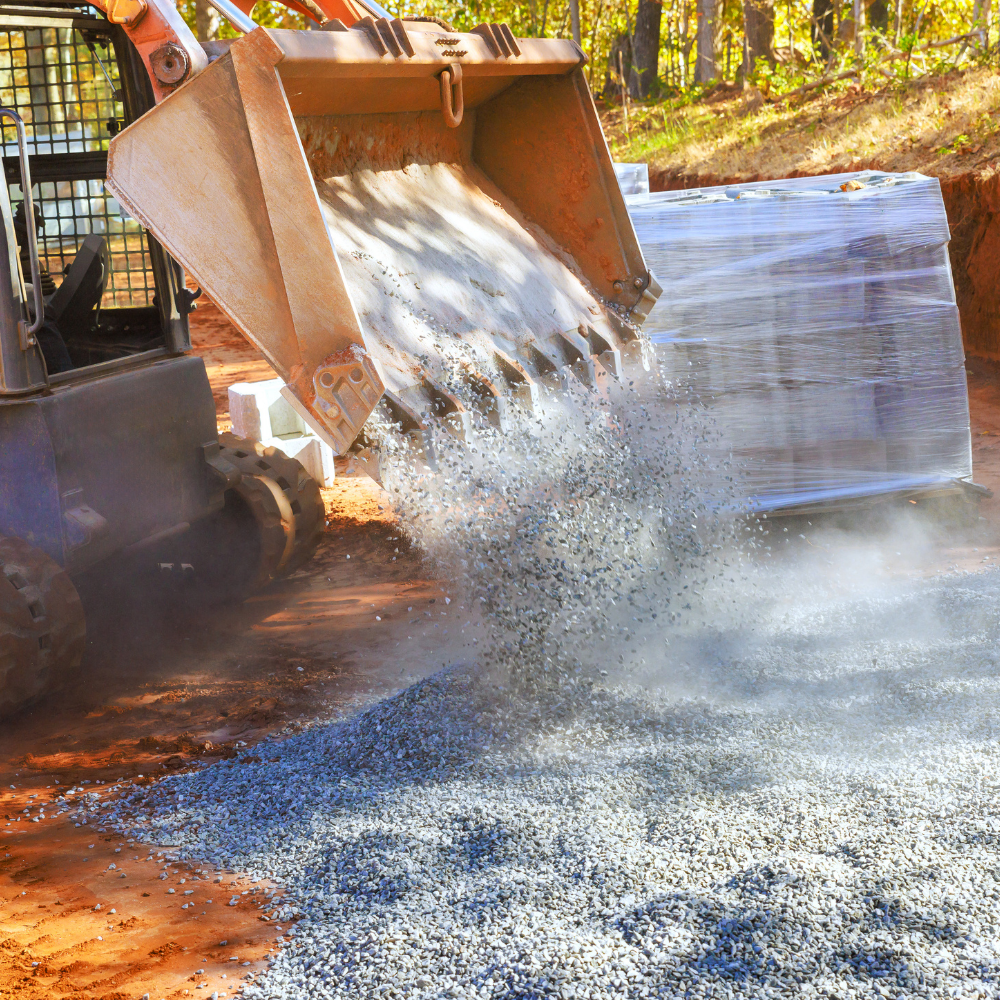
Gravel Driveway Craft: Texture, Drainage, and Smooth Entry
On a heavy rain day in McKinney, drive the backroads between new developments and older acreage homes and you’ll see the difference planning makes. One gravel driveway is rutted, washed out, and muddy at the entry. The one next door? Firm under the tires, clean edges, and water flowing neatly into the ditch instead of across the road.
That contrast isn’t luck. It’s the result of careful grading, the right stone mix, and a contractor who understands North Texas soils and storm patterns.
For homeowners, ranch owners, and small businesses around McKinney, a well‑built gravel driveway isn’t just about looks. It’s about access during storms, protecting your foundation and landscape, and getting the most value from your property. With Collin County averaging around 40 inches of rain a year and more intense downpours than in the past, drainage and surface stability are more critical than ever.
This guide walks through how to craft a gravel driveway that looks good, drains correctly, and delivers a smooth entry—plus how it connects with slab support, grading, walkways, and parking areas across your property.
Key Insight: A durable gravel driveway is less about the rock itself and more about the base, grading, and water management that sit beneath and around it.
Designing the Driveway: Alignment, Width, and First Impressions
Before a single load of rock is delivered, the layout sets the tone for both performance and curb appeal. In McKinney, where properties range from tight suburban lots to wide rural tracts, design decisions have outsized impact.
A good layout considers:
- How delivery trucks, trailers, and emergency vehicles will turn and park
- Sightlines to the road and neighbors
- Drainage patterns and low spots on your land
- Future improvements like Driveways, walkways, and patios
On a recent project just north of downtown McKinney, a homeowner wanted a winding gravel driveway that felt “country” but also worked for frequent deliveries. The driveway was initially staked too narrow at the curves. We widened those sections to 14–16 feet, allowing box trucks to swing through without dropping off the edge and rutting the shoulders.
“Form should always follow function on a driveway. Beauty comes from a layout that actually works day after day.” — Senior Project Lead, TopCore Concrete
Key design considerations we walk clients through:
- Width:
- Standard residential: 10–12 ft
- With trailers or frequent visitors: 12–14 ft
- Shared or commercial: 16–20 ft or dedicated lanes
- Entry experience:
The first 10–20 feet off the street take the most abuse. Hardening this section with a concrete apron or full Concrete Driveway Installation can give you a clean transition from pavement to gravel and reduce rock migration into the road.
- Future connections:
Aligning your gravel drive with planned Sidewalks, patios, or parking areas saves money later and avoids awkward tie‑ins.
Underfoot Strength: Subgrade, Base, and Grading That Lasts
What you don’t see under a gravel driveway is what keeps it from turning into a muddy mess. North Texas black clay expands and contracts heavily with moisture changes, so subgrade prep around McKinney requires more than a quick scrape.
Proper driveway construction typically includes:
- Stripping organic material (topsoil, roots, vegetation)
- Compacting the native subgrade
- Adding and compacting a base layer
- Topping with a selected gravel mix
One acreage client east of McKinney called us after their DIY driveway failed twice in a single year. They had simply poured rock on top of soft soil. After two heavy storms, truck ruts formed, water ponded, and rock disappeared into the mud. We reworked the drive: cut down to firm subgrade, installed a 4–6″ crushed limestone base, compacted in lifts, and then added the surface gravel. Two storm seasons later, it still drains cleanly and supports heavy equipment.
Foundation‑level thinking matters here. The same principles we use on Slab Foundations apply to gravel drives: stable subgrade, uniform compaction, and thoughtful Foundation Grading to control how water moves.
CALLOUT: A gravel driveway is only as strong as the soil and base beneath it. Skipping base material may cut costs up front but almost always leads to rutting, washouts, and higher long‑term repair bills.
Water Wins If You Don’t Plan: Drainage, Crowns, and Retaining Solutions
Water is the number one enemy of any driveway surface—gravel, asphalt, or concrete. In McKinney’s storm‑heavy climate, drainage design is just as important as the rock you choose.
We look at three main elements:
- Crown or cross‑slope:
A slight center crown or 2–3% cross‑slope encourages water to shed off the surface instead of running straight down the drive.
- Side ditches and swales:
Shallow ditches alongside the driveway carry water to a safe discharge point, away from the house and Concrete Foundations.
- Grade transitions:
Smooth transitions at the road and at the parking or garage area prevent water from pooling in low spots.
On a commercial property near US‑75, a long gravel entry sloped directly toward the building. Heavy rains sent water under the structure, contributing to foundation movement and the need for Foundation Repair. We regraded the drive, added a shallow swale, and installed a short section of concrete with integrated drains that redirected runoff to the rear of the lot.
“Water will always find the lowest point. Your job is to decide where that point should be—never at your foundation or front door.” — Project Engineer, TopCore Concrete
Where driveways cut into slopes, Retaining Walls often become part of the solution. Properly engineered walls help:
- Stabilize embankments beside the driveway
- Protect against erosion that can undercut the drive
- Create level parking or turnaround areas on a sloped site
We frequently combine wall systems with Land Grading Services to manage large elevation changes safely and cleanly.
Choosing the Right Gravel: Texture, Traction, and Maintenance
Not all gravel is created equal. The size, shape, and mix of your stone determine how the driveway feels underfoot, how it behaves under tires, and how often you’ll need to refresh it.
Common options we discuss with McKinney property owners include:
- Crushed limestone (flex base):
Angular stone that locks together tightly—excellent for base layers and high‑traffic areas.
- Decomposed granite:
Attractive, fine‑textured surface with good compaction; often used near outdoor living spaces and Patio Installation to create a cohesive look.
- Pea gravel:
Rounded, decorative, but tends to migrate; better for accent areas than primary drive surfaces.
On a horse property west of McKinney, the owner wanted a softer look leading to a barn and future Stamped Concrete Patios. We used a compacted crushed limestone base for strength, then topped the visible approach area with a thin layer of decorative gravel. The result delivered both structure and style, with the base material doing the heavy lifting.
Here’s a quick comparison for typical driveway use:
| Material Type | Pros | Cons | Best Use Around McKinney |
|---|---|---|---|
| Crushed Limestone Base | Very stable, compacts well, cost‑effective | More utilitarian look | Main drive, heavy traffic areas |
| Decomposed Granite | Attractive, smooth, good compaction | Can track indoors if not contained | Near house, patios, walkways |
| Pea Gravel | Decorative, comfortable to walk on | Shifts easily, ruts under vehicles | Accent zones, low‑traffic areas |
Texture matters too. Finer mixes give a smoother surface but may track more. Coarser mixes stay put better but can feel rough. We often blend sizes to balance traction, comfort, and maintenance.
Integrating Gravel Drives with Parking Lots, Walkways, and Outdoor Living
A well‑crafted gravel driveway doesn’t exist in isolation. It should work seamlessly with your parking, walkways, and outdoor spaces so your property feels cohesive and easy to navigate.
In McKinney, we frequently see this on small business properties or larger homes with detached shops or barns. A typical setup might include:
- Gravel drive from the road
- Small concrete pad or Parking Lots area near the building
- Concrete or gravel Concrete Walkways connecting parking to doors
- Patio or outdoor living space at the rear of the property
On a local landscaping company’s yard, we replaced a rutted entry with a compacted gravel drive feeding into an Asphalt Parking Lots area for employee vehicles. We installed Concrete Sidewalk Installation from parking to the office and added Concrete Patio Installation behind the building for staff breaks. The gravel entry handles heavy trailers, while hard surfaces handle foot traffic and customer access.
“Think of your property like a circulation map: vehicles, people, and water each need their own clear, safe path.” — Design Consultant, TopCore Concrete
Elements that tie everything together:
- Concrete aprons and curbs:
Concrete Curb Installation and aprons keep gravel contained, protect edges, and give a finished look.
- Steps and transitions:
Where grades change, Concrete Steps Installation and short walkways provide safe access from gravel to doors or patios.
- Outdoor living zones:
Gravel drives often lead to patios, where options like Stamped Concrete Patios or traditional slabs create durable, low‑maintenance gathering spaces.
Maintenance, Repairs, and When to Upgrade
Even the best gravel driveway needs periodic attention. The goal is to plan for light, regular maintenance rather than waiting for major failures.
Common maintenance tasks:
- Light regrading to smooth minor ruts
- Adding fresh top rock every few years
- Cleaning ditches and culverts
- Touch‑up compaction in high‑traffic zones
In one McKinney neighborhood with shared private drives, homeowners were dealing with potholes big enough to hide a soccer ball. Rather than patching randomly, we performed a full evaluation. In some areas, simple regrading and added rock solved the issue. In others, poor subgrade and drainage meant we recommended partial reconstruction—short‑term pain, long‑term savings.
We often compare long‑term options with clients:
| Surface Type | Initial Cost (Relative) | Maintenance Frequency | Typical Lifespan | Best Fit |
|---|---|---|---|---|
| Gravel | $ (lowest) | Annual light maintenance | Indefinite with upkeep | Rural, long drives, budget‑wise |
| Asphalt Driveways | $$ | Seal every 3–5 years | 15–25 years | Suburban, commercial entries |
| Concrete Driveways | $$$ | Minimal, occasional sealing | 25–40+ years | High‑end residential, premium |
\With proper design and maintenance in North Texas conditions.
If your gravel driveway constantly washes out, or you’re tired of dust and loose rock, upgrading sections to Driveway Replacement in concrete or adding an Asphalt Parking Lots pad near the house can be a smart hybrid solution.
We also provide targeted Driveway Repair and Concrete Repair where gravel meets existing hard surfaces, reducing trip hazards and protecting your investment.
From Raw Ground to Smooth Entry: Site Preparation and Execution
The path from raw land to a finished gravel driveway has several key steps. Skipping or rushing any of them is where most failures start.
A typical build sequence around McKinney looks like this:
1. Assessment and layout
- Evaluate soil, slopes, drainage, and access
- Mark driveway alignment and elevations
2. Clearing and rough grading
- Remove vegetation, stumps, and topsoil
- Shape overall slope using Site Preparation and grading best practices
3. Subgrade compaction
- Compact native soil to a consistent, firm base
4. Base installation
- Place crushed stone base in layers, compact each lift
5. Surface gravel placement
- Spread chosen gravel mix evenly, shape crown or cross‑slope
6. Edge and drainage details
- Cut ditches, install culverts if needed
- Add curbs or tie‑ins to Concrete Walkways or pads
On a new build outside McKinney, a homeowner initially planned to “just add gravel” after the house was finished. We advised integrating the driveway into the overall Foundation Grading plan instead. That allowed us to route water away from both the driveway and the home’s slab, reducing future risk of Foundation Leveling or repair.
“Good site prep is quiet work. You don’t notice it when it’s done right—but you feel it every time you drive in.” — TopCore Concrete Field Supervisor
What This Means for Businesses in McKinney, TX
For local businesses, ranches, and commercial properties, a well‑thought‑out gravel driveway is more than a convenience. It’s part of your brand, your operations, and your risk management strategy.
In fast‑growing areas like McKinney and the surrounding Collin County communities, many businesses operate from mixed‑use sites—office plus yard, shop plus acreage, or home‑based operations with frequent deliveries. Poor access can:
- Delay shipments and service calls
- Damage vehicles and equipment
- Create liability with trip hazards or flooded entries
- Push water toward buildings, increasing the risk of Concrete Slab Installation issues and future repairs
By pairing properly built gravel drives with strategic hard surfaces—like Parking Lot Paving, concrete pads, and Concrete Sidewalk Installation—you can keep heavy vehicle routes cost‑effective while giving customers and employees clean, safe access.
Businesses near major corridors such as US‑75 and Highway 380 also face more traffic and heavier vehicles than typical homes. That makes subgrade prep, base thickness, and drainage design even more critical. Investing up front in professional Land Grading Services and driveway construction reduces downtime later from washouts or emergency repairs.
For McKinney‑area operations, the bottom line is simple: a stable, well‑drained gravel driveway supports smoother daily operations, protects your buildings, and reflects the professionalism of your business the moment someone turns in off the road.
Frequently Asked Questions
Q: How thick should the gravel and base be for a driveway in North Texas?
A: For most residential and light commercial driveways around McKinney, we recommend 4–6 inches of compacted base material topped with 2–3 inches of surface gravel. Heavier traffic or soft soils may require more. The base layer—often a crushed limestone similar to what we use under Concrete Foundations—does most of the structural work. The top layer provides texture, appearance, and traction. Proper compaction in thin lifts is critical; simply dumping 8 inches of rock and rolling it once will not perform the same as a carefully built system. During an on‑site visit, we evaluate soil type, drainage, and expected traffic to recommend the right section for your property.
Q: Can my existing gravel driveway be repaired, or do I need a full replacement?
A: Many gravel driveways can be restored without complete reconstruction, especially if the underlying subgrade is still firm. We often correct issues with targeted regrading, adding base in low spots, and reshaping the crown to improve drainage. However, if water has been allowed to pond for years, or if heavy vehicles have pumped mud up into the rock, more extensive work may be needed. In some cases, we’ll recommend rebuilding only the worst sections or adding a short section of Driveway Repair in concrete near the street or garage. A site evaluation around McKinney will quickly reveal whether you’re looking at repair, partial rebuild, or a full upgrade.
Q: How does a gravel driveway affect my home’s foundation and grading?
A: A properly designed gravel driveway should support your foundation—not threaten it. The danger comes when a driveway slopes toward the house or channels water against the slab. That’s why we coordinate driveway work with overall Foundation Grading and drainage planning. By ensuring the drive sheds water away from the home and into appropriate swales or ditches, we help reduce the risk of future Foundation Repair or Foundation Leveling. In new construction around McKinney, we strongly encourage integrating driveway and grading plans early to protect both the slab and the drive.
Q: Will gravel track into my house or business, and how can I minimize that?
A: Some tracking is inevitable, especially with finer gravels or decomposed granite near entry doors. We manage this by choosing the right surface material for different zones and by integrating hardscape at critical points. For example, we might use compacted gravel for the main drive, then install a small Concrete Driveway Installation or entry pad, plus Concrete Walkways leading to doors. This gives tires and shoes a chance to shed loose material before reaching your threshold. Door mats and well‑placed landscaping also help. During design, we’ll walk your everyday paths with you and recommend where a transition from gravel to concrete makes the most sense.
Q: How does gravel compare to asphalt or concrete in long‑term cost and performance?
A: Gravel has the lowest upfront cost and is very flexible for long drives or rural access roads. With regular light maintenance, it can perform indefinitely. Asphalt Driveways and Parking Lot Paving offer smoother surfaces and less dust, but they require periodic sealing and have a finite lifespan. Concrete carries the highest initial investment but typically offers the longest service life with minimal maintenance, especially when paired with Concrete Sealing and occasional Concrete Resurfacing or Concrete Repair as needed. Around McKinney, many property owners choose a hybrid approach: gravel for long runs, concrete or asphalt near buildings and high‑visibility areas.
Q: How long does it take to install a new gravel driveway?
A: For a typical residential driveway in the McKinney area, installation usually takes 1–3 days once we’re on site, depending on length, soil conditions, and weather. Larger ranch drives or commercial access roads can take longer, especially if extensive Site Preparation or drainage work is required. The schedule includes clearing, grading, base installation, and placing and compacting the surface gravel. Because moisture levels in the soil matter for compaction, we sometimes adjust timing around rain events to achieve the best result. During your estimate, we’ll provide a realistic timeline based on your specific property and access needs.
Q: Can you add a gravel driveway to an existing property without damaging my lawn or landscaping?
A: Yes, with careful planning and the right equipment. We use defined access paths, protect key landscape areas where possible, and coordinate material deliveries to minimize heavy traffic on your yard. In some McKinney neighborhoods with tight lots, we’ll stage materials on the street or driveway and shuttle them in with smaller equipment. If you have existing Concrete Patio Installation, walkways, or Concrete Flatwork, we protect those surfaces during construction and ensure clean tie‑ins. Our goal is to leave your property neater and more functional than we found it, with a smooth new entry that works alongside your landscaping, not against it.
Ready to Get Started?
North Texas weather won’t wait, and neither will erosion. Each heavy rain season in McKinney can deepen ruts, wash out loose areas, and move water closer to your home or building. Addressing your driveway and grading now means fewer headaches when the next storm rolls through—and a better daily experience every time you pull in.
Whether you need a brand‑new Gravel Driveway, upgrades around existing Parking Lots, or better connections to your patios and walkways, TopCore Concrete can help you plan the entire system, not just a strip of rock. Our team will evaluate your site, discuss your traffic and aesthetic goals, and recommend options that balance budget, durability, and appearance.
Take the next step toward a smoother, cleaner, and better‑drained entry to your McKinney property. Schedule a site visit, review a clear written estimate, and get a project timeline that works for you.
About TopCore Concrete
TopCore Concrete is a locally focused concrete and sitework contractor serving McKinney, TX and the surrounding communities. Our team specializes in Concrete Slab Installation, Gravel Driveway construction, Concrete Patio Installation, Parking Lots, and integrated Site Preparation and grading. With extensive experience in North Texas soils and weather, we design and build flatwork and access solutions that last. Learn more about our services and local work at https://topcoreconcrete.com/.