
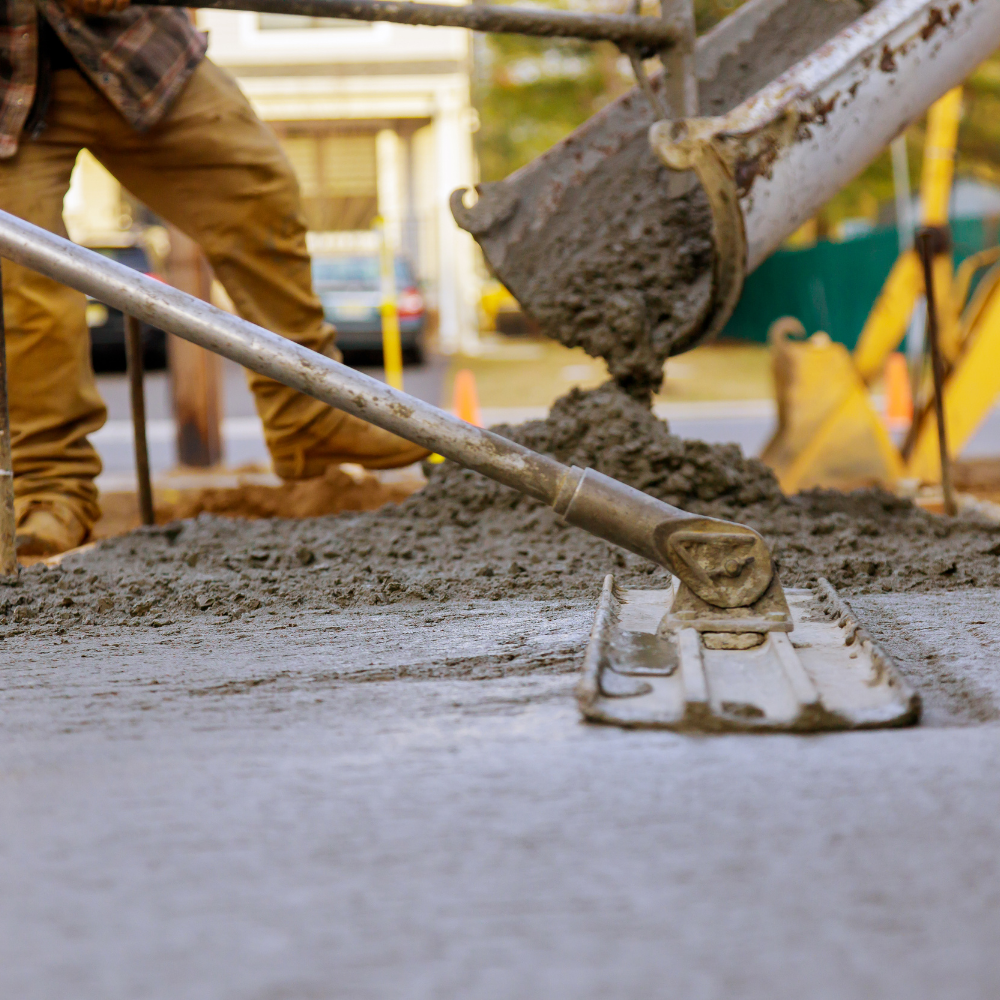
Slab Foundations: Strong Underpinnings for Any Build
A building in North Texas is only as strong as what you don’t see—its foundation. In McKinney and the greater Collin County area, expansive clay soils, rapid growth, and heavy swings between drought and downpour put enormous stress on every structure’s base. That’s why so many homes, shops, and light commercial buildings here are built on slab foundations: they’re efficient, economical, and, when done right, extremely durable.
Yet many property owners only think about their slab when cracks appear or doors stop closing properly. By then, repairs can be disruptive and expensive. The better approach is to understand how a slab should be designed, poured, and protected from day one—and how surrounding features like grading, Retaining Walls, and Driveways support its long-term health.
This guide breaks down what North Texas businesses and property owners need to know about slab foundations: how they work, local design considerations, how connected concrete features affect performance, and what to do if you suspect problems.
Key Insight: In McKinney’s climate and soil conditions, a properly engineered, well-drained slab foundation is your best long-term defense against structural movement, water intrusion, and costly foundation repair.
Why Slab Foundations Make Sense in North Texas
For many projects in McKinney—retail pads, warehouses, office shells, and even larger custom homes—a concrete slab is the most practical foundation choice. It offers a flat, continuous surface that can be engineered to handle our problematic clay soils and fluctuating moisture levels.
Slab foundations are typically a single, reinforced concrete layer poured directly onto prepared subgrade. In North Texas, this often includes thickened perimeter beams and interior grade beams to resist soil movement. Industry standards from ACI (American Concrete Institute) and PTI (Post-Tensioning Institute) guide design for thickness, reinforcement, and joint placement.
A recent regional study by the Texas A&M Transportation Institute noted that expansive soils contribute to billions of dollars in damage annually across the state. McKinney sits squarely in this zone, which means every slab needs thoughtful design—not just a thicker pour.
A local example: a small medical office off US-75 was experiencing interior drywall cracks and sticky exam room doors just two years after construction. Investigation showed minimal attention to Foundation Grading and drainage around the slab. After regrading and adding targeted Concrete Repair and sealing, movement stabilized and interior issues stopped progressing.
“Foundations don’t fail overnight. They reflect every decision made—from soil prep to drainage to how concrete is cured.” — TopCore Concrete Project Manager
CALLOUT: For North Texas properties, a slab is not just a concrete pad—it’s a system that must work with soil, water, and surrounding hardscapes to stay stable.
From Dirt to Durable: What a Quality Slab Build Actually Involves
A strong slab foundation starts long before the concrete truck arrives. Site preparation and grading are where many future problems are either prevented or silently locked in.
Site Preparation and Grading
Proper Land Grading Services shape the site so water flows away from the building, not toward it. In McKinney’s clay-heavy soils, standing water next to a slab is a recipe for differential movement. A well-prepared site will typically include:
- Stripping organic topsoil and soft spots
- Compacting subgrade to specified density
- Establishing positive drainage slopes (commonly 5% for the first few feet)
- Installing select fill where needed to improve bearing conditions
Forming and Reinforcement
Experienced concrete contractors in McKinney follow engineered plans that specify:
- Slab thickness and beam layout
- Rebar or post-tension cable placement
- Vapor barriers where needed
- Control joint layout to manage shrinkage cracking
Skipping or “eyeballing” these steps can lead to uneven support and early cracking. A retail shell project near Craig Ranch saw repeated slab cracking under pallet racking because rebar was not properly chaired off the subgrade. Remedial Concrete Resurfacing and load distribution pads were required to restore performance.
Pouring and Curing
Temperature swings and high winds in North Texas make curing critical. Best practices include:
- Placing concrete during cooler parts of the day in summer
- Using curing compounds or wet curing methods
- Protecting fresh concrete from rapid moisture loss and foot traffic
“Most slab issues start with poor subgrade prep or rushed curing practices—not the concrete mix itself.” — Structural Engineer, Dallas–Fort Worth Metroplex
CALLOUT: If a contractor talks only about “thickness” and not about soil prep, reinforcement, and curing, you’re not getting a complete foundation strategy.
How Surrounding Concrete Features Protect (or Damage) Your Slab
A slab doesn’t exist in isolation. The way you design and maintain your Sidewalks, Driveways, patios, and parking areas can either support your foundation or quietly undermine it.
Managing Water with Hardscapes
In McKinney’s storm events, hard surfaces can rapidly channel water. The goal is to route it away from the building and foundation. Well-designed Concrete Walkways and Parking Lots should:
- Slope away from structures
- Avoid trapping water against the slab edge
- Integrate with gutters, downspouts, and drainage swales
A restaurant near Historic Downtown McKinney had repeated water intrusion at the back-of-house wall. The issue wasn’t the wall—it was a concrete sidewalk sloped toward the building, funneling stormwater against the slab. Re-pouring that section with proper slope and adding Concrete Curb Installation eliminated the problem.
Retaining Walls as Foundation Allies
On sloped sites, well-placed Retaining Walls can protect foundations by:
- Controlling soil erosion
- Reducing lateral pressure on slab edges
- Creating stable terraces for parking or patios
Poorly built walls, however, can fail and dump saturated soil against your building. TopCore Concrete recently rebuilt a failing timber wall behind a McKinney office complex, replacing it with a reinforced concrete system tied into improved drainage. Foundation movement readings stabilized within the following year.
CALLOUT: The concrete around your building is part of your foundation’s defense system. Design every slab, walkway, and drive with water flow in mind.
Comparing Foundation and Paving Options for McKinney Properties
Property owners often weigh different materials and methods for both foundations and access areas. Cost matters, but so do performance and maintenance over time—especially in North Texas.
Slab and Paving Choices at a Glance
Below is a simplified comparison of common approaches for commercial and light industrial sites in the McKinney area:
| Feature / Area | Traditional Approach | Modern / Optimized Approach |
|---|---|---|
| Building Foundation | Basic slab, minimal soil testing | Engineered Concrete Foundations with soil report, beams, drainage planning |
| Vehicle Access | All concrete or all asphalt | Mix of Gravel Driveway, Asphalt Parking Lots, and concrete where needed |
| Patio / Outdoor Space | Plain broom-finished concrete | Stamped Concrete Patios with proper subbase and sealing |
| Walkways & Steps | Unreinforced walks, minimal joint planning | Engineered Concrete Sidewalk Installation & Concrete Steps Installation with drainage |
| Maintenance Strategy | Reactive repairs only | Planned Concrete Sealing, joint maintenance, and periodic inspections |
A distribution business near the McKinney Airport originally paved its entire yard in asphalt. Within a few years, rutting and ponding developed where heavy trucks turned frequently. A redesign shifted those high-stress zones to reinforced Concrete Flatwork, while keeping asphalt in lighter-use areas. The result was lower life-cycle cost and better drainage away from the main slab.
“Blending materials strategically—concrete, asphalt, and gravel—often delivers the best balance of performance and budget.” — Pavement Consultant, North Texas
CALLOUT: The “cheapest per square foot” choice isn’t always cheapest over 10–20 years, especially when poor drainage damages your slab.
From Foundations to Finishes: Creating Usable, Durable Outdoor Spaces
Once your slab foundation is in place, the next step is making the area around it functional and attractive for employees, customers, or tenants. Done right, these finishes also help protect the structure.
Patios, Entries, and Gathering Areas
For offices, restaurants, and multifamily properties in McKinney, outdoor spaces are a major amenity. Professional Patio Installation and Concrete Patio Installation can:
- Extend usable square footage
- Create outdoor seating or break areas
- Improve building value and curb appeal
A tech firm near McKinney’s corporate corridor upgraded a plain rear slab to a shaded, textured patio with integrated seating. Using Stamped Concrete Patios and proper jointing, the space now doubles as an outdoor meeting area. Careful attention to slope and drainage ensured water still flows away from the building foundation.
Steps, Walkways, and ADA Access
Safe, accessible movement around your building is both a code requirement and a liability concern. Thoughtful Concrete Steps Installation and Concrete Sidewalk Installation should include:
- Correct riser and tread dimensions
- Slip-resistant finishes
- Proper handrail integration where needed
- ADA-compliant slopes and landings
“Every transition from one elevation to another is an opportunity to either enhance safety—or create a trip hazard and water trap.” — Safety Compliance Consultant
CALLOUT: Outdoor concrete is more than cosmetic; it’s part of how people experience your property and how well your foundation stays dry and stable.
Parking, Drives, and Load Areas: Protecting Slabs from Heavy Use
Vehicle traffic is one of the biggest stressors on any site—and if it’s not properly managed, it can transfer stress and water right back to your building foundation.
Parking Lots and Drives
Well-designed Parking Lots and Driveways in McKinney must handle:
- Temperature swings from freezing to triple digits
- Occasional ice events and de-icing chemicals
- Heavy stormwater runoff
A typical strategy blends Concrete Driveway Installation for high-load zones (entrances, dumpster pads, loading docks) with Asphalt Parking Lots for general parking. Quality Parking Lot Paving and Parking Lot Striping not only guide traffic but help keep vehicles away from vulnerable slab edges.
A local manufacturing facility off SH-121 saw repeated cracking at its overhead door thresholds. The cause: an under-designed asphalt drive that allowed heavy trucks to rut and redirect water toward the slab. Rebuilding those approaches in reinforced concrete and adding Concrete Curb Installation solved both movement and drainage issues.
Gravel and Transitional Areas
Not every surface needs to be paved. In some cases, a properly installed Gravel Driveway or staging area:
- Reduces initial cost
- Improves infiltration in low-traffic zones
- Keeps heavy vehicles away from the main slab
However, transitions between gravel and concrete must be carefully detailed to avoid undermining slab edges.
“Think of your site like a drainage and load map. Where do water and weight go? Every answer should move them away from your foundation, not toward it.” — Civil Engineer, Collin County
CALLOUT: Design parking, drives, and loading zones with your foundation in mind. Poor paving decisions can undo good slab engineering.
Protecting Your Investment: Maintenance, Repair, and Leveling
Even the best-built slab in McKinney will move slightly over time. The goal is to manage that movement, catch issues early, and extend the life of your investment.
Routine Inspections and Sealing
Regular inspections by a foundation-savvy contractor can catch:
- New or widening cracks
- Doors and windows going out of square
- Changes in slab elevation or slope
- Ponding near the building edge
Strategic Concrete Sealing helps protect slabs, walks, and patios from moisture intrusion and surface wear, especially in high-traffic areas.
Repair, Leveling, and Resurfacing Options
When issues do arise, options may include:
- Foundation Leveling using piers or other systems to re-support settled areas
- Targeted Concrete Repair of cracked or spalled sections
- Concrete Resurfacing for worn but structurally sound slabs
- Drainage corrections and regrading to prevent recurrence
A retail strip center in McKinney experienced noticeable floor slope and drywall cracking over several years. Rather than immediately embarking on an invasive repair, engineers first corrected drainage, added a small Retaining Walls system, and sealed joints. Monitoring showed movement slowed significantly, allowing a more focused and less costly leveling scope.
“Foundation problems are rarely just a ‘slab issue.’ They’re usually a combination of soil, water, and time—and each of those can be managed.” — Foundation Specialist, North Texas
CALLOUT: Early, professional assessment often turns a potential major foundation job into a manageable maintenance or repair project.
What This Means for Businesses in McKinney, TX
McKinney’s rapid growth, challenging soils, and mixed-use development patterns make foundation decisions more important than ever. Whether you’re building a new office near Stonebridge Ranch, expanding an industrial facility along SH-5, or upgrading a retail pad near US-75, your slab foundation is the quiet workhorse that keeps everything else functioning.
Local climate and soil conditions demand more than a generic “4-inch slab” approach. They call for:
- True site-specific design, from soil testing to beam layout
- Integrated planning for Site Preparation, grading, and drainage
- Thoughtful coordination of patios, walks, drives, and Parking Lots
- A maintenance mindset that treats your slab as a long-term asset
Businesses that treat their foundation as part of a larger site system—rather than a one-time line item—see fewer disruptions, lower life-cycle costs, and better tenant and customer experiences.
In practical terms for McKinney property owners, that means:
- Partnering with contractors who understand expansive clays and local codes
- Asking how each concrete feature impacts water flow and loading on the foundation
- Budgeting for periodic inspections, sealing, and minor repairs instead of waiting for major failures
The bottom line: a well-planned, well-executed slab foundation, supported by smart surrounding concrete work, gives your business the stable base it needs to grow in a fast-changing North Texas market.
Frequently Asked Questions
Q: How thick should a slab foundation be for a commercial building in McKinney?
A: Thickness depends on load, soil conditions, and use, but many light commercial slabs in McKinney fall in the 4″–6″ range with deeper perimeter and interior beams. The real key is not just thickness—it’s engineering. A proper soil report and structural design will specify slab and beam dimensions, reinforcement, and joint layout. For higher loads (warehousing, equipment), the slab may be thicker or post-tensioned. Pairing an engineered slab with proper Site Preparation and Foundation Grading is far more important than simply “pouring it thicker.”
Q: Do I really need soil testing for a small commercial slab?
A: In North Texas, soil testing is highly recommended even for smaller projects. McKinney’s expansive clays can vary significantly across a single site. A geotechnical report informs the design of your Concrete Foundations, beam depths, and subgrade prep. Skipping this step might save a little up front but can lead to uneven settlement and costly Foundation Repair later. For tenant finish-outs on existing slabs, soil data from the original development or nearby projects can sometimes be used to guide decisions.
Q: How do I know if a crack in my slab or sidewalk is serious?
A: Not all cracks are structural. Hairline shrinkage cracks in Concrete Walkways or interior slabs are common and often cosmetic. Warning signs include cracks wider than a quarter-inch, vertical displacement from one side to the other, or doors and windows going out of square nearby. If you notice multiple symptoms—cracks plus sticking doors or sloping floors—it’s time for a professional evaluation. Many issues can be addressed with targeted Concrete Repair or drainage improvements before major Foundation Leveling is needed.
Q: Are concrete or asphalt better for my parking lot and drives?
A: It depends on use, budget, and maintenance expectations. Asphalt Parking Lots often have lower initial cost and are flexible under temperature changes, but they require more frequent maintenance. Concrete drives and Parking Lots generally last longer under heavy loads and can better protect your building approach areas from rutting and water ponding. Many McKinney properties use a hybrid approach: concrete at entrances, dumpster pads, and loading zones, with asphalt in general parking. The right mix can reduce long-term impact on your slab foundation.
Q: How often should I seal my outdoor concrete surfaces?
A: For high-traffic areas like Driveways, entries, and Patio Installation spaces, sealing every 2–4 years is common, depending on product and exposure. Concrete Sealing helps resist moisture penetration, staining, and surface wear, which is especially useful in McKinney’s hot summers and occasional ice events. Sealing doesn’t fix structural issues, but it does extend the life of sound concrete. Before sealing, any cracks or spalls should be addressed with appropriate Concrete Repair.
Q: Can I replace just part of my driveway or parking lot without affecting the foundation?
A: Yes, sectional Driveway Replacement or parking lot repairs are common, but details matter. New concrete or asphalt must be tied into existing surfaces correctly, with attention to slopes and drainage. Poorly executed partial replacements can create low spots that direct water toward your slab. Working with a contractor experienced in Driveway Repair, Parking Lot Paving, and Concrete Curb Installation helps ensure that patchwork improvements don’t introduce new foundation risks.
Q: Is resurfacing a good option for an old slab or patio?
A: Concrete Resurfacing can be an excellent solution when the underlying slab is structurally sound but cosmetically worn, stained, or lightly cracked. It allows you to refresh the surface—sometimes even changing texture or color—without full replacement. However, if there are signs of significant movement or foundation issues, those must be addressed first. In McKinney, resurfacing combined with improved drainage and joint sealing can add many years of life to patios, walks, and entry slabs at a fraction of replacement cost.
Ready to Get Started?
North Texas weather and soils won’t wait, and neither should your foundation planning. Whether you’re building new in McKinney, expanding an existing facility, or seeing early signs of movement, now is the time to make sure your slab and surrounding concrete are working together—not against each other.
Seasonal shifts here are hard on structures: long dry spells followed by intense storms can change soil moisture quickly, stressing any weak points in your foundation system. Addressing grading, drainage, and surface issues before peak summer heat or winter freeze helps protect your investment and avoid interruptions to your business.
The next step is straightforward: schedule a site walk with a concrete and foundation-focused contractor. Review your slab, Sidewalks, Parking Lots, patios, and drainage patterns as a single system. From there, you can prioritize repairs, upgrades, or new Concrete Slab Installation with clear timelines and budgets.
TopCore Concrete serves McKinney and the surrounding area with a full range of services—from foundations and Concrete Flatwork to Site Preparation and grading—so your project rests on a solid, long-lasting base.
About TopCore Concrete
TopCore Concrete is a McKinney-based concrete contractor specializing in slab foundations, flatwork, and site solutions for residential, commercial, and light industrial clients. With years of experience in North Texas soils and codes, the team brings engineering-minded planning, careful craftsmanship, and a strong safety record to every project. From Concrete Driveway Installation and Patio Installation to engineered Slab Foundations and Retaining Walls, TopCore Concrete helps property owners build and maintain durable, functional spaces across Collin County and beyond.