
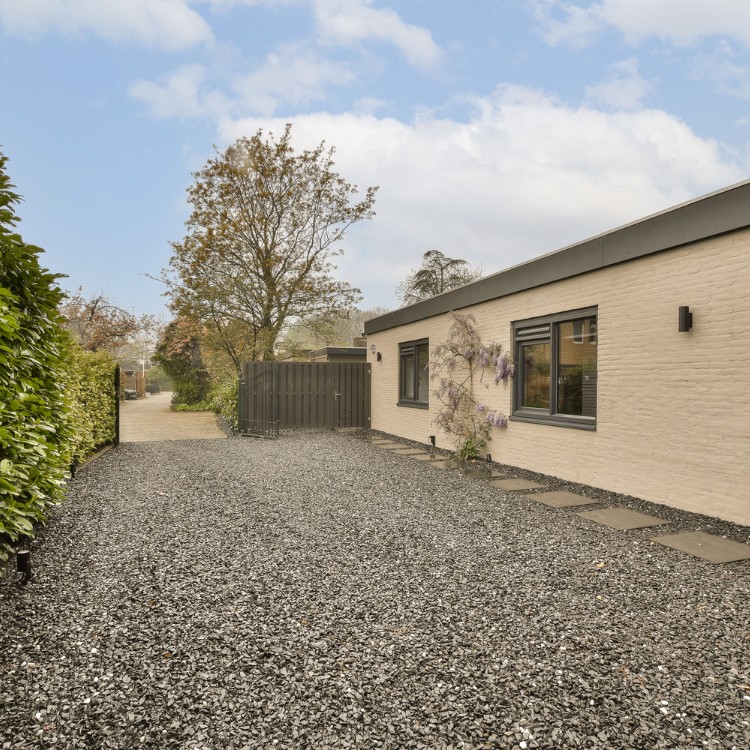
Gravel Driveway Revival: Smooth, Solid, Effortless Curb Appeal
On a hot McKinney afternoon, a homeowner watches dust clouds billow every time a car pulls into the driveway. Ruts hold water after a storm, loose rock washes into the street, and what was once a “low-maintenance” gravel drive now looks tired and uneven. Sound familiar?
Across Collin County, more property owners are rethinking their gravel driveways—not by tearing them out, but by rebuilding them the right way. With proper base prep, grading, and ongoing care, a gravel drive can look clean, feel solid, and boost curb appeal for years, even under Texas heat and storm cycles.
Studies from pavement and geotechnical associations show that up to 80% of driveway performance comes from the base and drainage, not the surface alone. That’s exactly where most DIY gravel drives fall short.
This guide walks you through how a professional rebuild can transform a frustrating, dusty mess into a smooth, durable entrance. You’ll learn what goes into a quality gravel driveway in North Texas, how it pairs with concrete solutions, and what to expect in terms of cost, longevity, and maintenance.
Key Insight: A great gravel driveway isn’t “just rock.” It’s a carefully graded, compacted system—often tied into your foundations, patios, and walkways—that manages water, supports weight, and keeps your property looking sharp.
From Rutted to Reliable: What a Proper Gravel Driveway Really Needs
A gravel driveway that looks and drives well year after year starts long before the first load of rock shows up. In McKinney and surrounding areas, soil movement and stormwater are the two main reasons driveways fail—whether gravel, asphalt, or concrete.
A durable gravel drive typically includes:
- Proper site evaluation and layout
- Subgrade preparation and compaction
- A stable base layer with the right aggregate mix
- Surface rock sized for traction and appearance
- Clean edges that tie into turf, Concrete Sidewalk Installation, or landscaping
On a recent project north of downtown McKinney, a client’s existing gravel drive had 4–6″ ruts and constant washouts. The original installer simply dumped rock over soft soil with no compaction. TopCore Concrete stripped the failed material, regraded the subgrade, installed a compacted base with crushed limestone, and topped it with fresh rock. The result: a driveway that drains properly, doesn’t rut in a week, and looks intentionally finished.
“Most gravel driveway failures trace back to what you can’t see—the base, compaction, and drainage.” — TopCore Concrete Field Supervisor
A properly built gravel driveway can stand alone or serve as a transition to hard surfaces like Concrete Driveway Installation or Asphalt Parking Lots on commercial sites. Done right, it becomes an asset—not a maintenance headache.
The Hidden Foundation: Grading, Drainage, and Soil in North Texas
Under every reliable gravel drive is a stable foundation. In McKinney, that’s a bigger challenge than in many regions because of our expansive clay soils and intense storm events.
Clay soils swell when wet and shrink when dry. That movement can:
- Create soft spots under wheel paths
- Lead to heaving and settling
- Trap water and cause potholes
Professional Foundation Grading and subgrade prep address these issues before they show up on the surface.
What proper grading and base prep look like
A typical revival process includes:
- Shaping the subgrade so water drains away from your home, garage, and any Concrete Foundations
- Compacting the soil to industry-standard densities
- Installing a crushed base that interlocks and resists movement
- Creating subtle crowns or cross-slopes so water sheds, not ponds
On a country property east of McKinney, a homeowner’s gravel drive kept washing into the ditch after heavy rain. The underlying problem? The drive was lower than the surrounding yard, with no crown. TopCore Concrete re-graded the entire lane, raised the drive, added a compacted base, and installed small swales to direct water safely. After a full storm season, the driveway remained intact with minimal touch-up needed.
By treating your driveway more like a small roadway than a pile of rock, you get performance that matches the investment—especially important where frequent deliveries, trailers, or heavier vehicles are common.
Pairing Gravel Driveways with Concrete: Entrances, Walkways, and Patios
A revived gravel driveway doesn’t have to stand alone. Many McKinney homeowners and small businesses choose a hybrid approach: gravel for longer runs and concrete for high-use or high-visibility areas.
Common combinations include:
- Gravel lane with a concrete apron at the garage or street
- Gravel parking area feeding into Concrete Walkways or front steps
- Rural gravel drive with concrete pads for RVs, trailers, or equipment
- Gravel entrance paired with a backyard oasis using Concrete Patio Installation
On a recent project near Stonebridge Ranch, a homeowner had a long gravel drive that tracked mud and rock right up to the garage doors. TopCore Concrete installed a concrete apron and widened it into a small parking court, then refreshed and re-graded the gravel beyond. The family gained a clean transition zone, easier snow/ice management in winter, and a more polished look from the street.
“Blending gravel with concrete gives you durability where you need it most, while keeping costs reasonable on longer runs.” — TopCore Concrete Project Manager
Example: Gravel drive + stamped patio
Another McKinney client wanted a rustic approach drive but a more finished entertaining area out back. The solution involved:
- Rebuilding the front gravel drive for strength and drainage
- Adding a rear-access gravel lane for lawn equipment
- Installing Stamped Concrete Patios off the back door for outdoor living
The contrast between the natural gravel and decorative concrete created a cohesive, functional property layout without overbuilding or overspending.
Controlling Erosion and Edges: Retaining Walls, Curbs, and Transitions
A beautiful gravel driveway can still fail if its edges aren’t contained and protected. In sloped or uneven areas around McKinney, strategic structures like Retaining Walls, curbs, and steps can make the difference between a stable drive and a constant erosion battle.
How edge control improves performance
Good edge design:
- Keeps gravel from migrating into lawns, beds, or sidewalks
- Prevents shoulder erosion where the drive meets a slope
- Directs water to safe runoff points
- Creates clean lines that boost curb appeal
For a hillside property near Lake Lavon, the driveway repeatedly washed out along one side where the yard dropped away. TopCore Concrete installed a low retaining wall along the edge, integrated a concrete curb, and then rebuilt the gravel surface. The wall and curb now act as both a structural and visual boundary, protecting the driveway and landscaping.
“Edge control is one of the most overlooked aspects of gravel drive design, especially where grade changes are involved.” — Civil Site Designer, North Texas
Driveway-to-walkway transitions
Loose rock spilling onto walkways is a common safety and maintenance issue. By tying your gravel drive into Sidewalks or steps with defined borders, you get:
- Safer footing for guests
- Less sweeping and cleanup
- A more intentional, finished appearance
On a small commercial office in McKinney, TopCore Concrete replaced a failing asphalt strip with a compacted gravel parking area and installed Concrete Sidewalk Installation leading to the entry. The concrete created a solid, ADA-friendly path, while the gravel kept costs down and blended with the site’s rustic aesthetic.
Gravel vs. Asphalt vs. Concrete in McKinney: Cost, Maintenance, and Use
Choosing the right surface is all about matching performance, budget, and use. For many properties in and around McKinney, a revived gravel driveway hits the sweet spot—especially when supported by proper grading and base work.
Here’s a simplified comparison for typical residential use:
| Feature / Factor | Gravel Driveway (Rebuilt) | Asphalt Driveways | Concrete Driveway Installation |
|---|---|---|---|
| Upfront Cost (per sq. ft.) | Lowest | Moderate | Highest |
| Lifespan (with care) | 10–20+ years (with refreshes) | 15–20 years | 25–30+ years |
| Maintenance Needs | Periodic top-ups, grading | Asphalt Parking Lots sealing, patching | Concrete Sealing, minor Concrete Repair |
| Ride Quality | Good with proper compaction | Smooth | Very smooth |
| Drainage Performance | Excellent if well-graded | Good with proper design | Relies on surface slope and drainage design |
| Aesthetic Flexibility | Natural/rustic look | Clean, utilitarian | Highly customizable, decorative options |
For longer rural drives, gravel almost always wins on cost. For short urban or suburban drives where a clean, low-maintenance finish is the priority, Driveway Replacement with concrete or asphalt may make more sense.
On a small commercial site in McKinney, TopCore Concrete helped the owner compare repaving their old asphalt with a new asphalt lot versus converting to concrete. In that case, heavy delivery traffic and tight turning areas pointed toward concrete for longevity, while a compacted gravel overflow lot handled occasional event parking at a much lower cost.
Modern Techniques: From Simple Rock to Engineered Surfaces
Today’s best gravel driveways look and perform very differently from the “dump and spread” approach of years past. Advances in compaction equipment, geotextiles, and site design—plus lessons learned from roadway engineering—have made gravel a smarter choice when installed correctly.
What’s changed?
Modern best practices may include:
- Geotextile fabrics in soft or wet areas to separate soil and base
- Multi-layer base systems for heavy vehicles or Parking Lots
- Laser-guided grading for precise slopes and crowns
- Integrated drainage design tied into Concrete Slab Installation and landscaping
- Scheduled maintenance plans instead of “wait until it fails”
On a horse property outside McKinney, the owner struggled with mud in winter and dust in summer along a long access lane. TopCore Concrete evaluated traffic patterns, soil conditions, and drainage, then:
- Installed geotextile over soft sections
- Added a thicker, well-graded base
- Crowned the drive and directed runoff to a swale
- Set up a light, scheduled top-dressing plan
The result was a driveway that stayed drivable in all seasons, with far less dust and mud tracked into barns and the house.
“Good gravel design borrows heavily from roadway engineering—it’s about layers, drainage, and load distribution, not just surface appearance.” — Pavement Design Specialist
Modern gravel drives can also be integrated cleanly with Concrete Flatwork such as pads, steps, or curbs, creating a cohesive property layout that feels planned rather than pieced together.
What This Means for Properties in McKinney, TX
McKinney’s rapid growth, clay-heavy soils, and intense weather swings create a unique environment for driveways and small access roads. Whether you’re on acreage outside the city or in a suburban neighborhood, your driveway is constantly battling:
- Soaking rains and flash runoff
- Summer heat and extended dry spells
- Soil movement that shifts and settles over time
- Increasing traffic from deliveries, work vehicles, and guests
For many local homeowners and small businesses, a professionally rebuilt gravel driveway is the most practical way to gain:
- A smoother, more reliable surface
- Better drainage that protects buildings and landscaping
- Cleaner transitions to garages, Concrete Patio Installation, and walkways
- Improved curb appeal without the full cost of a new concrete or asphalt installation
Because TopCore Concrete also handles Foundation Repair, Foundation Leveling, and site work, your driveway isn’t treated as an isolated feature. It’s part of a broader system that includes your home’s foundation, patios, sidewalks, and drainage.
That integrated approach matters in McKinney. A driveway that sheds water the wrong way can stress your foundation, erode your yard, or undermine adjacent Retaining Walls. A driveway that’s rebuilt with grading, base, and drainage in mind can actually help protect the rest of your property.
For property owners here, gravel driveway revival isn’t just about looks—it’s about long-term stability, safety, and making your investment in land and structures work together.
Frequently Asked Questions
Q: How long will a rebuilt gravel driveway last in McKinney’s climate?
A: With proper design, base preparation, and periodic maintenance, a professionally rebuilt gravel driveway in the McKinney area can perform well for 10–20 years or more. Longevity depends on traffic type (cars vs. heavy trucks), drainage, and soil conditions. Good Land Grading Services and compaction are critical. You’ll still want occasional top-dressing and light regrading to keep the surface tight and smooth, but you shouldn’t be fighting constant ruts and washouts. Many property owners choose to pair their gravel drive with small areas of Concrete Driveway Installation at high-wear points to extend overall life.
Q: My gravel driveway keeps washing out during storms. Can that really be fixed without going to concrete?
A: Yes, in most cases washouts can be addressed by correcting grading and rebuilding the base, rather than abandoning gravel entirely. The key is designing the driveway as part of your overall drainage system. That might mean reshaping the drive, installing swales or culverts, or adding edge protection like Retaining Walls in sloped areas. Once water is controlled, new base material and properly compacted surface rock will stay in place far better. For steep or high-traffic sections, some clients choose a hybrid solution that includes short stretches of concrete or asphalt paired with gravel on flatter runs.
Q: How does the cost of reviving my gravel drive compare to replacing it with asphalt or concrete?
A: Rebuilding a gravel driveway is typically the most budget-friendly option, especially for longer drives or larger Parking Lots. In the McKinney area, a full-depth concrete or asphalt replacement can be several times the cost per square foot of a properly rebuilt gravel surface. That said, each site is unique. Factors like required Concrete Foundations, drainage improvements, and soil stabilization can affect pricing. Many owners land on a blended approach: gravel for most of the length, with concrete aprons, pads, or small Driveway Replacement segments at garages and entries.
Q: Will a gravel driveway hurt my property value compared to a concrete one?
A: A poorly maintained gravel drive with ruts, mud, and washouts can definitely drag down curb appeal and perceived value. On the other hand, a clean, well-graded gravel driveway with defined edges and smooth transitions to Concrete Walkways or patios can fit beautifully with many McKinney properties—especially larger lots or rural settings. Buyers often look at how well a property is maintained and how functional it is. A professionally revived gravel drive that’s clearly part of a coordinated site plan (including drainage, Concrete Patio Installation, and paths) can be seen as a plus, not a compromise.
Q: Can you tie my existing concrete or asphalt driveway into a new gravel extension or parking area?
A: Absolutely. Many McKinney property owners already have a concrete or asphalt drive near the house and want to extend parking or access without a full hard-surface build-out. TopCore Concrete often ties new gravel areas into existing Driveways or Parking Lot Paving using transitions, curbs, or small aprons. The goal is to protect the existing surface, prevent cracking at the joint, and create a smooth, safe transition. In some cases, we also recommend Concrete Resurfacing or Driveway Repair to bring the old and new areas up to a consistent standard.
Q: What kind of maintenance will I need after my gravel driveway is rebuilt?
A: Ongoing care is simpler than most people expect. You’ll want to monitor for early signs of rutting or drainage changes and address them before they become deep problems. Light regrading and occasional additional rock keep the surface tight and attractive. Depending on traffic and weather, many McKinney-area drives only need minor touch-ups every couple of years. If your gravel driveway connects to Concrete Sidewalk Installation or patios, keeping those edges swept and free of loose rock also helps appearance and safety. TopCore Concrete can recommend a basic care schedule tailored to your site.
Q: Can you help with site preparation if I plan future buildings or slabs along my driveway?
A: Yes. Because TopCore Concrete offers comprehensive Site Preparation, Slab Foundations, and Concrete Slab Installation, we can design your driveway with future plans in mind. That might mean roughing in access for a future shop, RV pad, or barn, or coordinating grading so your driveway and future structures share efficient drainage paths. Planning ahead often saves money and reduces rework down the road.
Ready to Get Started?
North Texas weather isn’t getting any gentler, and every season of heavy rain or extreme heat takes another toll on a marginal driveway. If you’re already dodging potholes, tracking mud, or fighting constant washouts, waiting usually means more base damage and higher repair costs later.
A professionally revived gravel driveway can be scheduled and completed relatively quickly, especially compared to larger concrete or asphalt projects. Spring and fall in McKinney are prime times for Land Grading Services and driveway work—temperatures are ideal for compaction, and you’ll be ready before the next round of storms.
TopCore Concrete has deep experience with Gravel Driveway rebuilds, integrated Concrete Flatwork, and site drainage across McKinney and the surrounding communities. The team can walk your property, assess your existing drive, and provide clear options—from straightforward resurfacing to full base reconstruction and integrated concrete upgrades.
Take the first step toward a smoother, cleaner, more reliable entrance. Schedule a consultation, and let a local expert show you what a properly built gravel driveway can do for your property.
About TopCore Concrete
TopCore Concrete is a locally focused concrete and sitework contractor serving McKinney, TX and surrounding communities. The team specializes in Slab Foundations, Gravel Driveway construction, Driveway Repair and replacement, patios, sidewalks, and comprehensive grading and drainage solutions. With years of hands-on experience in North Texas soils and weather, TopCore Concrete delivers practical, long-lasting solutions backed by professional standards and a commitment to straightforward communication. Learn more about their services and local projects at https://topcoreconcrete.com/.