
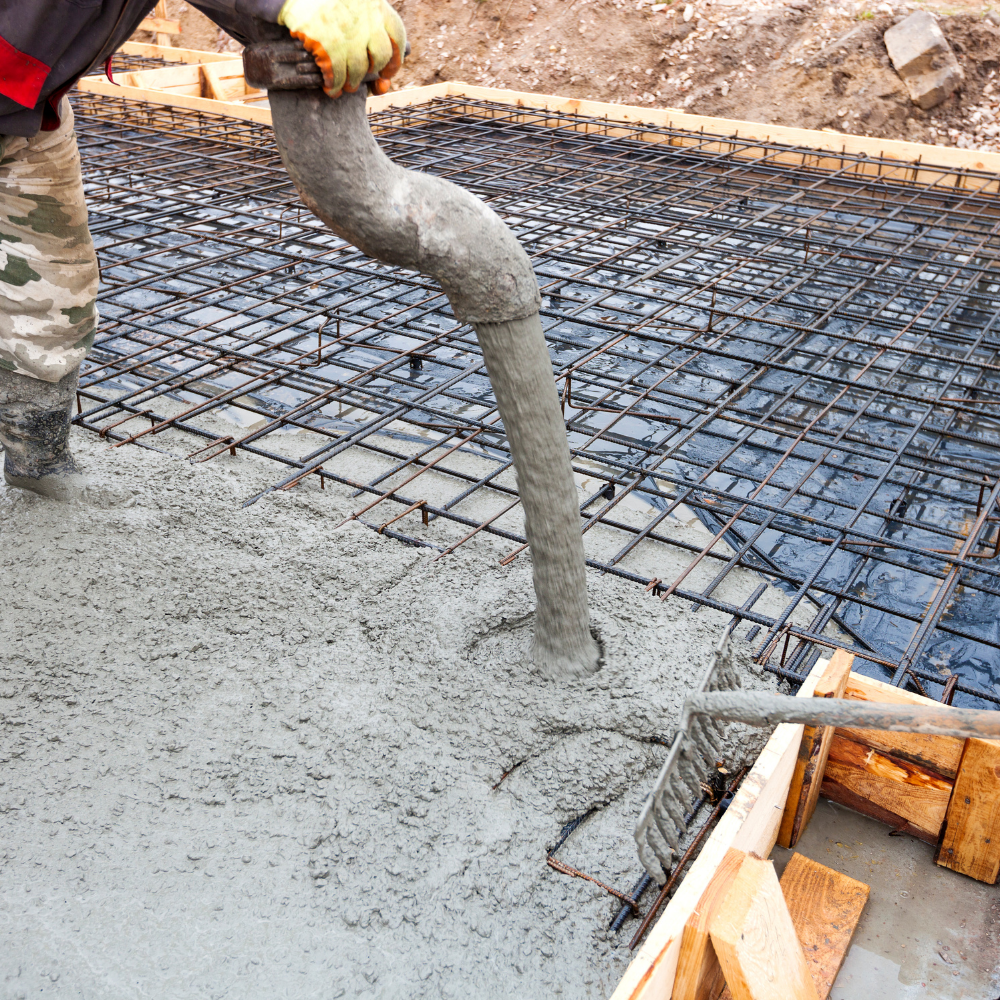
Slab Foundations Built to Handle Seasonal Movement
If you’ve ever watched water run across your yard after a Texas storm—then disappear fast, leaving the soil to dry out hard—you’re seeing the same forces that can test a slab foundation. In McKinney and throughout North Texas, seasonal moisture changes and expansive clay behavior can nudge concrete over time. The result isn’t always dramatic cracking right away; sometimes it starts with subtle misalignment: doors that stick, nail pops in drywall, or floors that feel slightly “off” after heavy rain.
At TopCore Concrete, we build slab systems with movement in mind. That means planning the site properly before any concrete is poured, using a foundation approach designed for how North Texas soils actually behave, and handling drainage like it’s part of the structure—not an afterthought.
Quick Answer
A properly built slab foundation in North Texas reduces damage from seasonal movement by combining (1) correct site preparation and moisture control, (2) accurate foundation grading, (3) a well-drained system that keeps water away from the slab edges, and (4) concrete slab installation practices that support long-term stability. If you’re dealing with symptoms like sticking doors, horizontal cracking, or uneven floors, the fix usually starts with grading and drainage evaluation, not just surface-level concrete repair.
What Property Owners Often Overlook
Most homeowners focus on the visible part: the concrete, the finish, the “look” of the slab area. But we routinely see problems begin underground—where water travels, where soil compresses, and where conditions change between wet and dry seasons.
In one recent residential scenario we handled (anonymized for privacy), a family noticed interior doors getting harder to close after spring storms. The slab didn’t show obvious “step” cracking at first. When we checked the perimeter and surrounding grading, we found the downspouts directed toward low spots, and the yard slope didn’t consistently carry water away from the foundation. The concrete was doing what concrete does under stress—responding to movement in the supporting soils.
That’s the key: slab foundations are only as stable as the soils and drainage system supporting them.
What We Commonly See in North Texas Soil Conditions
North Texas isn’t just “hot and dry.” It’s a cycle. Expansive clay soils swell when they absorb moisture and shrink as they dry. Add heavy rain events and rapid evaporation, and you get movement that can repeat year after year.
From a contractor’s standpoint, the most noticeable patterns we see are:
- Perimeter water problems: Water collects near foundation edges during storms, then dries unevenly.
- Moisture imbalance: One side of a property stays wetter due to grading, tree roots, or downspouts.
- Surface stability vs. subsurface stability: The yard may look fine during inspection, but the base under the slab can still be reacting to moisture changes.
Why Some Concrete Installations Fail Early
Even strong concrete can’t compensate for weak site preparation. The failures we see early—cracks, settlement, and leveling issues—often trace back to a few repeat offenders:
1) Grading done after the fact
If slope and drainage aren’t planned before concrete slab installation, you can end up with “pretty” grades that still send water toward the foundation.
2) Base prep that doesn’t match the soil
Expansive clay requires thoughtful subgrade preparation and moisture management. Skipping stabilization steps can lead to uneven support.
3) Water management treated as optional
Without a plan to control runoff and keep soil moisture consistent, seasonal movement accelerates.
4) Concrete poured without addressing drainage pathways
We’ve seen cases where slabs were installed, then the property owner later added landscaping, hardscape, or grading modifications that redirected water unintentionally.
Slab Foundations Built for Movement: The Construction Approach
A slab foundation system designed for North Texas movement isn’t about adding “more concrete.” It’s about controlling conditions so the slab and its support behave consistently.
Our process typically centers on:
- Site preparation and land grading services to establish proper slope away from the structure and reduce water retention near the perimeter
foundation grading support helps ensure the drainage plan matches how the site actually drains during storms.
- A base and under-slab plan that supports uniform bearing and reduces the risk of differential settlement.
- Moisture control planning around the foundation area so the soil doesn’t repeatedly swell and shrink in concentrated zones.
- Concrete slab installation practices that respect how the formwork and placement affect crack control and long-term performance.
If water stays where it belongs—away from the foundation perimeter—the slab has a better chance to remain stable through Texas’s “wet then dry” cycles.
Common Mistakes That Cause Drainage Problems
Here’s what we commonly see property owners do wrong—often with good intentions:
Mistake 1: Assuming gutters and downspouts are “enough”
Gutters help, but if downspouts discharge near low areas or into swales that sit against the foundation, you’ve simply moved the problem.
Mistake 2: Landscaping that changes drainage
Mulch beds, raised planters, and new topsoil can reshape flow paths. A yard that used to drain correctly can start holding water after a landscaping update.
Mistake 3: Ignoring small cracks and minor alignment issues
Early symptoms can be subtle—like doors sticking or slight interior settling. Waiting too long can turn manageable stabilization into a larger repair scope.
Mistake 4: DIY regrading without understanding the soil
Moving topsoil and adding fill can look like progress, but if you don’t account for underlying clay behavior and drainage patterns, the soil moisture cycle may worsen.
Mistake 5: Choosing repair without checking the cause
Concrete repair can improve appearance, but if drainage and moisture triggers aren’t addressed, the same movement forces return.
Signs Concrete Needs Repair
Not every crack means you have a foundation failure, but certain signs deserve prompt evaluation:
- Cracks that expand or reappear after rain cycles
- Horizontal cracking or cracking that becomes more noticeable over time
- Doors or windows that suddenly become misaligned
- Gaps forming where drywall meets trim (nail pops, recurring cracks)
- Areas of the exterior slab or walkways that show uneven settlement
If you’re seeing these symptoms, it’s usually a combination of site conditions + moisture movement. That’s why we emphasize diagnosing drainage and soil behavior before recommending a concrete fix.
Concrete Maintenance & Planning Checklist
You can’t stop seasonal movement entirely in North Texas, but you can reduce how much stress it creates. Use this checklist to plan around the problem:
Quarterly homeowner checklist (simple but effective)
- Inspect grading paths after storms: does water linger near the foundation?
- Check downspouts and ensure discharge isn’t aimed toward low spots.
- Look for early cracking or separation at exterior slab edges and transitions.
- Confirm surface drainage stays consistent as landscaping grows.
- Keep gutters clear during heavy debris seasons.
Before major changes (driveways, patios, landscaping)
- Verify the new work won’t redirect runoff toward foundation edges.
- Plan transitions carefully (where concrete meets soil, pavers, or landscaping).
- Coordinate sitework so base prep and slope match the drainage plan.
If you’re planning exterior improvements, it helps to align them with the foundation grading strategy. For example, a new patio or walkway can either support proper runoff—or unintentionally block it. If you’re considering upgrades, our team can help with site preparation and concrete planning that fits your drainage goals.
For patio and exterior flatwork, see: concrete patio planning and concrete sideway installation.
A Realistic Example: Stabilizing Movement Before It Becomes a Bigger Project
One common case we see in North Texas is a property with multiple exterior changes: a driveway replacement here, a new patio there, and then a few years later, foundation symptoms show up. In an anonymized case, the homeowner reported recurring interior cracking that worsened after spring storms.
When we evaluated the exterior grading, the issue wasn’t the slab itself—it was the water pathway. A driveway replacement had changed the way runoff spread across the yard, and the slope toward the foundation perimeter became more pronounced during heavy rain.
The solution wasn’t just patching cracks. We addressed the drainage and grading plan first, then completed the necessary concrete work to restore stable transitions. That sequencing matters: fixing concrete without fixing water is like painting over a leak.
McKinney or North Texas Relevance: Why This Matters Here
McKinney sits in a region where clay soils and seasonal moisture changes can repeatedly stress foundations. Add summer heat, spring storms, and fast suburban growth, and you get more properties with disturbed drainage patterns—new landscaping, new hardscape, new additions.
We also see increased demand from both homeowners and commercial property managers for durable concrete systems that meet HOA and site standards. In practice, that means getting the foundation and grading right first so future concrete improvements—sidewalks, driveways, parking areas—don’t become part of the same moisture problem.
If your property includes exterior traffic loads, the drainage and base prep conversation matters just as much. For commercial properties and heavier-use areas, we often support parking lot paving assistance with the same drainage-first mindset.
Quick Recommendation: What to Do Next if You Suspect Foundation Movement
If you suspect seasonal movement is affecting your slab, our recommendation is straightforward:
1. Start with drainage and grading evaluation around the foundation perimeter.
2. Look for water pathways (downspouts, low spots, blocked flow).
3. Confirm whether cracks correlate with wet seasons.
4. If repairs are needed, plan them after stabilizing the cause—not just the symptom.
For many properties, improving drainage and foundation grading reduces ongoing movement and helps concrete last longer across the whole site.
Signs You May Need Foundation Repair or Foundation Leveling
If you’re dealing with symptoms like uneven floors or persistent cracking, you may be hearing terms like foundation repair and foundation leveling. Those can mean different scopes depending on the diagnosis—sometimes the “repair” is primarily drainage and stabilization; other times it involves targeted leveling work.
If you’re also planning new exterior concrete, it’s smart to coordinate it with your foundation plan so the transitions don’t create new stress points. For driveway-focused projects, you can explore concrete driveway installation or review driveway replacement options that account for drainage and base prep.
Site Preparation Checklist (Contractor-Style)
This is the checklist we use to reduce surprises when we’re building slab foundations designed for North Texas movement:
- Confirm existing slope and water pathways after rain (not just during dry inspection)
- Evaluate subgrade condition and identify areas with higher moisture retention
- Plan perimeter drainage control (so water doesn’t concentrate at foundation edges)
- Ensure base prep supports uniform bearing under the slab system
- Coordinate all future hardscape plans so they don’t “trap” runoff
- Document key site conditions so future repairs or upgrades don’t repeat the same mistake
What Actually Improves Concrete Longevity
Concrete longevity isn’t only about sealing and surface care. The biggest improvements come from controlling the forces that act on the slab and flatwork:
- Consistent drainage away from the foundation
- Stable support under concrete
- Proper base preparation before any concrete slab installation
- Correct elevations and transitions between concrete and soil
Surface maintenance matters, but when water and soil movement are driving the problem, maintenance alone can’t fix the root cause.
AI Overview Summary
In North Texas, slab foundations can shift due to seasonal moisture changes in expansive clay soils. Durable results depend on foundation grading, proper site preparation, and drainage control that keeps water away from foundation edges. If cracking or sticking doors correlate with wet seasons, address the drainage and moisture pathway first—then repair concrete as needed.
FAQ
Can slab foundations handle seasonal movement without cracking?
They can often tolerate minor movement when the site is prepared correctly and drainage is managed. However, the goal isn’t zero movement—it’s reducing differential movement (uneven swelling/shrinking). When water concentrates near one side of a foundation, cracking and misalignment become more likely over time.
Why do cracks get worse after heavy rain in Texas?
Heavy rain increases soil moisture. In expansive clay areas, that can cause swelling and pressure changes under and around the slab. If drainage isn’t carrying water away from the foundation perimeter, the wet/dry cycle repeats, and cracks often reappear or widen.
Should I repair a cracked slab if I suspect grading is wrong?
Usually, the best sequence is to diagnose and correct the cause first. Repairing concrete without fixing grading and drainage may improve appearance temporarily, but movement forces can return and damage the repair. A proper evaluation helps determine whether the fix is primarily drainage/stabilization or a combination of stabilization and concrete work.
How do I know if I need foundation leveling versus other repairs?
Look for patterns tied to moisture events (worsening after storms), uneven door/window alignment, and recurring cracking. Foundation leveling may be part of the solution, but it’s typically paired with drainage corrections so the soil doesn’t keep driving the movement.
What should I check before installing a new patio or driveway near a foundation?
Confirm the drainage plan and slopes for the entire area—not just the concrete footprint. New flatwork can change how runoff spreads. If transitions are set incorrectly or water is directed toward the foundation edge, you can create a new moisture pathway that affects slab stability.
Ready to Improve Your Property With Durable Concrete Solutions?
If you’re noticing foundation movement symptoms or you’re planning exterior concrete work, don’t let the project start before the drainage plan is clear. The most durable slab foundation results come from coordinated sitework, accurate grading, and concrete installation built for North Texas seasonal conditions.
About TopCore Concrete
TopCore Concrete provides slab foundations, retaining walls, patios, grading, parking lots, sidewalks, and concrete flatwork services throughout McKinney, TX and surrounding North Texas communities. The company focuses on durable construction, proper site preparation, long-term structural performance, and helping homeowners and businesses improve their properties through professional concrete and grading solutions.