
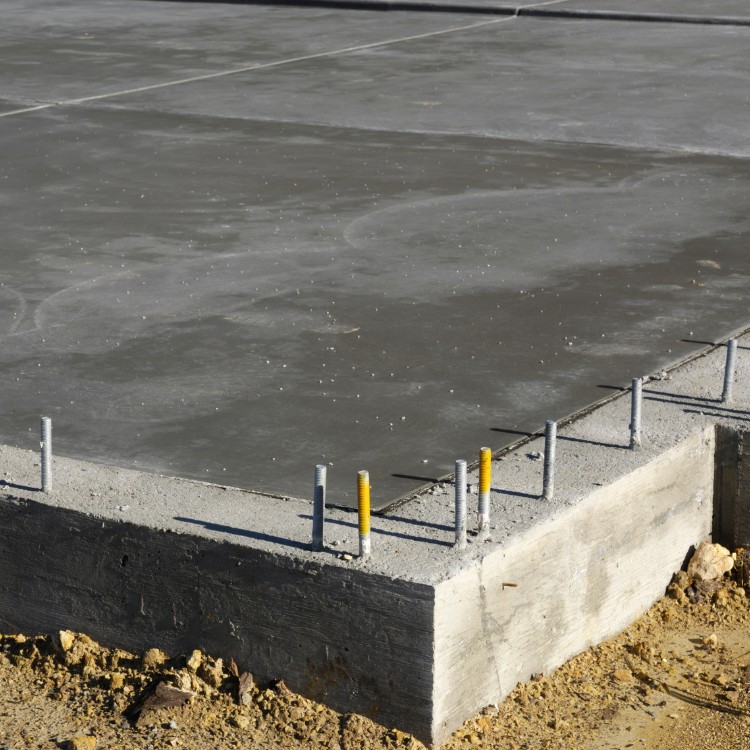
Patio Installation: A Step-by-Step Path to Comfort
A well-designed patio changes how you use your home. In McKinney, where we get more than 230 sunny days a year, that extra outdoor “room” can become the most-used space on your property. Whether you’re grilling on a summer evening, hosting friends for the big game, or just watching the kids play, the right patio adds comfort, value, and usable square footage without a full-scale addition.
Across North Texas, outdoor living projects remain one of the highest-ROI home improvements, often recouping 60–80% of their cost at resale. But there’s a catch: patios are only as good as the planning, grading, and foundation beneath them. Poor layout, drainage issues, or low-quality concrete can turn a dream space into a cracked, uneven headache in just a few years.
This guide walks you through patio installation step-by-step—from planning and design to concrete placement, finishing, and long-term care—so you know what to expect, what decisions matter most, and how a professional team like TopCore Concrete helps you avoid costly mistakes.
Key Insight: A beautiful patio starts long before the concrete is poured; proper design, grading, and base preparation are what make it comfortable, durable, and low-maintenance for years to come.
Step 1: Design the Space Around How You Actually Live
A successful patio doesn’t start with concrete—it starts with lifestyle. Before any layout or measurements, you need a clear picture of how you want to use the space.
In McKinney, we regularly see three main uses:
- A casual family space with a grill and seating
- An entertainment hub with dining area, fire pit, and maybe an outdoor kitchen
- A functional transition zone that connects Concrete Walkways, Concrete Driveway Installation, and the backyard
One recent project near Craig Ranch is a good example. The homeowner initially asked for a simple 10×10 pad off the back door. After we walked the property and asked a few questions—how many people they host, where the evening shade falls, how they access the driveway—they ended up with:
- A larger, L-shaped patio for both dining and lounging
- A short Concrete Sidewalk Installation connecting to the driveway
- A covered grilling zone oriented away from prevailing winds
The patio cost a bit more than the original idea, but it actually fit their life. They now use it almost daily from March through November.
“Form follows function. The best-looking patios are designed around how people move, gather, and relax—not the other way around.” — TopCore Design Team
Key design considerations:
- Size and zones: Plan at least 10’ depth for dining areas; allow 3’ of clearance behind chairs.
- Sun, shade, and wind: In McKinney’s summer heat, orientation and shade structures matter.
- Traffic flow: Think about how people will move from doors to grills, seating, and Driveways.
- Future features: Leave room for possible pergolas, outdoor kitchens, or hot tubs.
This thoughtful design phase sets the stage for the next critical step: making sure the ground beneath your future patio is ready to support it.
Step 2: Site Preparation and Grading – Where Durability Really Starts
Once you know what you’re building, the next question is: can the ground support it? North Texas clay soils expand and contract with moisture, which is why proper Foundation Grading and site prep are non-negotiable.
For a recent project in Stonebridge Ranch, the homeowner had a small existing concrete pad that had settled and tilted toward the house. Every hard rain meant water against the foundation and, eventually, minor Foundation Repair concerns. Our team:
- Removed the old slab
- Regraded the area to slope away from the home (about 1/4″ per foot)
- Compacted the subgrade and added a gravel base
- Coordinated new Concrete Foundations work at a nearby entry step to keep everything level and safe
After the new patio went in, runoff flowed correctly, and the homeowner reported that their crawlspace stayed noticeably drier even after heavy storms.
“Water management is 50% of concrete performance in North Texas. If it drains well, it usually lasts well.” — Senior Project Manager, TopCore Concrete
Key elements of site prep:
- Soil evaluation: Identify soft spots, organic material, and any standing water issues.
- Land grading services: Shape the ground to direct water away from the house, patio, and neighboring properties.
- Compaction: Use mechanical compactors for a stable base—especially important in McKinney’s mixed-fill subdivisions.
- Base material: Often a compacted layer of crushed stone or road base, similar to what we use under Gravel Driveway installations.
With the ground prepped and drainage planned, you can finally start thinking about the concrete itself and which style makes the most sense for your home.
Step 3: Choosing the Right Concrete Patio System for Your Home
Not all patios are created equal. Between standard broom-finished slabs, decorative finishes, and specialty options, there’s a spectrum of choices for both performance and appearance.
Common Patio Options in McKinney
| Patio Type | Pros | Cons | Best For |
|---|---|---|---|
| Standard broom-finished concrete | Cost-effective, durable, quick install | Basic look | Rental homes, budget projects |
| Concrete Patio Installation with color | Warmer, custom appearance | Slightly higher cost | Owner-occupied homes, resale value |
| Stamped Concrete Patios | Mimics stone/brick, upscale look | Needs sealing, more complex install | Outdoor living “showpiece” spaces |
| Concrete with score lines | Clean, modern, helps control cracking | Less decorative than stamping | Contemporary homes, poolside patios |
A homeowner off Virginia Parkway wanted the look of natural stone without the maintenance and shifting issues that come with pavers on expansive clay. We recommended a reinforced slab with a stamped overlay, colored and textured to resemble flagstone. By treating it as a single, well-reinforced slab (similar structural principles to a light-duty Concrete Slab Installation), we delivered the aesthetic they wanted with the durability of poured concrete.
For many McKinney properties, especially on newer lots where soil movement is a concern, we also look at how the patio interacts with nearby elements:
- Tying into Concrete Walkways
- Coordinating with existing Driveway Replacement or Driveway Repair
- Integrating low Retaining Walls to handle elevation changes
“Good patio design often borrows techniques from structural flatwork and Slab Foundations. You don’t see the engineering—but you feel it in how solid everything is underfoot.” — TopCore Structural Lead
When you choose a patio system, you’re really deciding on:
- Appearance and style
- Maintenance level (sealing, cleaning)
- Longevity under local soil and weather conditions
Once the system is selected, the next step is executing the pour with proper reinforcement and finishing.
Step 4: Forming, Reinforcement, and the Pour – Getting the Structure Right
This is the part most homeowners picture when they think of Patio Installation: forms, rebar, trucks, and wet concrete. But the details here determine how your patio holds up over the next 10–20 years.
For a project near McKinney Boyd High School, the homeowner had an existing patio that had cracked badly along the edge where it met the yard. No rebar, no control joints, and minimal base prep. We replaced it with:
- Properly staked, level forms
- Steel reinforcement (rebar grid) tied securely, similar to light-duty Concrete Flatwork standards
- Control joints placed at calculated intervals to manage natural shrinkage cracking
- A slightly thickened edge to handle furniture and traffic loads
After the pour, we finished the surface with a light broom texture for slip resistance and added decorative saw cuts for a cleaner look.
Key steps in this phase:
- Formwork: Defines the shape, slope, and edge detail. Must be sturdy and correctly aligned.
- Reinforcement: Rebar or wire mesh helps control cracking and support loads.
- Concrete mix: Tailored for weather conditions and use; hot Texas days may require adjusted mix and timing.
- Finishing: From simple broom finishes to stamped patterns, timing is critical for a clean, durable surface.
“Concrete doesn’t forgive shortcuts. If you miss a step during forming or finishing, the patio will remind you for years.” — Field Superintendent, TopCore Concrete
After the pour, curing and early care make the difference between a surface that dusts, flakes, or cracks—and one that stays strong and attractive.
Step 5: Curing, Sealing, and Long-Term Maintenance
Concrete keeps gaining strength long after the trucks leave. The first week is especially important, and how the patio is cured and protected will impact its performance for years.
In a recent McKinney project near Towne Lake, the homeowner wanted a decorative finish with integral color. We:
- Applied a curing compound to slow moisture loss
- Kept foot traffic off the slab for the recommended period
- Returned after the initial cure to apply a high-quality Concrete Sealing system designed for decorative flatwork
Two years later, their stamped patio still looks fresh, with color protected from UV fade and surface wear.
Best practices for curing and maintenance:
- Initial curing: Protect from rapid drying, especially in hot, windy North Texas conditions.
- Sealing: For decorative or Stamped Concrete Patios, sealing helps resist stains, moisture intrusion, and color fading.
- Cleaning: Gentle pressure washing and neutral cleaners maintain appearance without damaging the surface.
- Repairs: Address minor issues early with professional Concrete Repair or Concrete Resurfacing before they grow.
Preventive Care vs. Reactive Repair
| Approach | Typical Actions | Long-Term Cost in McKinney Climate |
|---|---|---|
| Preventive care | Proper curing, sealing every few years, drainage check | Lower; patio often lasts 15–25+ years |
| Reactive-only maintenance | Ignore until cracks/spalling, patch as needed | Higher; potential for early replacement |
“Concrete is low-maintenance, not no-maintenance. A little attention every few years protects a big investment.” — TopCore Maintenance Specialist
With the patio built and protected, the final step is integrating it into your overall property—both visually and functionally.
Step 6: Integrating Your Patio with the Rest of Your Property
The most comfortable patios feel like a natural extension of the home, not an add-on. That comes from good transitions, thoughtful grading, and, when needed, supporting elements like Retaining Walls and walkways.
A McKinney homeowner near Eldorado Parkway had a steep backyard slope. A basic patio would have felt cramped and disconnected from the rest of the yard. Instead, we designed:
- A primary patio at the back door
- A tiered system of low Retaining Walls to create flat terraces
- Steps and Concrete Steps Installation leading to a lower fire pit area
- Integrated Concrete Walkways tying into the side yard and driveway
Now, the entire backyard is usable, and the patio feels like part of a complete outdoor living system.
How integration adds comfort and value:
- Safer access: Smooth, well-placed walkways reduce trips and falls.
- Better drainage: Coordinated grading around patios, Driveways, and Parking Lots keeps water moving where it should.
- Visual continuity: Matching finishes across Sidewalks, patios, and steps creates a cohesive look.
- Future flexibility: A well-planned layout allows easy expansion or additions later.
“Think of your patio as one piece of a larger site plan. When everything—from the back door to the driveway—is aligned, the property feels bigger and more comfortable to use.” — TopCore Design Team
What This Means for Homeowners in McKinney, TX
McKinney’s growth, soil conditions, and climate make patio planning a little more complex than just “pour a slab and call it a day.” Our expansive clay soils, heavy spring rains, and hot summers all put stress on outdoor concrete. That’s why a patio here needs the same level of thought you’d give to Slab Foundations or major Foundation Leveling work.
At the same time, McKinney homeowners are increasingly focused on outdoor living. New subdivisions near Trinity Falls and established neighborhoods near Historic Downtown are seeing strong demand for patios that function like outdoor living rooms—spaces that blend with existing Driveways, side yards, and, in some cases, small private Parking Lots for RVs or boats.
A well-planned patio:
- Expands usable living space without the cost of an addition
- Improves drainage and site performance when paired with proper Site Preparation and grading
- Boosts curb appeal and resale value in a competitive local market
- Creates a comfortable, shaded retreat from the Texas heat
Because TopCore Concrete works across residential patios, Parking Lot Paving, Asphalt Driveways, and commercial Asphalt Parking Lots, we bring commercial-grade standards to residential projects. That means better attention to drainage, base prep, and long-term performance—not just surface appearance.
For McKinney homeowners, that translates into patios that stay level, drain correctly, and remain comfortable and attractive far longer than “builder-basic” slabs.
Frequently Asked Questions
Q: How thick should a concrete patio be in McKinney’s soil conditions?
A: For most residential Concrete Patio Installation projects in McKinney, a 4″ slab is standard, with proper reinforcement and a compacted base. In areas with heavier use—like where outdoor kitchens, hot tubs, or heavy furniture will sit—we may recommend thickened sections or a more robust design similar to light-duty Concrete Foundations. The key is less about thickness alone and more about the whole system: soil preparation, Foundation Grading, base material, reinforcement, and joint placement. A well-engineered 4″ slab will typically outperform a thicker slab that’s poured directly on poorly prepared soil.
Q: Will my new patio affect drainage or cause foundation issues?
A: It can—positively or negatively—depending on how it’s designed. A properly graded patio should improve drainage by directing water away from your home’s foundation. At TopCore Concrete, we evaluate existing grades, gutters, and nearby Driveways or Sidewalks to ensure runoff flows safely. We use the same mindset we bring to Foundation Grading and Foundation Repair projects. When done correctly, your patio becomes part of a broader drainage strategy that helps protect your home rather than putting additional stress on it.
Q: Is stamped concrete worth the extra cost over a standard patio?
A: For many McKinney homeowners, yes—especially if you entertain often or plan to sell in the next 5–10 years. Stamped Concrete Patios provide the look of stone or pavers with fewer joints and less risk of individual units shifting in expansive clay soils. They do require periodic Concrete Sealing and a bit more care to keep the surface looking its best. However, the visual impact can significantly enhance your outdoor living experience and property value. If your budget is tight, we can often combine decorative borders or score patterns with a standard finish to find a balance between cost and appearance.
Q: How long does patio installation usually take from start to finish?
A: Most residential patios in McKinney take 2–5 working days on site, depending on size, complexity, and weather. That includes demolition (if needed), Site Preparation, forming, reinforcement, the pour, and initial finishing. Decorative or stamped work may require additional visits for coloring, stamping, and sealing. Keep in mind, the concrete continues to cure for weeks, so we’ll give you specific timelines for light foot traffic, moving furniture back, and any follow-up Concrete Sealing. During busy seasons in McKinney’s construction calendar, lead times can extend, so it’s smart to schedule early—especially for spring and fall projects.
Q: Can you tie a new patio into my existing driveway or sidewalk without it looking patched together?
A: Yes, in most cases. We often integrate patios with existing Concrete Driveway Installation, Driveway Repair, or Concrete Sidewalk Installation work. We’ll look at your current concrete’s thickness, condition, and elevation to determine the best connection method. Sometimes we can align color and finish closely; other times, we recommend using deliberate contrast or decorative bands so the transition looks intentional rather than mismatched. When the existing surface is in poor condition, we may suggest partial Driveway Replacement or Concrete Resurfacing to create a unified, safe, and attractive overall layout.
Q: How do McKinney’s clay soils affect patios, and what can be done about it?
A: Our expansive clay soils swell when wet and shrink when dry, which can cause movement in slabs that aren’t properly supported. To combat this, we focus on thorough Land Grading Services, compacted base materials, and appropriate reinforcement—principles we also use on Parking Lot Paving and Parking Lot Striping projects where durability is critical. Good drainage, consistent watering of surrounding landscaping, and avoiding concentrated water at slab edges all help reduce soil movement. With the right design and prep, your patio can perform very well even in challenging soil conditions.
Q: Can you handle both my patio and related concrete work like steps, walkways, or a small parking pad?
A: Absolutely. TopCore Concrete regularly designs and installs complete outdoor systems that include patios, Concrete Walkways, Concrete Curb Installation, Concrete Steps Installation, and even small Parking Lots or Asphalt Driveways for RV or boat parking. Handling everything together lets us coordinate grading, drainage, and finishes so the entire project works as a cohesive system. It’s often more cost-effective and less disruptive than doing each element separately, and you benefit from a single team accountable for the whole result.
Ready to Get Started?
McKinney’s best patio weather arrives fast—and the contractors’ schedules fill up just as quickly. If you want a comfortable, durable outdoor space ready for the next season of cookouts, game nights, and quiet mornings with coffee, planning ahead is essential.
TopCore Concrete brings commercial-grade standards to residential Concrete Patio Installation, from careful Site Preparation and grading to long-lasting finishes, sealing, and integration with your existing Driveways and Sidewalks. Our team lives and works in the McKinney area, so we understand the soils, the weather, and the expectations of local homeowners.
If you’re considering a new patio, an expansion, or an upgrade from an aging slab, the best next step is a site visit. We’ll walk your property, listen to how you want to use the space, and provide clear, practical options—no pressure, no guesswork.
About TopCore Concrete
TopCore Concrete is a locally focused concrete contractor serving McKinney, TX and surrounding North Texas communities. Our team specializes in structural Slab Foundations, Patio Installation, Driveways, Parking Lots, and comprehensive Site Preparation and grading services. By combining field-tested experience with attention to detail, we deliver concrete work that looks good on day one and performs for years. To learn more about our services and see how we can help with your next project, visit our homepage at https://topcoreconcrete.com/.