
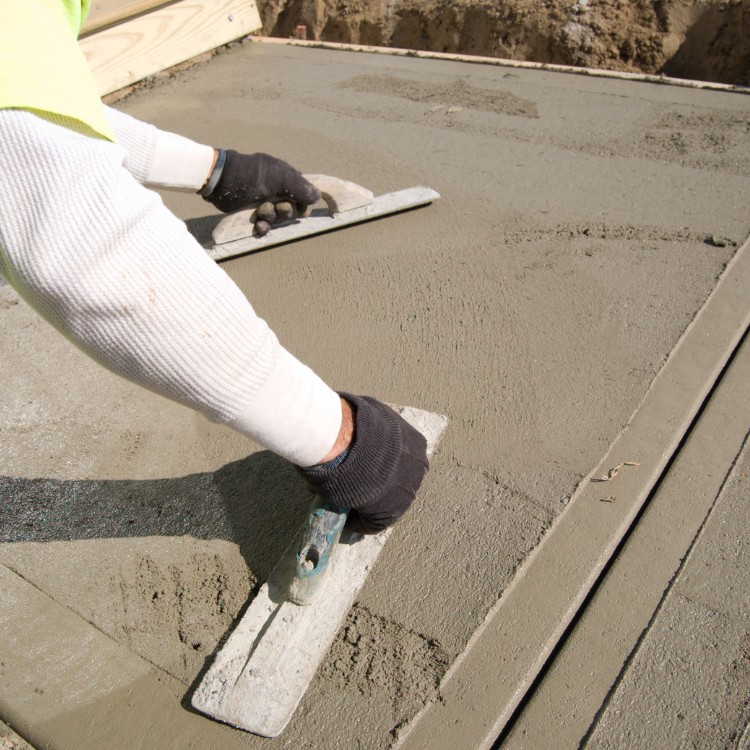
Patio Installation With Patterns That Pop Visually
A few weeks after a heavy North Texas storm, a lot of homeowners in McKinney call us with the same complaint: “Our patio looks fine, but it doesn’t behave like it should.”
Water sits longer than it used to, edges look darker after rain, and—most noticeable—sections start to look uneven. Sometimes the issue is blamed on “bad concrete,” but in practice it’s usually a story of grading, base prep, and drainage planning that wasn’t dialed in before the pour.
If you’re considering a patio installation that includes eye-catching patterns—think stamped concrete patios with borders, medallions, or a contrasting “walkway” design—this guide will help you understand what matters structurally so the finished look stays sharp for years.
Quick Answer
Patterned concrete patios can look incredible and hold up well in North Texas when the job is built on the right foundation: proper site preparation, compacted base thickness, correct thickness for local soil conditions, and drainage that keeps water moving away from the home. Choose a pattern and finish that match your lifestyle, but don’t let appearance lead the design—grading and subbase performance determine whether the patio settles, cracks, or stays level.
Why Patterned Patios Look Great—and What Makes Them Last
Patterned concrete is more than just a finish. When done correctly, stamped concrete patios create depth and visual rhythm without sacrificing the practicality of concrete flatwork.
Here’s how we think about it on real projects:
1) The pattern should follow the drainage, not fight it
A common temptation is to center the design and “make it symmetrical.” That’s fine for the look, but the patio still needs a consistent slope away from the house and toward a drainage path. In North Texas, we design for real rainfall, not just dry-season aesthetics.
On many McKinney properties, even a small grading error can show up quickly—especially along the house line where roof runoff concentrates.
2) The base determines the final surface
Stamped concrete can hide some surface imperfections temporarily, but it can’t correct movement under the slab. We typically focus on:
- removing unsuitable material and topsoil
- compacting a granular base to reduce voids
- ensuring the slab thickness matches the intended use (and local conditions)
If the base isn’t compacted consistently, the patio can develop settlement “tracks” that distort the pattern over time.
3) The release color and sealer system affect both look and protection
A beautiful pattern also needs a system that resists weathering, sun exposure, and moisture cycling. We plan the finishing sequence so the patio surface color and texture stay consistent, then we seal it appropriately for durability and easier maintenance.
What We Commonly See in North Texas Soil Conditions
North Texas is known for expansive clay soils—meaning the ground can shrink and swell with moisture changes. That behavior can stress concrete slabs, especially when water is trapped or directed incorrectly.
On one anonymized residential job in the McKinney area, the homeowner loved the look of the stamped concrete patio on day one. After a couple seasons, they noticed:
- a subtle dip near the outer edge
- darker staining where water lingered
- hairline cracking that followed the low points
The pattern wasn’t “wrong.” The drainage path was. Once runoff was redirected and the grading corrected around the patio perimeter, the patio stopped behaving like a sponge and started behaving like a slab should.
Hand-on observation from the field
One of the most revealing steps is checking the subgrade after excavation and before base placement. You can tell a lot by what’s left behind—soft pockets, disturbed clay, or inconsistent elevations. The finish can’t compensate for that. We’ve seen contractors rush the base or rely on “it’ll compact later,” and that’s when you get early settlement and pattern distortion.
Common Mistakes That Cause Drainage Problems
Patterned patios are showpieces, so homeowners often focus on color choices, border styles, and which stamp set looks closest to natural stone. Those are valid decisions. But the biggest failures usually come from the stuff you can’t see.
Mistake 1: Skipping proper site preparation
If topsoil and organic material remain under the slab, they break down and create voids. That leads to unevenness and cracks.
Mistake 2: Incorrect slope toward the house instead of away from it
A slight negative slope can be enough to keep water where you don’t want it. Over time, that moisture cycling contributes to surface wear and can affect surrounding soil.
Mistake 3: Not planning where runoff goes
Even if the patio slopes correctly, where does the water end up? If it drains into landscaping that holds water, or toward a foundation-impacted area, you can still run into problems.
Mistake 4: Forgetting about connections to the home
Transitions matter. If the patio edge is too tight to the foundation drainage strategy, water can work its way where it shouldn’t. This is where we coordinate patio installation with the broader foundation and grading plan.
If you’re also dealing with foundation concerns, you may want to review foundation grading support so the patio doesn’t become the “next” place where drainage issues show up.
Site Preparation Checklist (What a Quality Patio Installation Includes)
If you want a patio that looks great and stays that way, here’s a practical checklist to discuss before the first form goes down.
Site & grading
- Confirm the desired slope away from the house
- Identify where water should discharge (and where it should not)
- Verify elevations at door thresholds and surrounding grade
Base prep
- Remove topsoil and unsuitable material
- Proof-check subgrade conditions before adding base
- Place and compact base in lifts (not in one dump)
- Address any soft spots before proceeding
Concrete & finishing
- Use appropriate concrete mix design for the application
- Plan control joints early so cracking is controlled—not random
- Finish for texture consistency (especially with stamped patterns)
Protection
- Apply the right curing and sealing plan for long-term performance
- Educate homeowners on maintenance timing and safe cleaning products
A Practical Recommendation for Patterned Patio Design
For patterned concrete patios, we recommend choosing a design that supports water flow and daily use.
Here’s how we guide homeowners:
- If you expect more foot traffic along one side (near a grill area, outdoor kitchen, or entry path), we recommend orienting the pattern so the “visual lines” don’t make the low side hard to notice.
- Consider slip resistance. A decorative finish is only helpful if it’s safe when wet.
- Keep expansion and control joint locations in mind. Joints aren’t the enemy—they’re the system that helps concrete crack where it’s supposed to.
Example case (anonymized)
A homeowner wanted a stamped patio with a contrasting border “frame” around the cooking area. The design looked perfect in photos. During prep, we noticed the proposed slope would direct runoff toward a landscaping area that stayed damp most of the year. We revised the grading plan slightly and adjusted the border layout so the final look stayed consistent while the water path worked correctly.
That small coordination step is what turned an aesthetic upgrade into a patio that actually performs.
McKinney or North Texas Relevance: Why This Matters Locally
In McKinney and the broader North Texas area, patios tend to experience:
- rapid seasonal moisture swings from clay soil expansion and contraction
- intense summer sun that speeds up wear on unprotected surfaces
- heavy rain events that test drainage plans quickly
Patterned concrete can handle these stresses, but only when the system beneath the pattern is built correctly—base preparation, thickness decisions, and grading direction. The goal isn’t just a patio that looks right on move-in day; it’s one that stays right through changing weather and real use.
If your property also includes pathways or connecting flatwork, we often coordinate layout with concrete sidewalks so the transitions don’t create trip hazards or drainage pockets.
Concrete vs. Asphalt Comparison for Patios (Quick Reference)
| Feature | Patterned Concrete Patio | Asphalt Patio/Pad |
|---|---|---|
| Visual detail | Excellent (stamped patterns, borders, textures) | Limited (often smoother finishes) |
| Long-term rigidity | Strong when built on proper base | Can soften/shift with heat and moisture |
| Maintenance | Sealing helps protect color and reduce staining | Periodic resurfacing may be needed |
| Drainage behavior | Predictable with correct grading | Can deform where water sits |
| Best use | High-visibility areas and long-term performance | Budget-conscious applications |
If your project scope includes a driveway replacement or major paving work, it can help to plan the entire site together. For example, we often see improved drainage and cleaner transitions when homeowners coordinate paving with concrete driveway installation solutions or driveway replacement decisions.
Why Some Concrete Installations Fail Early
Even when concrete is poured “the right way,” early failure usually comes back to one of these:
- Underprepared subgrade: voids and soft spots lead to settlement.
- Inconsistent compaction: creates uneven support under the slab.
- Poor drainage planning: water remains near the slab edges.
- Finish not matched to design needs: stamped surfaces need a compatible sealer and maintenance plan.
- Joints not planned: uncontrolled cracking can disrupt the pattern visually.
If you’re seeing signs of movement in existing concrete, sometimes a repair strategy is better than starting over. In those cases, we evaluate the slab and surrounding drainage. For guidance on how we approach slab performance and repair planning, you can also explore slab foundations—because the “why” behind slab movement is the same story under patios and under many home foundations.
Signs Concrete Needs Repair (Before You Make It Worse)
If you already have a patio and you’re deciding whether to repair or replace, watch for:
- growing cracks that follow low points after rain
- areas that feel softer or seem to “sink” underfoot
- water pooling near the house or along edges
- repeated surface staining that doesn’t improve after cleaning
- visible joint separation that’s wider than it used to be
Addressing drainage and grading first is often the difference between a cosmetic fix and a long-term solution.
What Property Owners Should Know
A patterned patio is a system: concrete finish + protective coating + base support + drainage plan. If any part is treated like an afterthought, the patio can lose both performance and appearance.
If you’re planning the project alongside other site improvements—like retaining walls, parking areas, or a full driveway and walkway network—planning the whole layout prevents height mismatches and runoff traps.
For example, when properties require more complex water control, coordinating with retaining wall construction services can help stabilize soil movement so your patio stays level over time.
And if you’re working on a larger property or commercial site, patio and flatwork decisions often connect to surface traffic needs and drainage. In that case, we’ll align the approach with how we build parking lot paving assistance so the entire site behaves as one coordinated drainage and structural system.
Concrete Maintenance Checklist (So the Pattern Stays Sharp)
A patio with stamped details needs maintenance, but it’s not complicated. Here’s a simple plan that works:
- Rinse and remove debris regularly (leaves and grit hold moisture and can dull texture)
- Use pH-neutral cleaners for routine washing
- Avoid harsh chemicals that can damage sealer performance
- Re-seal when needed (timing depends on sun exposure and traffic)
- Inspect annually after storms for joint changes and edge settlement
- Keep water flowing away by maintaining surrounding grading and landscaping
Ready to Improve Your Property With Durable Concrete Solutions?
If you’re planning a patio installation with patterns that pop visually, start with the foundation of the project—grading, base prep, and drainage—so the design stays crisp instead of settling into uneven lines.
About TopCore Concrete
TopCore Concrete provides slab foundations, retaining walls, patios, grading, parking lots, sidewalks, and concrete flatwork services throughout McKinney, TX and surrounding North Texas communities. We focus on durable construction, proper site preparation, long-term structural performance, and helping homeowners and businesses improve their properties with concrete solutions built for local weather and soil conditions.