
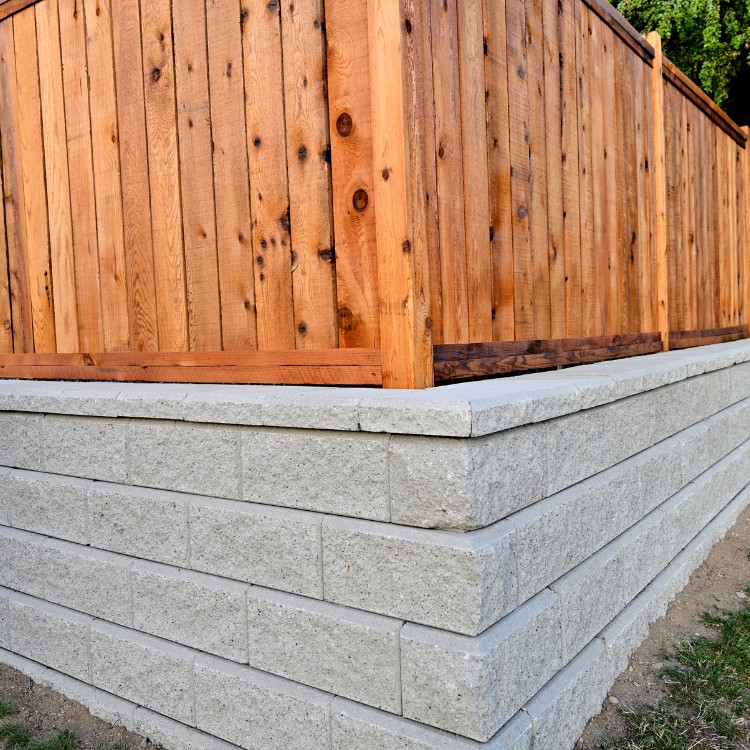
Retaining Walls for Dramatic Terraces and Safety
If you’ve ever watched a rainstorm run straight toward your house—or seen a backyard slope start “creeping” after heavy weather—you already know why retaining walls matter. In McKinney and the broader North Texas area, drainage issues and soil movement can turn a simple grade problem into cracked concrete, undermined patios, and eroded landscaping. And when the slope is steep enough, the safety side becomes just as serious: erosion doesn’t just look bad, it can destabilize the ground beneath walkways and structures.
A properly planned retaining wall can do two things at once: create usable, level terrace space and manage the water and lateral soil pressure that cause premature failure. The difference between a wall that looks great for years and one that needs early repairs usually comes down to what’s happening underground—especially drainage, base prep, and how the wall is tied into the site.
Quick Answer
Retaining walls hold back soil and control erosion, but they only perform well if the design includes correct base preparation, proper drainage (often through weep holes and a drainage layer), and adequate reinforcement for the soil conditions. In North Texas, expansive soils and intense rain events make drainage planning essential. If you see leaning walls, bulging, gaps at joints, or water pooling behind the wall, it’s a sign the wall may be pushing against trapped water or insufficient base support.
What Property Owners Often Overlook
Most homeowners focus on the wall’s appearance—stone color, height, and the “terrace” look. That’s normal. But in the field, we’re usually thinking one step deeper:
- Where does the water go when it hits the slope? If water can’t escape, it builds pressure behind the wall.
- What’s underneath the wall? Soft, poorly compacted subgrade will settle even if the wall face looks fine.
- How is the wall integrated with surrounding concrete and flatwork? A patio, walkway, or driveway can become the “weak link” if grading directs water toward the wall or undermines the base.
How Retaining Walls Create Dramatic Terraces (and Real Safety)
A well-built retaining wall turns an unusable hillside into flat, functional space—perfect for outdoor kitchens, seating areas, garden beds, or walkways. The goal is not just vertical height; it’s creating a stable platform while keeping water controlled.
Contractor-first design priorities
In practical terms, a solid retaining wall project includes:
- Site preparation and base support: excavation to the correct depth, removal of unsuitable material, and compaction in layers.
- Drainage system behind the wall: commonly a drainage aggregate layer, filter fabric, and weep provisions to reduce hydrostatic pressure.
- Proper backfill selection and placement: the wrong backfill can hold water or create voids that later settle.
- Connection to the rest of your site: terrace grading, downspout routing, and tie-ins with existing concrete so water doesn’t find a new path.
A realistic North Texas scenario we see
A common pattern: a homeowner builds a raised terrace and installs a decorative wall, then later adds a patio. After the first heavy rain, the patio edge starts to settle slightly. That’s usually not because the patio finish is “bad”—it’s because water is being directed toward the interface between the wall and the patio area. Once water is trapped or concentrated, it erodes fine soil and undermines compaction over time.
If the terrace and flatwork were planned together—with correct drainage and site preparation—that settlement risk drops dramatically.
Why Some Retaining Wall Projects Fail Early
Retaining walls don’t fail because of one dramatic mistake. They usually fail because of a few “small” decisions that stack up.
Common failure causes
- Trapped water behind the wall (no drainage layer or weep path)
- Insufficient compaction behind and beneath the wall
- Backfill that holds water instead of draining
- Wall built without considering lateral soil pressure
- Poor tie-in to adjacent concrete causing water to channel toward the wall
Firsthand contractor observation
One thing we’ve learned over years of sitework: when we excavate behind a wall that’s underperforming, we often find fine soil migration and evidence of water pathways where drainage should have been. Even when the wall face looks “okay,” the backfill and drainage are where the real story lives.
Mistakes That Cause Drainage Problems
Here are the missteps that property owners make most often—because they seem harmless at the time.
1) “We’ll fix it later” grading
If downspouts, swales, or terrace grading aren’t addressed early, runoff can concentrate at the wrong spot. In North Texas storms, that can overwhelm a wall’s ability to manage water.
2) Blocking the wall’s drainage function
Sometimes contractors (or DIYers) cover drainage aggregate with the wrong materials or compact directly over drainage zones without a filter layer. That can stop water from moving to the weep system.
3) Directing yard irrigation toward the slope
Irrigation overspray behind a wall can look subtle, but repeated wetting changes soil behavior. Expansive clays can swell and shrink, and wet soils increase movement and pressure.
4) Ignoring the “concrete neighbor”
If you have or plan to add concrete patio installation near the terrace, the grading needs to match the wall plan. Otherwise, the patio becomes a water redirector instead of a stable surface.
If you’re still in planning mode, it helps to coordinate wall work with your sitework scope. For example, we commonly advise homeowners to review site preparation needs before pouring any new slab or flatwork—especially on slopes.
Signs Concrete Needs Repair Near Retaining Structures
Retaining walls and concrete flatwork can influence each other more than people realize. Watch for:
- Cracks that widen after rain
- Uneven settlement along patio edges or walkway borders
- Slab movement near wall tie-ins
- Water pooling where runoff should be draining away
- Soil washing out from behind the wall face (or exposed aggregate)
If you already see symptoms, the fix often starts with correcting grading and drainage before addressing the concrete surface. Surface repairs without drainage correction rarely last.
Construction, Repair, or Maintenance Checklist
A retaining wall is a system. Use this planning checklist to keep the project durable—especially in North Texas conditions.
Site preparation and drainage checklist
- Confirm the wall design accounts for soil type and slope
- Verify excavation depth and subgrade removal of unsuitable material
- Ensure layered compaction behind the wall
- Include a drainage layer (aggregate/filter) behind the wall
- Provide weep pathways or drainage outlets where needed
- Plan terrace grading to direct runoff away from the wall line
- Route downspouts and irrigation so they don’t oversaturate the backfill
Concrete and terrace maintenance checklist
- Keep expansion joints clear and free of debris (where applicable)
- Re-check drainage after landscaping changes
- Rinse off sediment buildup after heavy rains
- Inspect annually for bulges, leaning, or gaps in mortar/blocks
- If you have adjacent concrete, monitor cracks for “rain-related” patterns
When to consider foundation or grading support
If your wall project ties into areas near slab foundations or you notice recurring settlement patterns, it may be a bigger site stability issue. In those cases, we recommend evaluating foundation grading support and drainage pathways early to protect the long-term performance of concrete around the home.
McKinney or North Texas Relevance: Why Soil and Rain Change Everything
North Texas isn’t just “hot and rainy”—it’s a specific mix of soil behavior and storm intensity that stresses earth retention systems. Many properties in the region sit on expansive clay soil, which expands when wet and contracts as it dries. Combine that with sudden, heavy rain events and you can get both:
- increased water pressure behind a wall, and
- ground movement that undermines base compaction and adjacent flatwork.
That’s why the best retaining walls here are built around controlling water, not just stacking material. Proper drainage details are what keep terraces looking sharp and keep concrete flatwork from developing settlement lines.
Contractor-grade recommendation
If you’re building a terrace and you expect vehicle access nearby—drive lanes, service areas, or parking—plan the whole site in layers. We often see projects where a wall is installed first, then later a driveway or parking area is added without re-evaluating grading. That’s where problems start. If your property includes hardscapes such as driveways or parking improvements, coordinating the final grade is critical.
For design help on the broader sitework layout, you can also review options like foundation grading support and related site planning through our sitework services:
- foundation grading support
- retaining wall construction services
- concrete patio planning
A Simple Concrete Comparison (When Terraces Need More Than a Wall)
Sometimes homeowners ask whether a retaining wall can be replaced by a different approach—like building up soil and using surface-level concrete. In many cases, that doesn’t address the core issue: lateral soil pressure and water movement.
| Approach | Best For | Main Limitation |
|---|---|---|
| Retaining wall system | Sloped sites, terraces, erosion control | Requires correct drainage + base prep |
| Soil build-up + turf | Gentle slopes, low pressure areas | Water can still concentrate and undermine edges |
| Concrete-only “barrier” | Decorative edge or minor grade changes | Rarely designed for long-term lateral pressure |
Our recommendation is straightforward: if you need real height or true terrace functionality, design a retaining wall system that manages water and pressure. Then coordinate any nearby concrete work so the grade supports both.
An Example Case From a Typical North Texas Property
Here’s an anonymized example that mirrors what we see around McKinney and nearby communities:
A homeowner created a raised backyard seating terrace with a decorative retaining wall. Months later, they noticed a thin crack line in the adjacent concrete walkway after rain. The walkway wasn’t far from the wall tie-in. When we inspected the site, we found evidence of water channeling toward the base area—meaning the drainage and grading weren’t consistent with the new grade.
The corrective plan focused on:
1. adjusting terrace grading to reduce runoff concentration,
2. improving drainage behind the wall where needed, and
3. addressing the concrete settlement line after the water pathway was corrected.
The key lesson: the walkway didn’t fail because concrete “can’t handle rain.” It failed because the site drainage plan didn’t match the new slope and water behavior.
If your project involves concrete in multiple zones—terrace, walkway, and driveway—coordinating the sequence matters, too. For drive access, planning through driveway replacement and long-term grading is often part of the same conversation:
- Driveways
What Actually Improves Concrete Longevity Near Terraces
Even the most attractive wall won’t protect your investment if water keeps relocating to weak points. Longevity improves when the “system” stays dry and stable:
- stable base compaction under slabs and flatwork
- grading that directs runoff away from wall interfaces
- drainage that prevents hydrostatic pressure buildup
- proper concrete sealing and maintenance for exposed surfaces
If you’re planning larger flatwork around the terrace—like a stamped patio—our team can help you coordinate planning and build the right base for the finish you want. For reference, you may also like:
- Concrete Patio Installation
And if the terrace connects to commercial-style access or heavy-use areas, don’t overlook the sitework base requirements. For business properties, we also support heavier paving and layout planning, including:
- Parking Lots
Quick Notes on Concrete Repairs and Foundation Concerns
Sometimes retaining wall issues show up as concrete symptoms first—cracks, uneven edges, or recurring water pooling. If those symptoms extend beyond flatwork (for example, repeated settlement patterns near a home), you may be dealing with foundation impacts from drainage or grading.
For slab-related concerns, homeowners typically need a clear plan rather than guessing. If you suspect this applies to your property, review:
- Slab Foundations
Ready to Improve Your Property With Durable Concrete Solutions?
A dramatic terrace should feel like an upgrade—not a recurring maintenance problem. The safest path is to plan the retaining wall and the surrounding concrete and grading as one project, with drainage designed in from day one.
About TopCore Concrete
TopCore Concrete provides slab foundations, retaining walls, patios, grading, parking lots, sidewalks, and concrete flatwork services throughout McKinney, TX and surrounding North Texas communities. We focus on durable construction, proper site preparation, and long-term structural performance—helping homeowners and businesses improve their properties with stable grades, controlled drainage, and concrete built to last.
FAQ
How do I know if my retaining wall needs drainage improvements?
If you see water pooling behind the wall, damp soil near the base, bulging blocks, or new gaps after rain, drainage is often the issue. Even a visually solid wall can fail underground when hydrostatic pressure builds. A professional inspection usually looks for signs of trapped water and checks whether the wall’s backfill and weep/drainage pathways are functioning as designed.
What’s the biggest cause of retaining wall failure in North Texas?
In North Texas, trapped water and poor backfill/compaction are the most common causes. Expansive clay soils expand when wet and can increase pressure against the wall. After heavy rain, inadequate drainage can turn a manageable slope into a destabilizing one—especially if the wall wasn’t built with a proper drainage layer and filter system.
Can I add a patio or walkway after building a retaining wall?
Yes, but it should be coordinated. The patio/walkway base and grading must match the wall’s drainage plan. If you pour concrete too close to an interface where water is redirecting, you can get settlement cracks and uneven edges. Planning the sequence and final grade helps prevent those “works for a year, then shifts” situations.
Should I choose stamped concrete patios for a terrace area?
Stamped concrete patios can be great on terraces when the base prep and drainage are correct. The decorative finish doesn’t fix movement—so we prioritize soil stability, proper compaction, and correct slope away from the wall. When those are handled, stamped patios hold up well and maintain a clean look despite Texas weather swings.
Do retaining walls affect slab foundations?
They can, indirectly. If the wall project changes how water moves across your property—or if drainage isn’t handled behind and around the wall—it can contribute to soil moisture changes near foundation areas. That’s why grading and drainage planning are essential, especially when your wall is near a home, garage, or slab-on-grade areas.