
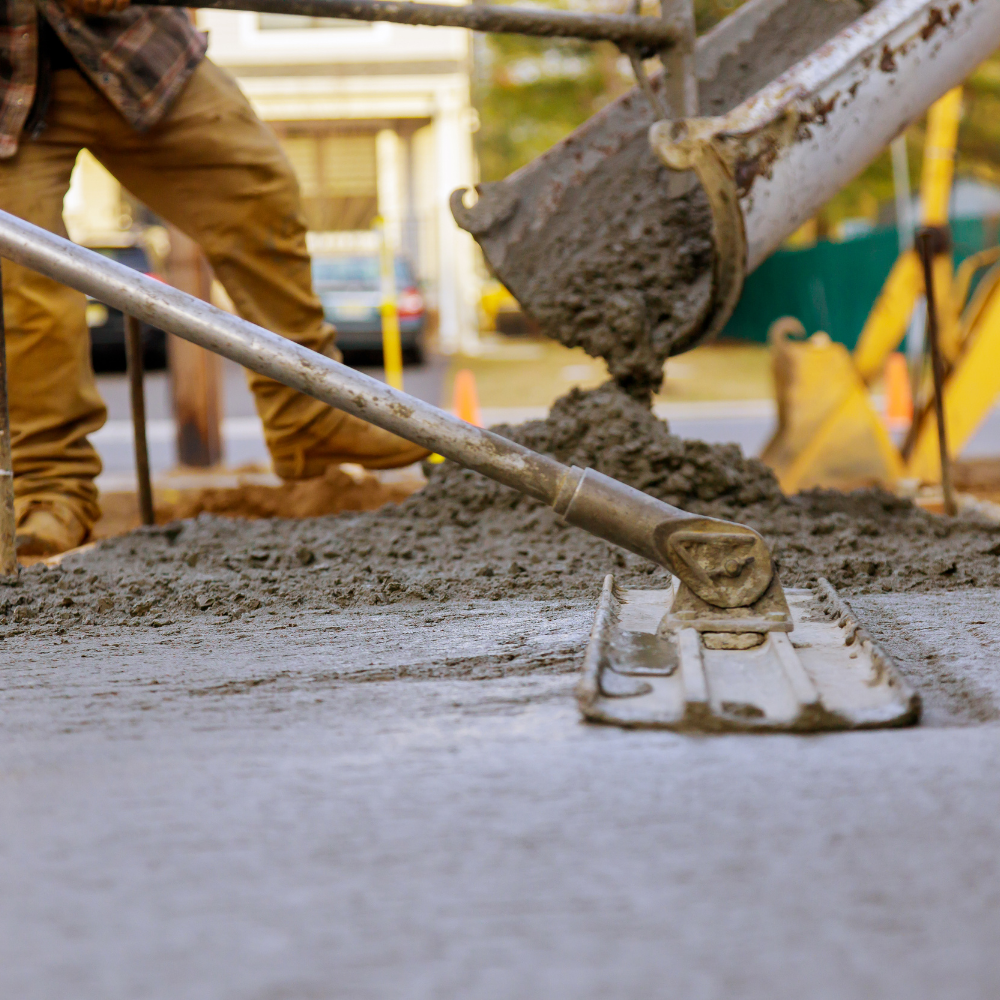
Slab Foundations: Flatness You Can Feel Underfoot
You can tell a lot about a property by the way it “behaves” after rain. In McKinney and across North Texas, we’ll often see signs that point back to the same root issue: the ground under the concrete wasn’t properly prepared, and water didn’t have a clear path away from the slab.
A homeowner calls because the floors feel a little “off”—not dramatic enough to panic, but noticeable. Maybe a door sticks after heavy storms, or a few interior tiles have started to lift at the corners. On the exterior, there’s sometimes a driveway edge that looks lower than it used to, or grading that directs runoff toward the foundation instead of away from it. When the problem starts underfoot, it’s rarely the finish work that’s failing first. It’s typically the slab foundation system—subgrade, base, compaction, vapor control (when needed), and drainage planning.
At TopCore Concrete, we build and repair slab foundations with one goal: give homeowners and business owners a flat, stable surface that stays that way.
Quick Answer
A solid slab foundation depends on more than pouring concrete. The “flatness you can feel underfoot” comes from correct site preparation, proper grading and drainage, and concrete slab installation practices that control soil moisture and support. If your home shows sticking doors, uneven floors, or widening cracks near exterior openings, it may be time for foundation repair or foundation leveling—not just cosmetic concrete patching.
What Property Owners Should Know
Concrete can be extremely durable—if the job is built like a system.
A slab foundation isn’t just a slab. It’s:
- Soil/subgrade preparation (removing unsuitable soils and stabilizing what remains)
- Base thickness and compaction to reduce settlement
- Moisture management so expanding and contracting clay soils don’t keep moving the slab
- Drainage and grading to keep water from pooling near foundation edges
- Concrete placement and finishing to reduce curling, shrinkage cracks, and surface irregularities
Firsthand contractor observation
One thing we notice repeatedly during slab foundation inspections is how often the slab itself looks “fine” while the site around it tells a different story. You’ll see spotty settlement where water collects, downspouts that dump too close to the foundation, or grading that slopes toward the structure. The slab may have been poured correctly, but if water keeps returning to the same spot, the soil can cycle—expanding and shrinking—until the concrete has no choice but to respond.
Slab Foundations Built for Flatness (Concrete + Sitework Together)
Flatness isn’t an aesthetic bonus. It’s functional. Floors, cabinets, tile, and interior finishes all rely on the slab being stable over time.
How we approach slab foundations
Our process generally includes:
1. Site evaluation and drainage mapping
- Where does runoff currently go?
- Where would it go after the new work?
- Are downspouts discharging too close to the foundation?
2. Foundation grading support
- We confirm slopes and ensure the site directs water away from the structure.
3. Subgrade preparation and compaction
- North Texas soils can be unpredictable, so we focus on removing problematic material and building a compacted base.
4. Concrete slab installation with structural awareness
- Reinforcement placement, curing practices, and formwork alignment matter more than many homeowners realize.
5. Moisture-conscious details
- Depending on your site conditions, we plan for vapor control and consistent moisture conditions so the slab isn’t constantly being “pushed and pulled” by the ground.
If you’re planning other exterior work around the home, slab planning should happen early. For example, if you’re also installing a patio or updating exterior walkways, the drainage relationship between each surface and the foundation matters.
If you’re considering upgrades that connect to the foundation footprint, you may also want to review patio installation planning: Concrete Patio Installation.
Why Some Concrete Installations Fail Early
Most early failures aren’t caused by the concrete mix. They’re caused by the conditions around it.
Here are the common drivers we see in North Texas:
- Water intrusion and persistent pooling near edges of the slab
- Insufficient base prep or poor compaction, leading to uneven settlement
- Soil expansion/contraction cycles from inconsistent moisture levels
- Placement without adequate curing and protection, allowing shrinkage and curling
- Grade changes after the pour, such as landscaping or added fill that redirects runoff toward the foundation
Real example (anonymized, typical North Texas scenario)
A commercial tenant in a growing McKinney area reported that a small storefront area felt “bouncy” and that door thresholds were getting tougher to open during humid months. The slab looked intact from a distance, but during our walkthrough we found water consistently pooling along the perimeter after storms. The base under the edge had minor settlement, and the moisture cycles were doing the rest. The fix wasn’t a surface patch—it included correcting the drainage/grading and addressing the slab’s support conditions so the floor could regain stability.
That’s the difference between “concrete repair” and “fixing what caused the concrete to move.”
Mistakes That Cause Drainage Problems
Drainage is where projects are won or lost, especially with clay soils. Below are the common mistakes property owners make—mistakes that can show up as cracks, uneven slabs, and recurring foundation repair needs.
What Property Owners Often Overlook
1. Assuming the slab will “hold” because the concrete is thick
- Thickness doesn’t compensate for poor soil preparation or chronic water issues.
2. Swapping landscaping without checking runoff
- Fresh topsoil, mulch beds, or added grade can quietly redirect water.
3. Downspouts that discharge too close to the foundation
- Even if the water doesn’t soak the basement (many homes don’t have one), it can still saturate the soil at the slab edge.
4. Focusing on the finish, not the base
- A smooth surface doesn’t mean the base is stable or properly compacted.
5. Ignoring retaining walls and their drainage
- Retaining walls hold soil in place, but they also create pressure and need proper drainage behind them. If water builds up behind a wall, it finds its way into surrounding areas—sometimes including foundation-adjacent soils.
If you have any grade changes on your property—especially near the home—consider whether retaining walls are part of the long-term plan: Retaining Walls.
Construction, Repair, or Maintenance: A Checklist That Actually Helps
Concrete longevity is about planning and upkeep. Here’s a practical checklist you can use before problems become expensive.
Concrete slab foundation planning & maintenance checklist
- Inspect after heavy rain
- Look for water pooling near foundation edges, cracks that widen, or soil that appears washed out.
- Check grading paths
- Yard slope should encourage water to move away from the home—not toward it.
- Verify downspouts and gutters
- Confirm they discharge to an appropriate distance with proper extensions.
- Watch door and window behavior
- Sticky doors after storms can be a sign of movement beneath the slab system.
- Look for crack patterns
- Hairline shrinkage cracks can be normal. But cracks that grow, shift, or appear near structural transitions need evaluation.
- Maintain expansion joints and sealed interfaces
- Concrete sealing isn’t magic, but keeping water out of joints and repaired areas helps reduce deterioration.
- Don’t cover drainage issues with landscaping
- If water is pooling, planting and mulch won’t solve the root cause.
Signs Concrete Needs Repair (and Not Just Cosmetic Work)
If you’re trying to decide whether you need foundation-level attention or a surface-only repair, these are the signs we take seriously.
Signs concrete or slab foundations may need professional evaluation
- Doors and windows stick or don’t close smoothly (especially after rainfall)
- Floors feel uneven, sloped, or noticeably different across rooms
- Cracks near exterior openings (doors, windows, corners) widen over time
- Separation along slab edges or around penetrations
- Repeated driveway or walkway settling at the same spots
- Water consistently pools near the foundation after storms
Foundation leveling vs. foundation repair
These terms get used interchangeably online, but in practice they’re different. Foundation repair addresses the underlying cause—often soil support and moisture management. Foundation leveling focuses on restoring elevation and stability when movement has already occurred. Many projects require both, depending on the severity and cause.
If your property is showing settlement symptoms, it’s worth evaluating the broader site conditions—not just the concrete surface.
Site Preparation Checklist (Before Any Slab Foundation or Flatwork Pour)
If you’re planning new work, this is the checklist we want every site to meet:
Site preparation checklist
- Confirm suitable subgrade exists (and remove unsuitable material if not)
- Establish proper base thickness and compaction targets
- Plan for vapor and moisture control where needed
- Set forms and alignment for true flatness
- Verify the drainage plan before concrete placement
- Ensure curing and protection methods match the conditions that day
For properties that need regrading or drainage adjustments before concrete work, foundation work and grading work should be coordinated. You can explore our approach to: Foundation Grading to see how we think about slopes, runoff paths, and long-term stability.
McKinney or North Texas Relevance: Clay Soil + Heavy Rain = Real Consequences
North Texas isn’t gentle on concrete foundations. Our expansive clay soils can expand when moisture increases and contract when the soil dries out. Add to that Texas summer heat, freeze-thaw isn’t the main driver here, but rain events and drying cycles are.
In McKinney, we commonly see new development and remodels where grading changes happen quickly—sometimes before long-term runoff patterns are fully understood. If water is directed toward foundation edges during landscaping or after construction, slab movement can start quietly and become obvious later through uneven floors and cracking.
We also see a pattern: the older the property, the more likely the drainage system has been altered over time—sometimes unintentionally. Gutters replaced, downspouts rerouted, flower beds added, or fill brought in. Each change can shift moisture where it shouldn’t be.
That’s why we emphasize drainage planning at the foundation stage, not as an afterthought.
Concrete vs. Asphalt Comparison (For Flatwork Around Foundations)
Many homeowners ask whether they should match concrete with asphalt for driveways or parking areas. Asphalt can look great initially, but it behaves differently under movement.
| Feature | Concrete | Asphalt |
|---|---|---|
| Long-term flatness | Excellent when base prep and drainage are correct | Can deform with temperature swings and subgrade movement |
| Crack behavior | Shrinkage/joint cracks are manageable with proper design | Cracks can spread and allow water infiltration |
| Maintenance | Sealing and joint upkeep; repairs can be targeted | Resurfacing often needed as it ages |
| Suitability near foundations | Strong option when grading is correct | Still needs solid base and drainage; movement can show up faster |
If you’re weighing driveway and parking options, it’s worth thinking in terms of the whole site—including how water moves. If your project includes or affects vehicle traffic surfaces, consider our guidance on: Driveways and related sitework planning.
Quick Guidance: Planning for Vehicle Areas and Flatwork
A lot of slab foundation issues don’t stay isolated. A driveway that settles could be a sign the subgrade is changing across the property. A parking area that drains poorly can push water toward nearby building edges.
If you’re managing commercial traffic surfaces, we can help coordinate flatwork and site prep for long-term performance. For example, when properties need parking lot paving solutions, we recommend reviewing: Parking Lots.
And for properties that are looking at alternate surfacing or staged improvements, it’s also helpful to consider gravel driveway systems and how they impact drainage: Gravel Driveway.
Ready to Improve Your Property With Durable Concrete Solutions?
If your goal is flatness you can feel underfoot, start by addressing what’s happening under the concrete—especially drainage and foundation grading. The best time to solve these issues is before you pour or expand any slab-related work.
About TopCore Concrete
TopCore Concrete provides slab foundations, retaining walls, patios, grading, parking lots, sidewalks, and concrete flatwork services throughout McKinney, TX and surrounding North Texas communities. We focus on durable construction, proper site preparation, long-term structural performance, and helping homeowners and businesses improve their properties through professional concrete and grading solutions.
McKinney-Specific FAQ
What causes slab floors to feel uneven in North Texas?
Uneven floors are often tied to subgrade issues and moisture movement in expansive clay soils. If water pools near foundation edges or grading directs runoff toward the home, the soil can expand and contract over time. You may notice doors sticking after storms, tile corners lifting, or cracks that change gradually. A professional evaluation usually checks drainage paths, base support, and crack patterns—not just the visible concrete surface.
How do I know if I need foundation repair or just concrete repair?
If cracks are associated with movement—such as doors/windows sticking, cracks widening over time, or repeated settlement at foundation-adjacent areas—you likely need foundation repair. Concrete repair is often appropriate when the slab surface is failing but the underlying support and drainage are stable. The key is identifying the cause: moisture, soil support, or structural movement.
Can patio installation affect my slab foundation?
Yes. Patios and walkways can influence how water drains around your home. If a patio is installed with improper slope or directs runoff toward the foundation, it can increase moisture at the slab edge. Good patio installation includes site preparation and drainage planning so the new concrete works with your foundation system, not against it.
Why do driveway repairs keep coming back?
If a driveway settles, cracks repeatedly, or returns to the same trouble spots, the issue is usually base prep, compaction, and drainage—not just the concrete surface. Water infiltration and soil movement can keep undermining the slab or base. A long-term fix often requires correcting site preparation and grading before reinstalling the concrete.
How important is foundation grading before concrete work?
Foundation grading is critical. Correct grading controls where runoff goes during Texas rain events and helps prevent moisture from building near foundation edges. When grading is wrong, concrete may crack or settle prematurely even if the pour is done neatly. Coordinating grading and drainage before slab foundation or related flatwork installation is the difference between a one-time repair and a recurring problem.