
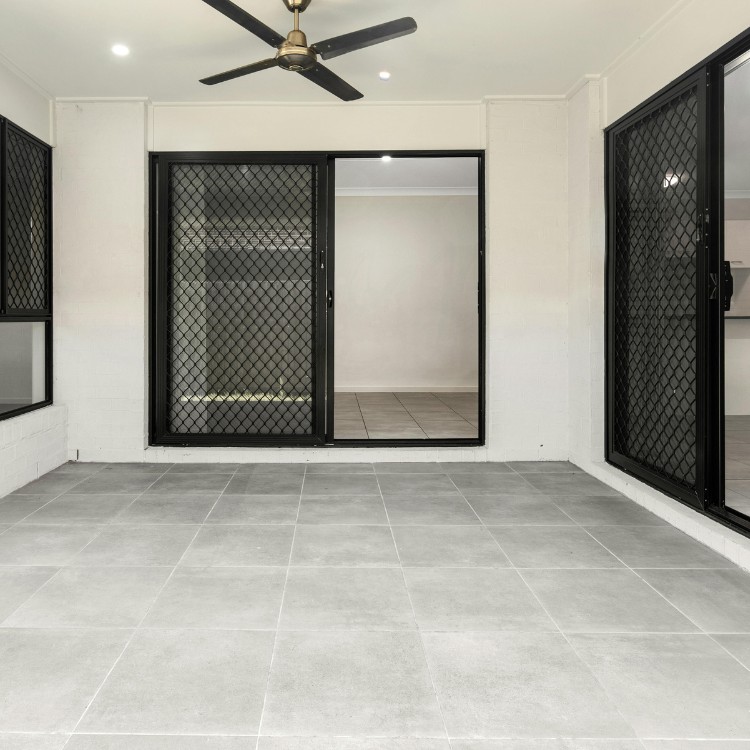
Patio Installation Planning for Sun, Shade, Flow
A patio can look perfect the day it’s poured—then a few heavy rains later, you notice water pooling near the door, the surface feels slightly uneven, and your furniture keeps “migrating” as puddles form and dry out. In North Texas, that cycle can happen fast because our soils don’t stay still and our summer storms are intense. If you’re planning a new patio in McKinney, TX, the real question isn’t just what finish you want—it’s how you’ll manage sun, shade, and water flow so the slab stays stable and comfortable for years.
Quick Answer
A long-lasting patio installation starts with three planning steps:
1) Grade and drainage so water moves away from your home (not toward it).
2) Site preparation and base design so the slab doesn’t settle on expanding/clay soils.
3) Layout for sun and daily use so the patio stays comfortable and connects cleanly to your doors, paths, and landscaping.
When these are handled correctly, you get a patio that resists cracking, reduces trip hazards, and stays inviting through North Texas heat and weather.
Patio planning starts before concrete goes down
The best patios aren’t “just slabs.” They’re part of a sitework system: grading, base prep, drainage, and the route water naturally takes across your property.
Sun and shade: design it like you’ll live there
Before you pick a color or decide on stamped concrete, watch how your yard behaves across the day:
- Morning sun: Great for coffee-and-birdwatching zones, but it can fade certain finishes.
- Midday heat: A full-sun patio can become a heat trap in July and August. Plan for shade with a pergola, umbrella space, or strategic placement near existing trees.
- Evening comfort: Many homeowners want the patio to catch the breeze and avoid late-day glare.
Contractor insight: We often see patios placed exactly where it “looks good” from the street, but that doesn’t match how shade actually moves across the backyard. A small shift—sometimes just a few feet—can change comfort dramatically without adding complexity.
Flow: how people and water move
Think of your patio in two directions:
- Human flow: Where do you walk with groceries, kids, or grill tools? The patio should connect smoothly to the door, steps, and pathways.
- Water flow: Water always finds the low spot. If the patio is flatter than the surrounding grade—or if the slope is wrong—you’ll get recurring puddles, staining, and accelerated wear.
Site preparation and base choices matter more than the finish
A patio’s surface finish gets the attention, but the durability comes from what’s underneath: proper site preparation, correct thickness, and a stable base.
What we typically check on site
When we plan a concrete patio installation, we look at:
- Existing soil condition (especially clay content and softness after rain)
- Yard drainage patterns and where runoff travels during storms
- Base thickness and compaction potential
- Water management near downspouts and irrigation lines
- Clearances for doors, steps, and any adjoining concrete flatwork
If you’re also dealing with other flatwork, coordinating elevations helps avoid lips and trip points. For example, if you’re tying into concrete walkway and concrete side walk installation near the patio area, we’ll align slopes so water doesn’t get redirected into the patio surface.
A realistic North Texas scenario we see often
One common situation: a homeowner wants a patio “right outside the kitchen door.” The yard looks level on a sunny day, so the plan seems simple. After a heavy rain, we find water backing up from a slight low area and collecting toward the foundation line. That patio becomes the new “catch basin” because the slab is placed without the right drainage fall and base stabilization.
In that case, the fix isn’t cosmetic. It’s grading and base prep. Sometimes we also adjust the connection point so water can flow around the slab instead of over it.
What Property Owners Often Overlook
Mistakes that cause drainage problems
Here are the issues we see most frequently when patios fail early (or never perform as expected):
1) Slab placed too flat
- Even a small lack of slope can create persistent damp zones and staining.
2) Water redirected toward the home
- Gutters and downspouts often get overlooked during patio planning.
3) No plan for subgrade stability
- In areas with expansive clay soils, weak or poorly compacted base can lead to settlement and surface cracking.
4) Forgetting about edges and transitions
- If the patio meets turf, flower beds, or steps without a controlled transition, water collects at the seam.
Common mistake property owners make
They focus on the look first, then treat grading as “something we’ll fix later.”
In reality, once concrete is poured, correcting drainage usually means removing and rebuilding portions of the patio or adjusting adjacent flatwork. We’d rather handle grading and water pathways before any formwork goes up.
When sun placement creates performance problems
Sun planning isn’t just comfort—it can affect maintenance and finish appearance:
- A patio in full afternoon sun often shows surface wear sooner.
- If you choose a finish that’s sensitive to fading or staining, planning shade placement helps protect your investment.
Why some patio installations fail early (and how to prevent it)
Concrete is durable, but it’s not magic. In North Texas, the main enemies are movement (soil expansion/contraction) and water (where it goes and how long it stays).
The contractor reality: where cracks usually start
From experience, cracking tends to show up where one of these happens:
- The base wasn’t uniform (soft spots under part of the slab)
- The patio edges settled differently than the center
- Water stayed trapped under or adjacent to the slab
- Jointing and detailing didn’t match the slab’s size and shape
Even if the finish looks great, a slab that “works” against the movement pattern of the soil will telegraph that movement as hairline cracks or unevenness.
Recommended planning approach
A solid patio plan usually includes:
- Site preparation: remove unsuitable material, manage moisture conditions, and prepare a stable base
- Base design: compacted layers that match your patio footprint and local soil conditions
- Controlled slope: away from the home and toward safe drainage paths
- Details for transitions: where the patio meets steps, walks, or landscaping
- Surface protection: sealing and maintenance planning based on your finish type
If your property also needs foundation-level corrections (sometimes needed before major exterior work), it can tie into your patio plan. If you’re dealing with shifts or drainage near the foundation, start with foundation grading support so exterior water management matches the condition of the foundation.
Construction, repair, and maintenance checklist
Think of patio longevity as three phases: planning, installation, and ownership.
Construction planning checklist (before the pour)
- Confirm patio dimensions and layout based on sun/shade use
- Identify the water pathway during heavy rain (yard observations + downspout locations)
- Decide how the patio connects to:
- the door area
- any concrete steps
- nearby paths or sidewalks
- Plan for base prep and compaction access
- Verify slope away from the house and safe drainage endpoints
- Choose finish and color with maintenance in mind
Maintenance checklist (after installation)
- Keep gutters/downspouts directed away from the patio surface and foundation line
- Sweep debris regularly to prevent organic staining
- Use a pH-neutral cleaner for routine washdowns
- Re-seal based on exposure (sun, traffic, and staining risk)
- Watch for early issues:
- small edge settling
- persistent damp corners
- new cracks that widen after rain
If you already have a patio that’s struggling
Sometimes the best plan isn’t a full replacement. Depending on the condition, you may need targeted patio installation solutions that include leveling, repairs, or replacement of the affected sections—paired with correct drainage adjustments.
If the issue is broader property drainage and sitework, it may connect to other exterior work like slab foundations or retaining walls, especially where water is being held back or redirected.
A quick example case: “Sun deck” with a drainage catch
Here’s a realistic anonymized case we’ve seen in North Texas:
A family built a small “sun deck” patio near a backyard door to catch morning light. After two summer storms, they noticed:
- muddy runoff staining along one patio edge
- persistent dampness near the door threshold
- hairline cracking that seemed to grow after rain
When we checked the site, the patio area sat in a subtle low spot created by the surrounding grade and landscaping. The surface was installed too close to level, and water didn’t have a consistent escape route.
The solution included reworking the grading around the slab, correcting slope, and improving base preparation for uniform support. Once water moved away from the patio and the slab had a stable base, the cracking slowed significantly and the damp edge stopped returning.
That’s the difference between a patio that’s “pretty” and one that’s built to perform.
McKinney and North Texas relevance: clay soil + storm cycles
McKinney sits in a region where expansive clay soils can expand and contract with moisture changes. Add North Texas weather patterns—intense rainfall, fast drying, then heat—and you get a cycle that stresses any exterior concrete system that wasn’t planned for water control.
That’s why we treat patios as part of the overall site drainage plan, not a standalone upgrade.
If your patio is near other exterior improvements—driveways, parking areas, sidewalks, or curb transitions—the grading strategy should be consistent. For example, if you’re also planning concrete driveway installation or considering driveway replacement, the same water management principles apply. Poor base prep and mismatched slopes can move problems from one area to another.
Concrete vs Asphalt Comparison (for patio-adjacent areas)
Many properties mix patio concrete with asphalt driveways or parking areas. If you’re coordinating both, here’s a practical comparison:
| Feature | Concrete patio (flatwork) | Asphalt driveway / parking lots |
|---|---|---|
| Typical look | Crisp, customizable finishes (including stamped options) | Dark, smooth surface; limited pattern options |
| Water behavior | Depends heavily on grading and slope; manageable with proper design | Needs good base and drainage; can soften or rut if base is weak |
| Longevity | Often long-lasting with correct prep + sealing | Can last many years but requires maintenance and resurfacing |
| Cracking risk | Can crack if base/drainage are wrong | Can rut, crack, and oxidize over time |
| Best use | Door connections, walkways, outdoor living | Drive access, parking, higher-vehicle wear zones |
If your project includes larger paved areas, it may involve parking lot paving assistance and—where applicable—striping and drainage planning so water doesn’t undermine the base.
Signs you may need repair or a planning redo
Even well-built patios can age. But some signs suggest the original drainage or base prep wasn’t right:
Signs concrete needs repair
- Puddles that return after rain
- Cracks that appear quickly after storms
- Uneven sections that create tripping hazards
- Persistent staining at edges
- Surface scaling or sections breaking down faster than the rest
If you’re unsure whether you need cosmetic repair, releveling, or a rebuild, a site inspection is usually the fastest way to separate finish issues from drainage and base issues.
Ready to Improve Your Property With Durable Concrete Solutions?
If you want a patio that stays comfortable in the sun, inviting in the shade, and reliable through North Texas storms, the best time to plan is before the forms go up. We’ll help you map drainage, confirm elevations, and build a stable concrete system designed for long-term performance.
About TopCore Concrete
TopCore Concrete provides slab foundations, retaining walls, patios, grading, parking lots, sidewalks, and concrete flatwork services throughout McKinney, TX and surrounding North Texas communities. We focus on durable construction, proper site preparation, and long-term structural performance—so homeowners and businesses can improve their properties with confidence.
FAQ
How much slope does a patio need in North Texas?
Most patios should be built with a controlled slope so water moves away from the home. The exact amount depends on patio size, nearby grades, and connection points (doors, steps, and walkways). We typically design the slope to prevent pooling at edges and to route water safely to the yard’s drainage path. If you skip this planning, you can end up with recurring damp areas and accelerated surface wear even if the finish looks fine.
Can I install a patio directly over existing concrete?
Sometimes, but it’s not automatic. If the existing slab is still solid and properly supported, a solution may be possible. However, if there’s settlement, cracking from movement, or drainage issues causing water to collect, installing on top can lock in the problem. In many cases, removing and rebuilding with corrected grading and base prep provides a more reliable long-term outcome.
What’s the biggest reason patio concrete cracks?
The most common reasons are inadequate base preparation and incorrect drainage. Expansive clay soils in North Texas can cause movement when moisture conditions change. If the base isn’t stable or the patio doesn’t shed water properly, cracks tend to show up sooner and can worsen after storm cycles. Finish and color matter visually, but grading and support determine performance.
Should I seal a stamped concrete patio?
Sealing is usually recommended for stamped concrete because it helps protect the surface from staining and moisture intrusion. The right sealer and timing depend on your finish, exposure, and how much traffic the patio receives. A good sealing plan paired with cleaning and basic maintenance can significantly improve how the patio holds up in sun and weather.
Do I need foundation grading before installing a patio?
Not always, but if you’ve noticed foundation-related symptoms—like uneven floors, persistent exterior dampness near the foundation, or ongoing water pooling—then addressing grading and drainage first can prevent repeating the same problems. A coordinated approach helps ensure the patio supports the broader drainage system rather than fighting it.