
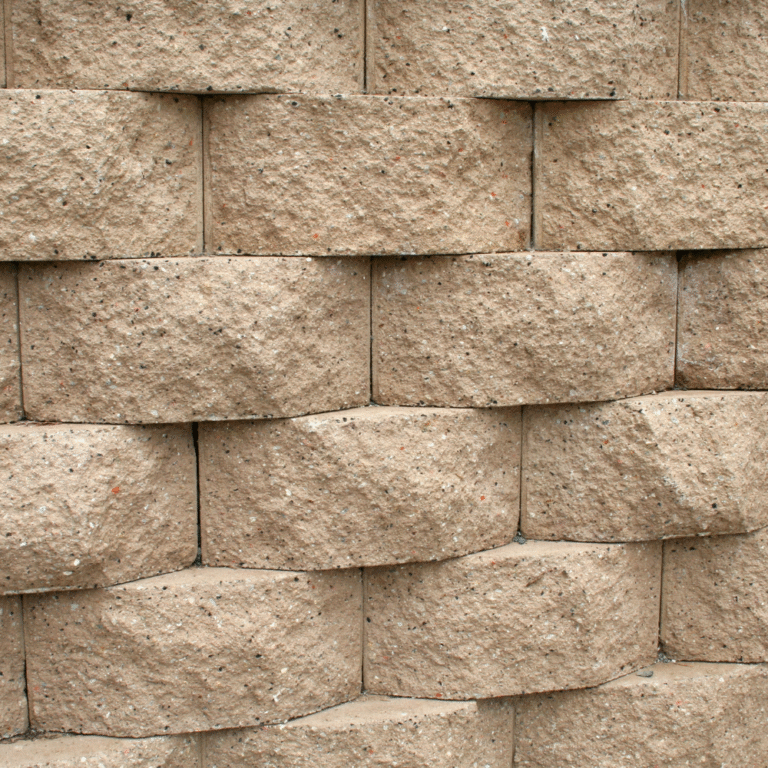
Retaining Walls Designed to Protect Sloped Landscapes
If you’ve ever watched a yard “creep” after a heavy North Texas storm—soil washing out, mulch disappearing down the slope, or a patio edge slowly pulling away—you’ve seen the problem retaining walls are meant to solve. In McKinney and the surrounding area, slopes aren’t just an aesthetic choice. They directly affect drainage, soil pressure, and how long concrete flatwork and foundations stay stable.
We regularly get calls from homeowners who notice sidewalk sections lifting, a driveway apron settling near a yard cut, or a section of foundation that suddenly seems “out of level.” Often, the culprit isn’t the concrete itself—it’s what’s happening behind it: water pressure, unstable soils, and a lack of proper drainage layers behind the wall.
Retaining walls aren’t “just masonry.” Done correctly, they protect the landscape and keep water and soil where they belong—so your concrete, grading, and structures don’t pay the price.
Quick Answer
A properly designed retaining wall protects sloped landscapes by resisting lateral soil pressure and controlling water behind the wall. The key to long-term performance is not just the wall material—it’s the base prep, reinforcement (when needed), and especially drainage (a gravel backfill and weep/relief system). In North Texas clay and during intense rain events, poor drainage is one of the fastest ways to cause wall movement, soil erosion, and damage to nearby concrete.
What Retaining Walls Should Do (Beyond Holding Back Dirt)
A retaining wall has two jobs:
1. Resist lateral pressure from soil trying to move downhill.
2. Manage water so the soil behind the wall doesn’t build up hydrostatic pressure.
That second job is where many projects fail early.
In McKinney, we see soils that can be moisture-sensitive—clays expand and contract, and intense rainfall can saturate subgrades quickly. When water can’t escape behind a wall, it increases pressure against the face. The result is often subtle at first: small cracks in the wall, “bowing,” or a softening area near the base. Over time, that can translate into settlement that affects nearby concrete flatwork, including concrete walkways and driveways.
A good wall design treats drainage as part of the structure, not an afterthought.
What Property Owners Often Overlook
Most homeowners focus on the visible wall—block height, cap style, or a clean finish line. That’s understandable. But the performance of the wall is determined by what you can’t easily see:
- Compaction behind the wall: Backfill must be compacted in lifts. Skipping or rushing compaction creates voids that later settle.
- Drainage layers: Without washed gravel backfill and a proper drainage outlet, water pressure builds behind the wall.
- Base preparation: If the foundation for the wall isn’t built on competent soil and compacted base, the wall can shift.
- Tie-in to grading: A wall that holds soil but doesn’t match the surrounding slopes can still funnel water toward foundations or concrete edges.
A realistic scenario we see in North Texas
A common example: a homeowner installs a retaining block wall to “fix” a hillside near a new patio. The wall looks great on day one. But the contractor used general dirt as backfill and didn’t include a drainage system. After the next strong storm, water trapped behind the wall saturates the backfill. Within months, the patio edge begins to settle unevenly—usually first on the side nearest the slope cut. The homeowner assumes the patio concrete “failed,” but the root cause is the drainage behind the wall.
That’s why retaining walls and concrete planning should be treated as one system.
Why Some Concrete Installations Fail Early
Retaining walls and concrete flatwork fail for the same reason: movement in the ground plane.
Even well-finished concrete can’t stay perfect if the subgrade is unstable or if water is constantly changing the soil’s moisture condition. When a wall is built without appropriate drainage, the area behind it can become a “water reservoir,” and that often leads to:
- Settlement near the wall face
- Erosion at the base
- Cracking in adjacent flatwork
- Tripping hazards from uneven sidewalk elevations
- Premature wear in driveway edges
If your property is already showing symptoms—like cracks that appear after rain, doors/stuck thresholds that seem worse during wet seasons, or concrete edges that repeatedly “lift”—it’s worth evaluating the grading and drainage layout before you invest in resurfacing or replacement.
Common Mistakes Property Owners Make
Here are the mistakes we commonly see in retaining wall projects that later create drainage and concrete problems:
1) Using the wrong backfill
Backfill should generally be a drainage-friendly material (often washed gravel) so water can flow through instead of building pressure. Using clay or fine soil backfill may look “solid,” but it traps water.
2) Skipping drainage outlets or weep pathways
Even the best wall face can’t resist hydrostatic pressure without a path for water to escape. A proper drainage layer and outlet system are what keep pressure from accumulating.
3) Building on poorly prepared base
If the wall base isn’t excavated, leveled, and compacted correctly, the wall can settle unevenly. That settlement often shows up later as leaning, gaps, or bulging.
4) Treating retaining walls as standalone projects
In real properties, retaining walls interact with everything around them: patios, sidewalks, driveways, and foundation grading. We’ve seen walls built without coordinating the grade transitions, which results in water running toward structures instead of away from them.
5) Waiting too long to address drainage
If you already have soil washing, pooling, or repetitive erosion after storms, delaying repairs usually costs more later—because water has already weakened the soil and moved fines into places they shouldn’t be.
McKinney or North Texas Soil Conditions That Matter
North Texas weather swings are a real factor in wall performance. In McKinney, you’re dealing with:
- Expansive clay behavior that responds to moisture changes
- Intense rainfall events that saturate subgrades quickly
- Seasonal freeze-thaw doesn’t drive the issue, but wet/dry cycles absolutely do
Those wet/dry cycles can cause soil to swell and then shrink. If a retaining wall’s backfill and drainage aren’t designed to handle that moisture movement, the wall may shift slightly over time. The shift might be small, but enough to disturb nearby concrete slabs and edges.
If your wall is near a driveway, patio, or concrete slab installation area, that interaction becomes even more important. The goal isn’t just a stable wall—it’s a stable site.
Construction, Repair, or Maintenance Checklist
A retaining wall is built to last, but it still needs the right long-term maintenance habits—especially in active slopes.
Concrete and site maintenance checklist (practical steps)
- Inspect after heavy rain: look for new damp spots, soft ground, or erosion at the base.
- Check for blocked drainage: leaves, mulch, and debris can clog outlets and reduce flow.
- Repair minor surface issues early: small cracks or gaps can become larger if water pathways stay active.
- Maintain vegetation thoughtfully: deep-rooted plants close to the wall can create channels for water infiltration.
- Keep runoff directed away: ensure downspouts and grading send water away from the wall and toward approved drainage areas.
A quick planning recommendation
Before any wall construction, we recommend a clear grading plan that answers:
- Where does stormwater go after it hits the site?
- What’s the slope direction around the wall?
- How do you protect nearby concrete edges during and after construction?
That’s also why we often work alongside grading-focused projects like foundation grading support when a wall ties into foundation drainage and slope correction.
Example Project Case (Anonymized)
Here’s a realistic case we handled in North Texas without naming the client:
A property owner had a sloped backyard and an existing patio that began settling on one corner after summer storms. The area uphill from the patio had a small retaining wall that appeared stable on the surface, but the soil behind it was breaking down. During inspection, we found evidence of trapped moisture and inconsistent backfill compaction.
What we recommended was a coordinated approach:
- Rebuild the retaining wall with drainage-friendly backfill
- Correct the base prep and compaction in lifts
- Rework the grade transitions so water wouldn’t route toward the patio edge
- Plan the patio elevation relative to the corrected slope
After drainage improvements and the regrading work, the patio performance stabilized. The concrete didn’t “heal itself”—the site conditions changed. That’s the difference between treating symptoms and fixing the system.
Grading and Foundation Recommendations That Go Hand-in-Hand
A retaining wall often works best when paired with proper site grading and foundation protection. If your slope affects a home’s drainage pattern, you may need more than the wall itself.
Depending on the site, we may recommend:
- Adjusting grade lines so runoff moves away from the structure
- Ensuring downspouts discharge into approved drainage routes
- Addressing settlement concerns near structural areas through slab foundations planning and evaluation when movement is suspected
If your primary concern is a sloped landscape that’s already impacting structural stability, the wall design should be reviewed alongside foundation grading and any needed foundation repair planning.
For homeowners who want the wall and the concrete around it to perform together, we also coordinate well with our retaining wall construction services to keep alignment, drainage, and transitions consistent.
Quick Comparison: Retaining Wall Options (What Changes Performance)
Different wall systems can work, but performance depends on design and drainage quality—not just the material.
| Wall Approach | Typical Use | Biggest Performance Factor |
|---|---|---|
| Segmental block walls | Modern residential slopes | Backfill + drainage layer |
| Stone or timber-style walls | Smaller/older slopes | Drainage outlets and base prep |
| Reinforced/engineered systems | Larger height/complex sites | Structural reinforcement + drainage control |
For most properties with active drainage concerns, the “best” system is the one designed around how water will move through the soil behind the wall.
Why It’s Often Worth Pairing With Other Concrete Projects
Retaining walls change how water runs and where the ground settles. If you’re already improving a slope, it can be smart to address other concrete elements at the same time for a clean long-term result.
Common pairings include:
- Patio edges and transitions (so the slab stays supported)
- Walkways that won’t become tripping hazards due to settlement
- Driveway apron work where slopes meet paved surfaces
If you’re planning a backyard or patio upgrade after wall correction, you may want to look at concrete patio planning so the patio elevation and drainage tie-in are done correctly from the start.
And if the retaining wall impacts vehicle access or the edge of a driveway section, we’ll coordinate transitions with concrete driveway installation solutions or, when appropriate, a driveway repair plan.
Site Preparation Checklist (Before Any Wall or Concrete Work)
This is the checklist we use to keep projects from drifting into avoidable problems:
- Confirm wall height requirements and slope pressure expectations
- Evaluate existing soils for moisture sensitivity and stability
- Mark drainage flow paths and planned outlets before excavation
- Excavate to competent base and verify line/grade
- Use correct base material and compact in lifts
- Install drainage-friendly backfill (not generic dirt) behind the wall
- Plan tie-ins to patio/walkway/driveway elevations
- Protect finished surfaces during curing and after rain events
This is also a good time to coordinate with any related work like site preparation expertise (especially if the slope has been disturbed by prior grading or utility work).
Signs You May Need Retaining Wall Repair or a Redesign
If you’re unsure whether your wall needs attention, look for these warning signs:
- Cracks that appear or widen after storms
- Soil bulging or slumping near the base
- Water pooling behind the wall area
- Erosion channels forming at the wall toe
- Concrete settlement near the wall (patios, sidewalks, driveway edges)
- Ongoing dampness that returns after rainfall
When those show up, it usually indicates drainage issues, backfill problems, or base instability—fixes that can’t be solved with surface-level patching alone.
Concrete Maintenance Planning for the Long Run
Once the wall and nearby concrete are stable, maintenance becomes simpler. Focus on keeping water moving the right way:
- Keep grade lines clear so water doesn’t pond near the wall
- Remove debris from drainage outlets
- Seal concrete when recommended for your exposure conditions
- Repair small concrete issues early to prevent water intrusion
If your driveway or flatwork is already showing wear, you may also need to plan for broader improvements like driveway replacement or targeted concrete work depending on the condition of the base and edges.
Why Retaining Walls Matter for Concrete Longevity in McKinney
Retaining walls don’t just protect landscapes—they protect the investments you’ve made in your property. In McKinney, where new construction and renovations keep expanding over varied terrain, the drainage patterns established early often determine whether concrete stays level for years or becomes a maintenance cycle.
When a wall is built with correct drainage and grading coordination, you reduce the “movement variables” that cause cracked edges, uneven sidewalks, and settling patios. That’s the difference between a project that looks great during install and one that performs through seasons.
FAQ
How do I know if my retaining wall problem is drainage or structural?
If the wall looks worse after heavy rain, or you notice damp soil behind it, drainage is usually the primary issue. Structural problems can still exist, but water pressure trapped behind the wall is one of the most common causes of movement. A proper inspection should check the backfill condition, drainage pathways, and whether outlets are functioning.
Can a retaining wall cause my patio or sidewalk to crack?
Yes. If the soil behind the wall becomes saturated or the backfill settles, it can cause uneven support near the concrete edge. The concrete may crack or settle even if it was installed correctly, because the ground conditions changed after the wall was built.
What’s the biggest mistake homeowners make with retaining walls?
Using the wrong backfill or skipping drainage layers is the most common mistake we see. It’s not always obvious during construction, but it shows up later as bulging, cracks, and recurring settlement after storms.
Should I rebuild the wall or just repair the concrete?
If concrete is settling because the wall drainage/backfill is failing, repairing the concrete alone usually doesn’t solve the cause. The right approach is to address the site system first—wall drainage and grading—then rebuild or repair concrete once the ground conditions are stable.
Do I need engineered plans for every retaining wall?
Not every wall requires engineering, but the height, soil conditions, and proximity to structures can change the requirements. If you’re dealing with significant height, complex slopes, or impacts near a foundation or driveway, a professional evaluation is the safest path.
Ready to Improve Your Property With Durable Concrete Solutions?
Retaining walls are where grading, drainage, and concrete performance meet. If your slopes are creating water problems or threatening nearby patios, walkways, or driveways, it’s worth addressing the system—not just the surface.
About TopCore Concrete
TopCore Concrete provides slab foundations, retaining walls, patios, grading, parking lots, sidewalks, and other concrete flatwork services throughout McKinney, TX and surrounding North Texas communities. The company focuses on durable construction, proper site preparation, long-term structural performance, and helping homeowners and businesses improve their properties through reliable concrete and drainage solutions.