
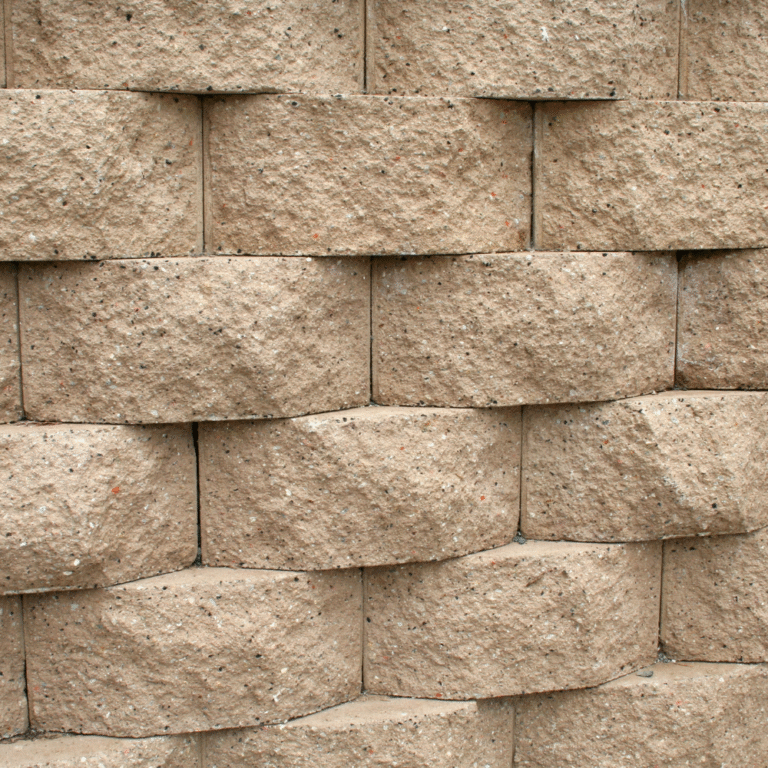
Retaining Walls That Blend In and Hold Firm
A heavy North Texas rain can turn a gently sloped McKinney backyard into a small river in a matter of minutes. If your property sits on one of our many rolling lots, you’ve probably seen soil washing away, standing water near your foundation, or cracked pavement where the ground keeps shifting. That’s not just a cosmetic issue—it’s a structural one.
Across Collin County, cities are spending millions on erosion and drainage improvements every year. Homeowners and businesses feel the same pressure on a smaller scale: protect the property, keep outdoor spaces usable, and avoid costly structural repairs. A well‑designed retaining wall is one of the most effective tools you have to control soil, manage water, and shape attractive, functional spaces.
This guide walks through how retaining walls can both blend into your landscape and hold firm for the long haul. You’ll see how design, engineering, drainage, and quality concrete work together; what smart grading and Concrete Foundations have to do with wall performance; and how to choose a contractor who understands McKinney’s soils and weather.
Key Insight: A retaining wall is only as strong as the planning behind it—grading, drainage, and foundation work matter just as much as the visible face of the wall.
More Than a Wall: How Retaining Structures Protect Your Property
Retaining walls do far more than hold back dirt. On McKinney properties, they often play three roles at once: structural support, drainage control, and landscape design.
Structurally, a retaining wall resists the lateral pressure of soil, especially when that soil is saturated after a storm. Poorly built walls bow, crack, or lean within a few years. Properly engineered walls are tied into the ground, supported by a stable base, and integrated with surrounding Concrete Slab Installation or flatwork so everything moves together.
A recent project near Stonebridge Ranch is a good example. The homeowner had a rotting timber wall that was tilting toward the house. Every storm sent more soil toward their patio. TopCore replaced it with a reinforced concrete block wall, added proper drainage, and tied it into a new Concrete Patio Installation. The result: a clean, terraced backyard that now channels water safely away from the home.
“A retaining wall is a structural system, not just a row of blocks.” — Senior Project Manager, TopCore Concrete
Functionally, a wall can:
- Create level areas on sloped lots for seating, play, or parking
- Protect Driveways, Sidewalks, and patios from erosion
- Keep soil and mulch where it belongs instead of washing into walkways
Aesthetically, today’s materials and finishes allow walls to look like natural stone, clean modern concrete, or rustic block—whatever suits your McKinney neighborhood and HOA guidelines.
Blending In: Design Choices That Complement Your Landscape
A retaining wall that looks like an afterthought can drag down your curb appeal. One that’s designed as part of an overall plan can feel like it’s always been there. The key is matching height, materials, and layout to your existing structures.
In many McKinney subdivisions, you’ll see a mix of brick homes, concrete flatwork, and decorative fencing. A good design ties your wall into this context. For example, we recently worked on a property off Virginia Parkway where the backyard dropped sharply toward a greenbelt. The owners wanted a larger patio, room for a grill station, and better access to their lower lawn.
We:
- Extended their entertaining area with a stamped Stamped Concrete Patios finish that echoed their brick and trim colors
- Built a tiered retaining wall system instead of one tall wall, softening the visual impact
- Integrated wide concrete steps between levels, using Concrete Steps Installation techniques for a safe, solid transition
The result was a functional outdoor living space that looks like part of the original build.
You can customize walls through:
- Texture and finish – smooth, brushed, exposed aggregate, or stone‑faced veneers
- Color – integral color in the concrete or stained finishes to match roof and brick tones
- Layout – curves, terracing, and integrated seating walls
“Form and function should be designed together. The best retaining walls disappear into the landscape while doing serious structural work.” — Lead Designer, TopCore Concrete
Thoughtful design also includes how the wall connects to Concrete Walkways, stairs, and other hardscape so guests naturally move through the space.
CALLOUT: A well‑designed wall can actually increase usable square footage outdoors—often at a fraction of the cost per square foot of building an addition.
The Hidden Foundation: Grading, Drainage, and Soil Preparation
What you don’t see behind a retaining wall is what keeps it standing. In North Texas, expansive clay soils and intense downpours make preparation and drainage especially critical.
Before a single block or form is set, a good contractor evaluates:
- Existing slopes and low spots
- Where water currently flows and collects
- Soil type and bearing capacity
- Nearby structures like Concrete Foundations, pools, and fences
On a commercial project near Historic Downtown McKinney, a small parking area kept flooding, undermining both the asphalt and a short garden wall. Our team provided Land Grading Services to re‑shape the site, installed a new retaining wall with proper backfill and drain lines, and tied the new grades into the existing Parking Lots pavement. After one storm season, the owner reported no standing water and no new cracking.
Here’s how traditional “quick fix” approaches compare to modern best practices:
| Approach | Traditional Minimal Prep | Modern Engineered Prep in McKinney |
|---|---|---|
| Excavation | Shallow trench only | Proper depth based on wall height |
| Base | Thin gravel or compacted soil | Thick, compacted aggregate base |
| Backfill | Native soil thrown back in | Free‑draining aggregate with filter |
| Drainage | None or a few weep holes | Continuous perforated drain pipe |
| Soil Consideration | Little attention to clay movement | Designed for expansive North Texas clay |
Proper site preparation also protects nearby structures. Smart Foundation Grading ensures water flows away from your home or building, reducing the risk of future Foundation Repair or Foundation Leveling needs.
Retaining Walls and Your Hardscape: Patios, Driveways, and Walkways
Retaining walls rarely stand alone. They usually interface with patios, steps, Concrete Driveway Installation, or Concrete Sidewalk Installation. When these elements are planned together, you get a cohesive, durable outdoor environment.
On a sloped corner lot in west McKinney, a homeowner struggled with a steep driveway and eroding side yard. We designed a solution that combined:
- A new, gently sloped driveway with integrated Driveway Replacement
- A low retaining wall along the side yard to hold soil and protect the new pavement
- A concrete walkway and steps that created safe access from street to front door
By tying the wall footing and the driveway edge into a unified system, we reduced the chance of separation and cracking where the two meet.
Commercial properties see similar benefits. A small business near US‑75 needed more customer parking but had a grade drop at the back of the lot. By using a retaining wall to create a level pad and installing new Parking Lot Paving, they gained several spaces without encroaching on neighboring properties. Fresh Parking Lot Striping and Concrete Curb Installation helped control traffic and protect landscaping.
“Hardscape works best as a system—walls, flatwork, and drainage should be designed as one, not as separate projects years apart.”
Careful coordination also makes future maintenance easier. For example, if you later need Driveway Repair or Concrete Repair, properly planned joints and transitions reduce the risk of damage to your wall.
Materials and Methods: Choosing the Right Solution for North Texas
Not all retaining walls—or drive surfaces—are created equal. Material choice affects cost, appearance, and lifespan, especially in McKinney’s climate.
For walls, common structural options include:
- Reinforced cast‑in‑place concrete
- Segmental concrete block systems
- Concrete with stone veneer
These can be paired with surrounding surfaces like Gravel Driveway installations, concrete, or asphalt, depending on the use and budget.
Here’s a quick comparison relevant to local conditions:
| Application | Concrete Solution | Asphalt / Gravel Option | Best Use in McKinney |
|---|---|---|---|
| Residential drive | Concrete Driveway Installation | Gravel Driveway or Asphalt Driveways | Long‑term durability vs. lower upfront cost |
| Commercial parking | Parking Lots (concrete) | Asphalt Parking Lots | Heavy traffic & heat resistance |
| Walkways/steps | Concrete Walkways & steps | Gravel paths (limited use) | Accessibility and safety |
For high‑visibility residential projects, many homeowners pair retaining walls with decorative flatwork such as Stamped Concrete Patios. Concrete’s versatility allows you to mimic stone or brick at a lower cost and with fewer maintenance joints.
For load‑bearing structures and high‑traffic areas in McKinney’s freeze‑thaw cycles, concrete often provides the best balance of strength, longevity, and aesthetics—especially when installed by a contractor experienced in Concrete Flatwork and structural pours.
Maintenance, Lifespan, and Repair: Protecting Your Investment
A well‑built retaining wall should last decades, but like any structural element, it benefits from periodic checks and basic care. McKinney’s clay soils swell when wet and shrink in dry summers, so monitoring movement is important.
Routine maintenance includes:
- Inspecting for new cracks or bulges after heavy rains
- Checking that drains and weep holes are not clogged
- Watching for soil washing out from behind or under the wall
- Sealing exposed concrete surfaces every few years where recommended
On a property near Eldorado Parkway, a homeowner noticed minor cracking in a 10‑year‑old wall. Our inspection found that the structure was still sound, but surface wear and water staining made it look older than it was. We provided targeted Concrete Repair and applied Concrete Sealing. That extended the life of the wall and improved the look of the entire backyard without full replacement.
When more serious issues arise—such as significant leaning, large cracks, or sections separating from adjacent Driveway Repair or patio surfaces—a professional evaluation is critical. Sometimes localized reinforcement or drainage upgrades are enough. In other cases, rebuilding is the safest, most cost‑effective option.
“Catching small issues early can mean a simple repair instead of a full reconstruction a year or two later.”
If you’re already planning work such as Foundation Repair or Foundation Leveling, it’s a smart time to reassess any nearby walls. Coordinating these projects can save money and reduce disruption.
What This Means for Businesses in McKinney, TX
For McKinney businesses—whether you operate a retail shop near the square, a medical office off 380, or a light industrial facility—retaining walls and related concrete work are about safety, usability, and perception.
Properly engineered walls can:
- Create additional level parking or storage space on a tight site
- Protect your building’s Concrete Foundations from erosion and water intrusion
- Provide safe transitions between elevations with integrated steps and guardrails
In a competitive local market, first impressions matter. Customers notice cracked walls, uneven Sidewalks, and potholes in Parking Lots. Those issues can also expose you to trip‑and‑fall claims and code violations.
Thoughtfully designed retaining walls and hardscape solutions help you:
- Meet ADA and local accessibility requirements
- Control stormwater on‑site, reducing complaints from neighboring properties
- Present a clean, professional exterior that reflects well on your brand
Because McKinney continues to grow rapidly, many commercial parcels have challenging topography. Combining Site Preparation, grading, and retaining walls allows you to make the most of your land—often gaining usable square footage without expanding your footprint.
Working with a local contractor who understands city requirements, soil conditions, and the expectations of McKinney customers ensures your investment performs well and looks good for years to come.
Frequently Asked Questions
Q: My existing retaining wall is leaning. Do I need a full replacement, or can it be repaired?
A: It depends on the cause and severity. In McKinney, many older timber or lightly built block walls fail because of poor drainage or inadequate footing. If the lean is minor and the structure is otherwise sound, targeted reinforcement, improved drainage, and surface Concrete Repair can sometimes extend its life. However, if the wall is significantly bowed, has large cracks, or is moving toward a structure, driveway, or Concrete Foundations, replacement is often the safest option. A site visit allows us to assess soil conditions, wall construction, and nearby grades before recommending repair or reconstruction.
Q: How do retaining walls interact with my home’s foundation and grading?
A: Retaining walls and Slab Foundations are closely related. Poorly placed or designed walls can direct water toward your foundation, increasing the risk of Foundation Repair or Foundation Leveling down the line. Proper Foundation Grading ensures water flows away from the structure, while the wall controls soil movement on slopes. When we design a wall, we look at the entire site—existing slopes, drainage paths, and foundation elevations—to make sure everything works together. That holistic approach is especially important in McKinney’s expansive clay soils, where water and movement are ongoing concerns.
Q: Can I add a new patio or driveway at the same time as a retaining wall?
A: Yes, and in many cases, it’s the best way to go. Designing your retaining wall alongside a new Concrete Patio Installation or Concrete Driveway Installation allows us to coordinate elevations, joints, and drainage. For example, a wall can create a level pad for a patio on a sloped yard or protect the edge of a driveway from erosion. Integrating Concrete Walkways, steps, and seating walls at the same time often costs less than tackling each piece separately. It also results in a more cohesive look and better long‑term performance.
Q: Are gravel driveways and asphalt good options near retaining walls?
A: They can be, depending on use and budget. A Gravel Driveway is a cost‑effective solution for low‑traffic areas or rural‑feeling properties around McKinney, but it requires periodic re‑grading and can wash toward walls if drainage isn’t planned carefully. Asphalt Driveways and Asphalt Parking Lots offer a smoother surface but may soften in high summer heat. Concrete typically provides the longest lifespan and best support near retaining walls, particularly when heavy vehicles or frequent traffic are involved. We often combine walls with concrete flatwork for critical areas and use gravel strategically where appropriate.
Q: How long should a properly built retaining wall last in McKinney?
A: With good design, quality materials, and proper drainage, a reinforced concrete or segmental retaining wall can last several decades. The main threats in our area are water pressure behind the wall, poor backfill, and soil movement from expansive clay. That’s why we emphasize engineered Site Preparation, free‑draining backfill, and correctly installed drain lines. Periodic inspections and preventive measures such as Concrete Sealing or minor Concrete Resurfacing help maintain appearance and performance over time.
Q: What’s the typical process and timeline for installing a new retaining wall?
A: After an on‑site evaluation, we develop a design that considers height, soil, drainage, and how the wall ties into existing features like Sidewalks, patios, or Parking Lots. Once you approve the plan, we handle layout, excavation, and base preparation, then build the wall and integrate any related flatwork such as Stamped Concrete Patios or Driveway Replacement. Most residential projects take several days to a couple of weeks, depending on size and complexity. Larger commercial projects or those involving extensive Land Grading Services may take longer. We schedule work to minimize disruption to your daily routine or business operations.
Q: Do I need permits or engineering for a retaining wall in McKinney?
A: Many walls above a certain height or supporting structures, parking, or Concrete Foundations do require permits and, in some cases, engineering approval. Requirements can vary based on wall height, location, and use. Our team is familiar with McKinney and Collin County regulations and can help determine what’s needed for your project. For taller walls or complex conditions, we work with engineers to ensure the design meets safety and code standards. Handling these details up front prevents delays and helps protect your investment.
Ready to Get Started?
North Texas weather doesn’t wait, and neither does soil movement. Each storm season adds a little more pressure on aging walls, eroding slopes, and unprotected foundations. If you’re seeing signs of stress—cracking, leaning, washouts, or standing water—this is the time to act, before minor issues turn into major repairs.
TopCore Concrete designs and builds retaining walls that do two things exceptionally well: they hold firm under McKinney’s challenging soil and weather conditions, and they blend into your property with thoughtful, attractive design. Whether you need to protect a new Concrete Slab Installation, expand outdoor living with a new patio, or rework grading around your Parking Lots or Driveways, we can help you plan a solution that lasts.
Schedule a site visit, walk the property with our team, and get a clear, practical plan for stabilizing your slopes and improving your space. You’ll know exactly what to expect in terms of scope, timeline, and budget—no surprises, just solid work grounded in local experience.
About TopCore Concrete
TopCore Concrete is a locally owned concrete specialist based in McKinney, TX, serving homeowners, builders, and businesses across Collin County. Our team brings years of experience in structural concrete, Slab Foundations, retaining walls, grading, and flatwork for residential and commercial projects. We focus on long‑term performance, clear communication, and craftsmanship that stands up to North Texas conditions. Learn more about our services and projects at TopCore Concrete.