
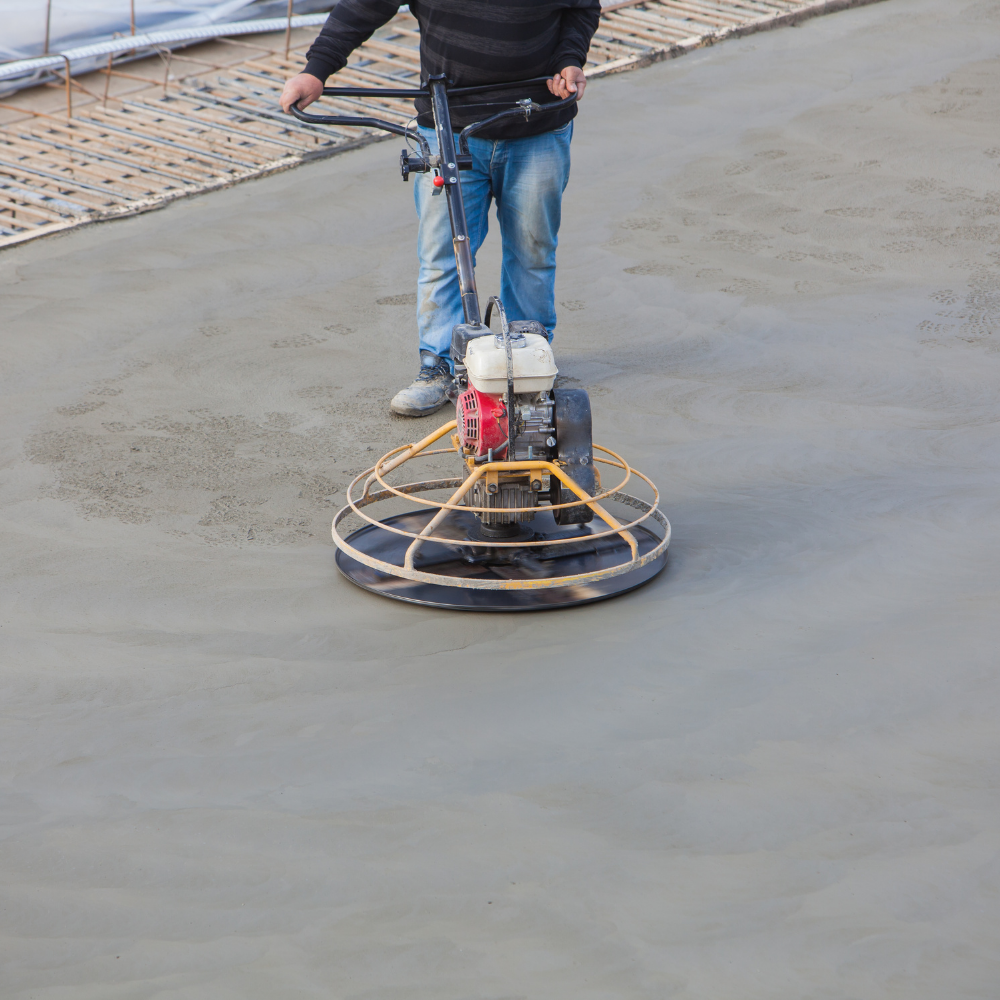
Slab Foundations with Clean Edges and Confident Support
On the north side of McKinney, a commercial building owner recently called us in a panic. Fresh concrete had been poured for a new warehouse, but within months, hairline cracks traced the floors and the edges were already chipping. The problem wasn’t the weight of the building. It was the foundation prep and sloppy edges that invited moisture, movement, and long-term damage.
Across North Texas, where expansive clay soils and rapid development collide, the quality of your slab foundation can make or break the long-term value of your property. The Dallas–Fort Worth area has some of the most active soils in the country, and poorly designed or installed slabs are a leading cause of costly Foundation Repair and downtime for businesses.
In this guide, we’ll walk through what “clean edges and confident support” really mean for your slab, how site prep and grading protect your investment, and how features like Retaining Walls, Patio Installation, and well-designed Driveways and access areas tie into a complete, durable concrete package for your McKinney property.
Key Insight: A slab foundation doesn’t fail overnight—it fails in stages. Careful design, grading, and edge detail at the start are what keep your building level, safe, and attractive for decades.
What “Clean Edges and Confident Support” Really Mean for Your Slab
“Clean edges” are about more than appearance. They signal that the crew took time to form, reinforce, and finish your slab correctly. In McKinney’s climate, those details affect how well your slab sheds water, resists chipping and spalling, and transitions to surrounding surfaces like Sidewalks and parking areas.
Confident support means the slab is:
- Designed for the loads it will carry (equipment, shelving, vehicles)
- Supported by properly compacted subgrade and base
- Reinforced and jointed to control cracking
- Protected from water through smart drainage and Foundation Grading
“Concrete doesn’t forgive shortcuts. The ground preparation and edge details you don’t see are exactly what keep the slab performing.” — Senior Project Manager, TopCore Concrete
A McKinney Warehouse Case Study
A light industrial client near the McKinney National Airport needed a slab for a new 12,000 sq. ft. warehouse. They had two main concerns:
- Support for pallet racking and forklifts
- Clean, durable edges at overhead doors and along the truck apron
We:
- Performed detailed Site Preparation and compaction testing
- Designed thicker edge beams at dock doors and high-traffic areas
- Used keyways and dowels at transitions to the future Parking Lots and loading zones
- Finished edges with steel trowels and chamfers to resist impact and chipping
Two years later, the slab is still level, the edges are intact, and the owner has had zero service calls related to the foundation.
Building a Strong Foundation: From Dirt Work to Finished Slab
A great slab foundation starts long before the concrete truck pulls up. In North Texas soils, the hidden work—grading, moisture conditioning, and compaction—often determines whether your slab will stay level or start moving.
Why Site Preparation Is Critical in McKinney
The clay in and around McKinney expands when it’s wet and shrinks when it’s dry. That means:
- Uneven moisture = uneven movement
- Poor grading = water pooling near your building
- Inadequate compaction = settlement and cracks
Proper Land Grading Services and subgrade prep should include:
- Stripping organic material and soft spots
- Moisture conditioning the soil
- Compacting in thin lifts to meet engineering specs
- Installing a stable base (often crushed stone) under the slab
“Skipping subgrade testing is like skipping the inspection on a used car—you might save a little now, but you’re gambling with a big-ticket item.” — Local Geotechnical Engineer
Real Example: Office Build-Out off US-75
A professional office building near US-75 needed a new Concrete Foundations slab for an expansion. The site had been previously graded, but no one had checked compaction.
TopCore Concrete:
- Performed proof-rolling to identify soft areas
- Reworked and compacted the subgrade
- Placed a crushed stone base for drainage and stability
- Poured a steel-reinforced Concrete Slab Installation with control joints aligned to the building layout
As a result, the tenant moved in with level floors that easily passed inspection, and the property owner avoided the risk of costly Foundation Leveling down the road.
Edge Details, Drainage, and Surrounding Concrete: The Whole-System View
A slab doesn’t exist in isolation. How it meets your Driveways, Sidewalks, parking areas, and landscaping makes a big difference in both performance and aesthetics.
Edges and Transitions That Protect Your Investment
Clean, properly designed slab edges:
- Reduce trip hazards at doorways and sidewalk transitions
- Direct water away from the building
- Protect against chipping from carts, vehicles, and forklifts
- Tie seamlessly into Concrete Walkways, curbs, and steps
We often integrate:
- Concrete Curb Installation along parking areas
- Concrete Steps Installation at entries
- Thickened edges where vehicles or equipment cross
Comparison: Basic vs. Integrated Edge Design
| Feature | Basic Slab Only Approach | Integrated Edge & Drainage Approach |
|---|---|---|
| Edge Thickness | Same as interior everywhere | Thickened at doors, loading, and traffic |
| Transitions to Walkways/Drives | Simple butt joint, no dowels | Doweled, aligned joints, smooth transitions |
| Drainage Planning | Minimal slope, no overall plan | Coordinated with grading and surface drains |
| Long-Term Performance in McKinney | Higher risk of cracking and settlement | Better control of movement and water |
| Typical Cost Impact | Lower upfront, higher repair risk | Slightly higher upfront, lower lifecycle cost |
Local Example: Retail Entry in Stonebridge Area
A retail center in the Stonebridge area had repeated issues at its storefront entry. The slab and adjacent Concrete Sidewalk Installation weren’t properly aligned or doweled, and water from the parking lot flowed directly toward the doors.
TopCore Concrete:
- Removed failing sections at the entry
- Re-poured the slab edge with thicker reinforcement
- Regraded and replaced the sidewalk with proper slope
- Added a curb and gutter section to redirect water
The result was a clean, level entry that improved both safety and curb appeal, and significantly reduced water intrusion during storms.
Retaining Walls, Grading, and Drainage: Stabilizing Slabs on Challenging Lots
Many commercial properties in McKinney sit on sloped or uneven terrain. That’s where smart grading and Retaining Walls become critical partners to your slab foundation.
How Retaining Walls Support Slab Performance
A properly engineered retaining wall system:
- Holds back soil and prevents erosion near your foundation
- Creates level building pads on sloped lots
- Controls how water moves across your site
- Protects drive lanes, Gravel Driveway sections, and parking areas from washouts
For a small industrial site off SH-5, the natural grade dropped sharply behind the building pad. Without a wall, the rear slab edge would have been exposed and vulnerable to erosion.
We installed a tiered retaining wall system with:
- Proper drainage aggregate and weep holes
- Geogrid reinforcement in higher sections
- Integrated swales directing water away from the slab
Now the building sits on a stable, well-drained pad, and the owner doesn’t worry every time a North Texas thunderstorm rolls through.
“Think of retaining walls as structural insurance for your site. They keep the ground where it belongs, so your slab can do its job.” — TopCore Concrete Design Team
Foundation Grading: The Unsung Hero
Thoughtful Foundation Grading ensures:
- Positive slope away from the building on all sides
- No low spots where water can collect
- Smooth transitions to Parking Lots, drives, and landscaping
We often see properties where the slab itself is sound, but poor grading leads to standing water, mud, and long-term moisture issues at the foundation. Correcting the grading and adding concrete or asphalt surfaces in key areas dramatically improves both performance and usability.
Access, Parking, and Patios: Extending the Life of Your Slab with Smart Surroundings
Your slab foundation is the core, but the surfaces that surround it—Driveways, Parking Lot Paving, patios, and walkways—play a big role in how well your property functions and how it handles water and traffic.
Driveways and Parking Lots That Work With Your Slab
For commercial and industrial properties, we frequently design:
- Heavy-duty Concrete Driveway Installation for trucks and delivery vehicles
- Asphalt Parking Lots and drives where flexibility and lower initial cost make sense
- Hybrid solutions with concrete at high-stress points (entrances, dumpster pads, loading docks) and asphalt elsewhere
- Durable Parking Lot Striping and layout that improves traffic flow and safety
Here’s a quick comparison for McKinney businesses planning new access areas:
| Surface Type | Typical Use in McKinney | Pros | Considerations |
|---|---|---|---|
| Concrete | Truck lanes, dumpster pads, entries | High durability, low maintenance | Higher upfront cost |
| Asphalt | General Parking Lots & drives | Flexible, cost-effective, faster install | Needs periodic sealing and repairs |
| Gravel Driveway | Light industrial, overflow, rural sites | Lowest cost, good drainage | Dust, rutting, more frequent maintenance |
Patios and Outdoor Areas for Commercial Spaces
For restaurants, offices, and retail spaces, Concrete Patio Installation adds usable, revenue-generating square footage.
We’ve installed:
- Stamped Concrete Patios for restaurants along Virginia Parkway
- Simple, durable concrete seating areas for office buildings
- Patios tied directly into the main slab with proper joints and reinforcement
These spaces are not just cosmetic. Properly sloped patios and walkways help keep water away from door thresholds and foundation walls, reducing the risk of moisture intrusion and slab movement.
Maintenance, Repair, and Long-Term Protection for Concrete Slabs
Even the best-built slab foundation in McKinney will face stress from soil movement, temperature swings, and heavy use. The goal is to minimize damage and address issues early, before they become structural problems.
Smart Maintenance for Slab-Connected Surfaces
Regular inspection and maintenance of surrounding concrete and asphalt help protect the slab itself. We often recommend:
- Periodic Concrete Sealing to reduce moisture penetration
- Timely Concrete Repair of cracks and spalls at slab edges, sidewalks, and curbs
- Concrete Resurfacing for worn or pitted surfaces that are structurally sound
- Patch and seal work on Asphalt Driveways and lots before small issues worsen
A McKinney distribution facility near the Sam Rayburn Tollway had a solid main slab, but neglected loading dock aprons. Cracked, uneven concrete at the dock edges was transferring stress back to the building slab.
TopCore Concrete:
- Removed failing apron sections
- Re-poured with thicker, reinforced concrete
- Installed dowels to share load between slab and apron
- Sealed joints to keep water out
The repairs not only stopped further slab stress but also reduced equipment damage and trip hazards for workers.
When Foundation Leveling or Repair Is Needed
If you’re seeing:
- Doors sticking or misaligned
- Cracks in interior walls or floors
- Gaps between baseboards and flooring
It may be time to evaluate your slab for Foundation Leveling or repair. In some cases, the solution is as simple as improving grading and adding or repairing adjacent Concrete Flatwork, sidewalks, or drives that are directing water toward the building.
“Addressing surface and drainage issues early is often the cheapest form of foundation repair.” — Local Structural Engineer
What This Means for Businesses in McKinney, TX
McKinney’s rapid growth is a huge opportunity for property owners and businesses—but it also means more construction, more heavy traffic, and more pressure on infrastructure. In a market where land is valuable and building downtime is expensive, your slab foundation must be more than just “good enough.”
For local businesses, that translates into several key realities:
- Soil movement is a given. Our expansive clay soils will move with moisture changes. Your slab design, grading, and surrounding concrete need to anticipate that movement, not just react to it later with emergency Concrete Repair.
- Curb appeal matters. Clean slab edges, well-designed Sidewalks, and smooth Driveway Replacement or access areas help attract tenants and customers and reflect how you care for your property.
- Downtime is expensive. Every day your building is under repair is a day of lost revenue or productivity. Investing in proper Concrete Slab Installation, grading, and integrated site design up front reduces the risk of disruptive Driveway Repair, slab work, or parking lot shutdowns later.
- Local expertise pays off. Contractors who work daily with McKinney’s soils, codes, and weather patterns know how to detail slab edges, design drainage, and select materials that hold up in this specific environment.
Whether you’re planning a new facility, expanding an existing one, or addressing issues with an aging slab, treating your foundation as part of a complete site system—slab, grading, Sidewalks, drives, patios, and walls—will help you protect your investment and keep your property safe, functional, and attractive for years.
Frequently Asked Questions
Q: How thick should my commercial slab foundation be in McKinney?
A: Slab thickness depends on your building’s use and loads, but most commercial projects in McKinney fall in the 4″–6″ range for standard floors, with thicker edge beams and localized thickened areas under heavy equipment or columns. For warehouses, shops, or facilities with forklift traffic, we often recommend a reinforced 6″ slab with properly designed joints and subgrade prep. Just as important as thickness is the support underneath: properly compacted subgrade, base material, and drainage. A well-designed Concrete Foundations system accounts for soil conditions, expected loads, and how the slab ties into adjacent Driveways and Parking Lots.
Q: Do I really need foundation grading if my site already looks level?
A: Yes. “Looks level” and “drains correctly” are not the same thing. In McKinney, where intense storms are common, proper Foundation Grading ensures water flows away from your building on all sides. Even small low spots can collect water against slab edges, increasing the risk of movement and moisture problems. Professional Land Grading Services consider not just the building pad, but also how water moves from Parking Lots, Sidewalks, and landscaped areas. Correcting grading after construction is possible but more expensive than getting it right before the slab is poured.
Q: How do I choose between concrete and asphalt for my parking areas and drives?
A: It comes down to use, budget, and long-term plans. Concrete Driveway Installation and concrete truck lanes offer superior durability at entrances, loading docks, and high-stress areas. Asphalt Parking Lots and Asphalt Driveways can be more cost-effective initially and are common for general parking and lower-load traffic. Many McKinney properties use a hybrid approach: concrete at entrances, dumpster pads, and drive lanes, with asphalt for the main parking field. Consider traffic type, expected lifespan, and maintenance commitments. A local contractor can help you compare lifecycle costs and how each option will interact with your slab foundation and site drainage.
Q: What can I do about small cracks in my slab or surrounding concrete?
A: Some hairline cracking is normal as concrete cures and responds to minor movement, especially in North Texas soils. The key is to monitor whether cracks are widening, offset (one side higher than the other), or accompanied by doors sticking or visible settlement. Small, stable cracks in Concrete Flatwork, Sidewalks, or patios can often be addressed with targeted Concrete Repair or Concrete Resurfacing. For slab foundations, recurring or widening cracks may signal a need for professional evaluation and potential Foundation Repair or Foundation Leveling. Addressing drainage and grading issues at the same time is essential to prevent recurrence.
Q: Can I add a patio or outdoor space to an existing commercial slab without causing foundation issues?
A: Yes, if it’s designed thoughtfully. Adding a Concrete Patio Installation or Stamped Concrete Patios next to an existing building slab requires careful attention to joints, reinforcement, and slope. We typically separate the patio from the main slab with a control joint or expansion joint while ensuring consistent support and compatible elevations at door thresholds. Proper slope away from the building is critical to keep water from collecting at the slab edge. Integrating the new patio with existing Concrete Walkways and Sidewalks also helps maintain safe, smooth transitions for customers and staff.
Q: How often should my concrete and asphalt surfaces be sealed in McKinney?
A: For most commercial properties, concrete surfaces benefit from Concrete Sealing every 3–5 years, depending on exposure to traffic, chemicals, and weather. Sealing reduces moisture penetration, helps resist staining, and can extend the life of your Concrete Flatwork, patios, and walks. Asphalt surfaces typically require sealing more often—every 2–3 years—to protect against oxidation and water intrusion. Keeping joints, cracks, and edges sealed around your slab, Driveways, and Parking Lot Paving is especially important in North Texas to prevent water from reaching and weakening the subgrade.
Q: Our property is older and has mismatched concrete and patchwork repairs. Is it worth starting over?
A: In many cases, yes. Properties with decades of piecemeal Driveway Repair, sidewalk patches, and ad-hoc Concrete Repair often suffer from poor drainage, trip hazards, and ongoing maintenance costs. A comprehensive plan that evaluates your slab foundation, Sidewalks, Parking Lots, and grading can identify where Driveway Replacement, new Concrete Sidewalk Installation, or full-depth reconstruction will pay off. While the upfront investment is higher, the long-term benefits—improved safety, reduced liability, better curb appeal, and fewer emergency repairs—are significant, especially in a competitive market like McKinney.
Ready to Get Started?
North Texas weather and soils won’t wait for the “perfect time” to stress-test your slab foundation. Every season brings new cycles of moisture, heat, and load that can either validate a well-built system—or expose its weak points.
If you’re planning new construction, an expansion, or major site improvements, now is the moment to bring in a team that understands how Concrete Slab Installation, Foundation Grading, Driveways, Sidewalks, and Parking Lots all work together on a McKinney property. For existing buildings, early attention to cracks, drainage, and worn surfaces can prevent small issues from becoming structural headaches.
TopCore Concrete can walk your site, review your goals, and provide a clear, practical plan—whether that means a new slab foundation with clean, durable edges, strategic Concrete Repair, or a full refresh of your access and outdoor areas. We focus on solutions that balance performance, appearance, and budget, all tailored to local conditions.
Take the next step toward a foundation you can trust. Schedule a consultation, ask your toughest questions, and get a straightforward assessment of your options.
About TopCore Concrete
TopCore Concrete is a locally focused concrete contractor serving McKinney, TX and the surrounding North Texas communities. Our team brings years of hands-on experience with commercial Concrete Foundations, Parking Lots, Driveways, Sidewalks, patios, and site grading in our region’s challenging soils. From new Concrete Slab Installation to precision Concrete Repair and Concrete Resurfacing, we focus on durable, code-compliant work that stands up to North Texas weather and heavy use. Learn more about our services and approach at TopCore Concrete.