
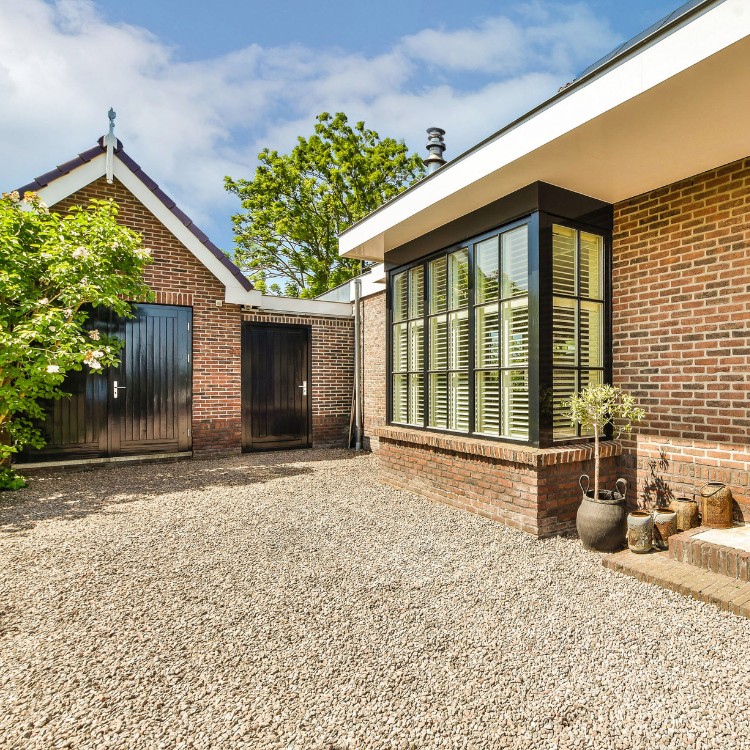
Gravel Driveway Upgrades: Compact Fit for Everyday Driving
North Texas drivers know the feeling: one big rainstorm in McKinney and suddenly your gravel driveway turns into ruts, soft spots, and loose rock migrating into the street. For homeowners and small property owners, that’s more than an eyesore—it can be hard on tires, suspension, and even property values.
Across Collin County, more people are choosing upgraded gravel driveways as a cost-effective alternative to full concrete or asphalt. With proper design, base prep, and compaction, a gravel drive can handle daily traffic, stand up to Texas weather, and look clean and intentional instead of “temporary.”
This guide walks through how to turn a basic gravel drive into a compact, reliable surface that works for everyday use. You’ll learn how base preparation, grading, edging, and material choices affect performance; when to pair gravel with concrete features like Concrete Foundations or Concrete Sidewalk Installation; and what McKinney property owners can expect for costs, maintenance, and long-term value.
Key Insight: A well-designed gravel driveway is not “just rock”—it’s a small engineered system. When it’s graded, compacted, and contained correctly, it becomes a durable, everyday driving surface that can rival more expensive options for many properties.
Why “Compact Fit” Matters for Everyday Gravel Driveways
A gravel driveway that looks fine on day one can quickly become a problem if it isn’t compacted and supported correctly. In McKinney’s expansive clay soils, seasonal moisture changes cause the ground to swell and shrink, which can turn a loosely built drive into a washboard.
Compaction is what transforms loose aggregate into a stable surface. When the base and top layers are properly compressed, the rock interlocks, shedding water instead of trapping it. That’s crucial in North Texas, where a single heavy storm can drop several inches of rain in a few hours.
One recent project near Craig Ranch illustrates the difference. The homeowner had a wide, rutted gravel strip that had been “refreshed” every year with new rock. Trucks and delivery vans sank in soft spots, and the driveway tracked mud into the street after storms. Our crew stripped the failing surface, re-shaped the subgrade, compacted a new base, and installed a smaller, well-graded aggregate on top. With proper compaction and drainage, the same driveway now handles daily SUV and pickup traffic without rutting.
“Compaction is the difference between a gravel driveway you fight with every season and a surface you barely think about.” — TopCore Concrete Field Supervisor
A compact fit also improves:
- Tire traction and comfort
- Appearance (less scattered rock)
- Long-term maintenance costs
From here, the next step is understanding how grading and drainage support that compacted structure.
Grading and Drainage: The Hidden Foundation of a Solid Gravel Drive
Even the best gravel will fail if water has nowhere to go. In McKinney, where heavy downpours and flat lots are common, smart Land Grading Services are just as important for driveways as they are for homes.
Proper driveway grading accomplishes three things:
- Creates a slight crown or cross-slope so water sheds off the driving surface
- Directs runoff away from your home’s Concrete Slab Installation and landscaping
- Prevents water from pooling in low spots that turn into potholes and mushy areas
On a property off US-380, a long gravel lane was constantly washing out where it dipped near a culvert. Our team re-graded the approach with a gentle slope, built up the low area with compacted base, and tied in shallow swales to guide water into a ditch—away from the driveway and the home’s concrete foundation. After one storm season, the owner reported zero washouts where they used to have repairs after almost every major rain.
Grading also protects your house. Poor driveway drainage can send water toward the structure, contributing to the foundation movement that leads to Foundation Repair and Foundation Leveling costs. A properly sloped gravel drive becomes part of your overall site drainage strategy.
To support compaction and drainage together, a typical upgrade may include:
- Subgrade shaping and compaction
- Installation of a compacted base layer
- Surface gravel selected for local soil and traffic
- Optional concrete features (aprons, swales, or curbs) where needed
This blend of grading and structure is where gravel starts to perform more like a permanent surface.
Choosing the Right Gravel and Edging for a Compact, Clean Look
Not all gravel is created equal, especially for everyday driving. The size, shape, and mix of rock affect how well it compacts, how it feels under tires, and how much of it ends up scattered into your yard or street.
For McKinney-area driveways, we often recommend:
- A compactable base material (like crushed limestone or flex base)
- A smaller, angular top layer that “locks” together
- Avoiding round river rock on driving surfaces—it tends to roll and shift
A homeowner near Downtown McKinney wanted a country-style aesthetic without the headache of loose rock everywhere. We installed a compacted flex base and topped it with a smaller crushed stone. To keep the edges crisp, we added a short band of Concrete Walkways along the front entry and a short concrete apron at the street tie-in. The result is a driveway that looks neat, supports daily traffic, and transitions cleanly into the sidewalk and front porch.
Edging is where gravel driveways often fail visually. Without containment, traffic and rain slowly push stone outward. Simple upgrades can make a big difference:
- Concrete curbs or low Retaining Walls along one or both sides
- Steel or stone edging for shorter residential drives
- Concrete bands at garage doors to protect slab edges
“Good gravel is only as good as the edges that hold it. Containment is what keeps a driveway looking like a driveway instead of a rock pile.” — TopCore Concrete Project Manager
These details also make snow and debris removal easier and keep your gravel from migrating into neighboring yards or public sidewalks.
Integrating Gravel with Concrete for High-Traffic and Mixed-Use Areas
For many McKinney properties—especially small businesses, acreage homes, or hobby farms—the best solution isn’t all gravel or all concrete. It’s a hybrid.
Gravel can handle the lower-traffic stretches cost-effectively, while concrete takes on the high-stress zones:
- Approaches to garages and shop doors
- Turnaround areas and parking pads
- Steep slopes or tight curves
- Transitions near public Sidewalks and streets
On a property north of McKinney, a client needed a long driveway to reach a new metal building but didn’t want to pour concrete the entire length. We installed a durable gravel lane with a compacted base, then added a reinforced Concrete Driveway Installation pad in front of the shop and house garage. The concrete area handles turning, jacking trailers, and heavy loads, while the gravel section provides affordable access over several hundred feet.
This hybrid approach often pairs well with:
- Parking Lots that use concrete for main aisles and gravel for overflow
- Concrete Patio Installation at the house with gravel drives feeding into it
- Low Retaining Walls and steps to deal with elevation changes
Here’s a simple comparison of three common options for McKinney properties:
| Surface Type | Typical Use in McKinney | Upfront Cost (Relative) | Maintenance | Best For |
|---|---|---|---|---|
| Upgraded Gravel Driveway | Long drives, acreage, rural homes | $ (Lowest) | Moderate | Cost-conscious owners with longer access |
| Hybrid Gravel + Concrete | Mixed-use, shops, small businesses | $$ | Low-Med | High-traffic zones + longer runs |
| Full Concrete Driveway | Suburban homes, short drives | $$$ (Highest) | Low | Shorter drives, premium curb appeal |
By strategically combining materials, you can keep budget under control while still getting the durability and clean look you need where it matters most.
Commercial and Small-Business Uses: Gravel That Works Like Infrastructure
Upgraded gravel isn’t just for homes. In and around McKinney, many small businesses, churches, and light industrial properties rely on gravel for access roads, equipment yards, and overflow Parking Lots. When these areas are built like proper infrastructure instead of temporary fill, they can support daily operations reliably.
For a landscape contractor off Highway 5, we rebuilt a failing yard where trucks and trailers constantly bogged down after rain. The solution included:
- Stripping soft, organic material
- Re-compacting the subgrade
- Installing a thick, compacted base layer
- Topping with durable aggregate
- Adding concrete aprons at the street and building entrances
The owner reported that what used to be a muddy mess for days after a storm became usable within hours, cutting downtime and equipment wear.
Commercial properties often combine upgraded gravel with:
- Asphalt Parking Lots or Parking Lot Paving for customer areas
- Parking Lot Striping to organize concrete or asphalt sections
- Concrete Curb Installation and Concrete Steps Installation for safe pedestrian access
For many operators, the goal is not a perfect showroom lot everywhere. It’s a functional, safe, and presentable property where customers and crews can move reliably. A compact, well-graded gravel system paired with strategic concrete work often delivers that balance at a fraction of the cost of paving everything.
Cost, Maintenance, and Longevity: What McKinney Owners Can Expect
Upgrading a gravel driveway is an investment, but it’s usually far less than a full concrete or asphalt replacement. The real value shows up over several years, in reduced repairs and a more usable surface.
Typical cost drivers include:
- Length and width of the driveway
- Existing soil conditions and drainage issues
- Thickness of base and surface layers
- Added features like concrete aprons, curbs, or Retaining Walls
To help frame expectations, consider this simplified comparison for a typical 80–100 ft residential driveway in the McKinney area:
| Option | Relative Upfront Cost | Expected Lifespan | Typical Maintenance Needs |
|---|---|---|---|
| Basic “dump and spread” gravel | $ (Lowest) | 1–3 years before major work | Frequent regrading, annual rock add-ons |
| Engineered, compacted gravel upgrade | $$ | 7–12+ years with care | Occasional touch-up, minor regrading |
| Full Driveway Replacement (concrete) | $$$ (Highest) | 20–30+ years with care | Crack sealing, joint maintenance |
\Lifespan depends heavily on traffic, soil, and drainage.
Maintenance for an upgraded gravel driveway typically includes:
- Periodic filling of any small depressions
- Re-compacting high-traffic areas when needed
- Keeping ditches and swales clear for good drainage
- Optional Concrete Sealing and care for any connected concrete features
A McKinney homeowner off Eldorado Pkwy who upgraded their gravel drive with a compacted base and proper drainage reported that, after three years, they’d only needed minor touch-ups instead of the annual “new rock” routine they were used to.
“Spending a bit more up front on structure and grading usually pays you back within a few seasons in reduced maintenance.” — TopCore Concrete Estimator
What This Means for Properties in McKinney, TX
McKinney’s rapid growth has brought more traffic onto residential streets and rural roads alike. That extra movement exposes weak driveways quickly—especially where older gravel installations were never built to handle daily SUVs, delivery vans, and service trucks.
Local conditions make upgraded gravel particularly relevant:
- Expansive clay soils that shift with moisture
- Occasional heavy storms that test drainage
- Mix of suburban neighborhoods, ranchettes, and light commercial sites
For suburban homeowners, a compact, well-edged gravel drive can be a smart alternative to full concrete when the driveway is long, the property has a more rural aesthetic, or budget is a concern. Combining a gravel drive with a concrete front approach, Stamped Concrete Patios, and clean Concrete Sidewalk Installation can give you the curb appeal you want where it counts most.
For acreage and small business properties around McKinney, upgraded gravel is often the only realistic way to cover long distances or large yards without overspending. Treated as an engineered system—graded, compacted, and contained—it can function much like a permanent surface, especially when paired with concrete in high-impact zones.
Because TopCore Concrete also handles Slab Foundations, Site Preparation, and full Concrete Driveway Installation, we’re able to look at your entire site as one integrated system. That means your driveway, drainage, patios, and foundation all work together—rather than fighting each other when the weather turns.
The takeaway for McKinney property owners: a gravel driveway doesn’t have to be the weak link. With the right upgrades, it can be a compact, reliable fit for everyday driving and a strong part of your overall property plan.
Frequently Asked Questions
Q: How do I know if my gravel driveway needs a full rebuild or just resurfacing?
A: Start by looking at what’s happening beneath the surface. If you see deep ruts that come back quickly after grading, standing water in multiple areas, or spots where vehicles sink even in dry weather, the base is likely failing. In those cases, simply adding more rock won’t fix the problem for long. A full rebuild usually involves re-shaping the subgrade, adding and compacting a proper base, then installing a new surface layer. If your driveway mainly has shallow washboarding or scattered rock but the base feels firm underfoot, a resurfacing and re-compaction may be enough. A local contractor who handles Foundation Grading and Gravel Driveway work can help you determine the most cost-effective option.
Q: Will an upgraded gravel driveway track less rock and dust into my garage and street?
A: Yes, when it’s designed correctly. A well-compacted gravel drive with the right top layer will shed less loose rock and create less dust than a loosely spread surface. Using smaller, angular aggregate on top helps the material lock together instead of rolling under tires. Installing a short concrete apron at the garage or street transition—similar to what’s used in Concrete Driveway Installation—also reduces the amount of gravel that migrates off the driveway. In McKinney’s dry summer months, a properly compacted surface is especially important for dust control, and good drainage keeps fine particles from washing away in heavy rains.
Q: Can I upgrade part of my gravel driveway now and finish the rest later?
A: Absolutely. Many McKinney homeowners and business owners phase their improvements over time. A common strategy is to start with the worst-performing section—often near the house, shop, or street—and rebuild that area with proper grading and compaction. You can also prioritize high-traffic zones and install concrete aprons, similar to a partial Driveway Replacement, while leaving the remainder as improved gravel. As long as transitions are handled correctly, phasing the work won’t hurt performance and lets you spread costs over multiple seasons. A contractor experienced in both gravel systems and Concrete Flatwork can help you plan a logical sequence.
Q: How does an upgraded gravel driveway compare to asphalt for my property?
A: For shorter suburban drives in McKinney, Asphalt Driveways can be a good middle ground between gravel and concrete. However, for longer rural or semi-rural properties, an engineered gravel system is often more cost-effective and easier to repair. Asphalt requires a stable base similar to gravel, along with periodic sealing and crack repair. If heavy trucks or equipment use your drive, deep rutting in the base will damage asphalt quickly. A well-built gravel drive can be re-graded and reinforced as needed with less disruption. For many owners, the best approach is asphalt or concrete near structures and street access, with upgraded gravel for longer runs and secondary access roads.
Q: Will driveway drainage affect my home’s foundation in McKinney’s clay soils?
A: Yes, driveway drainage can absolutely impact your foundation over time. In North Texas, water pooling near your home encourages the clay soils to expand and contract more dramatically, which can lead to uneven movement and the need for Foundation Repair. If a gravel driveway slopes toward the house or channels runoff along the foundation wall, it can worsen these issues. Proper Site Preparation and grading ensure that your driveway sheds water away from the structure, often with shallow swales or ditches. When we design or upgrade gravel drives, we look at house elevation, downspouts, and yard contours to make sure the driveway improves overall drainage rather than compromising it.
Q: How often will I need maintenance on an upgraded gravel driveway?
A: With a properly compacted base and good drainage, most McKinney homeowners find that maintenance drops significantly compared to a basic gravel drive. You may need minor touch-ups every 1–3 years, depending on traffic and weather—things like filling small depressions, pulling rock back from the edges, and ensuring ditches stay clear. Unlike full Concrete Resurfacing or Concrete Repair, gravel maintenance is usually quick and relatively inexpensive. For commercial or heavy-use properties, scheduling periodic grading and inspection, similar to how you maintain Parking Lot Paving, helps keep the surface performing well and prevents small issues from becoming major base failures.
Q: Can you match a gravel driveway upgrade to existing patios, walkways, or steps?
A: Yes, and doing so often improves both appearance and function. Many McKinney homes already have concrete elements like Concrete Patio Installation, Concrete Sidewalks, or Concrete Steps Installation. When we upgrade a gravel driveway, we look at these features to create clean transitions and consistent elevations. That might mean adding a concrete band at the garage, matching finishes near a stamped concrete patio, or adjusting driveway grading to tie into existing walkways. The goal is for the gravel drive to feel like an intentional part of the property design, not an afterthought.
Ready to Get Started?
McKinney’s growth isn’t slowing down, and neither is the wear and tear on local driveways. If your gravel surface is rutted, muddy after rain, or constantly swallowing new rock, this is an ideal time to upgrade before another storm season sets in. Addressing grading, base, and compaction now can prevent bigger issues later—both in your driveway and around your home’s foundation.
TopCore Concrete designs and installs gravel driveway systems that are built for real-world, everyday use. From Land Grading Services and Gravel Driveway construction to integrated Concrete Driveway Installation, Patio Installation, and Sidewalks, we look at your entire site to create a solution that fits how you actually use your property.
Schedule a site visit to review your current driveway, discuss options, and get a clear, written plan. Whether you need a full rebuild, a hybrid gravel-and-concrete solution, or phased improvements, our team can help you turn a problem driveway into a compact, reliable asset.
About TopCore Concrete
TopCore Concrete is a locally focused concrete and sitework contractor serving McKinney, TX and surrounding communities. Our team specializes in Concrete Foundations, Driveways, Parking Lots, Patio Installation, and Gravel Driveway systems, with a strong emphasis on proper grading and long-term performance in North Texas soils. Homeowners, builders, and business owners trust us for straightforward advice, detailed site prep, and work that stands up to McKinney’s weather and growth.